
Unlocking the Secrets of Propagation: A Guide to Growing Fragrant Agrimony
Fragrant agrimony (Agrimonia procera), with its delicate yellow flowers and alluring scent, is a charming addition to any garden. Whether you’re drawn to its medicinal properties or simply its understated beauty, knowing how to propagate fragrant agrimony can provide you with a sustainable source of this delightful plant.
While fragrant agrimony isn’t as widely recognized as some of its horticultural counterparts, don’t let its understated elegance fool you. It’s surprisingly easy to propagate, offering both beginner and experienced gardeners the satisfaction of cultivating new plants. Let’s delve into the two primary methods:
1. Seed Propagation: A Journey of Patience and Reward:
Propagating fragrant agrimony from seed is an exercise in patience, mimicking the plant’s natural life cycle. Here’s a step-by-step guide:
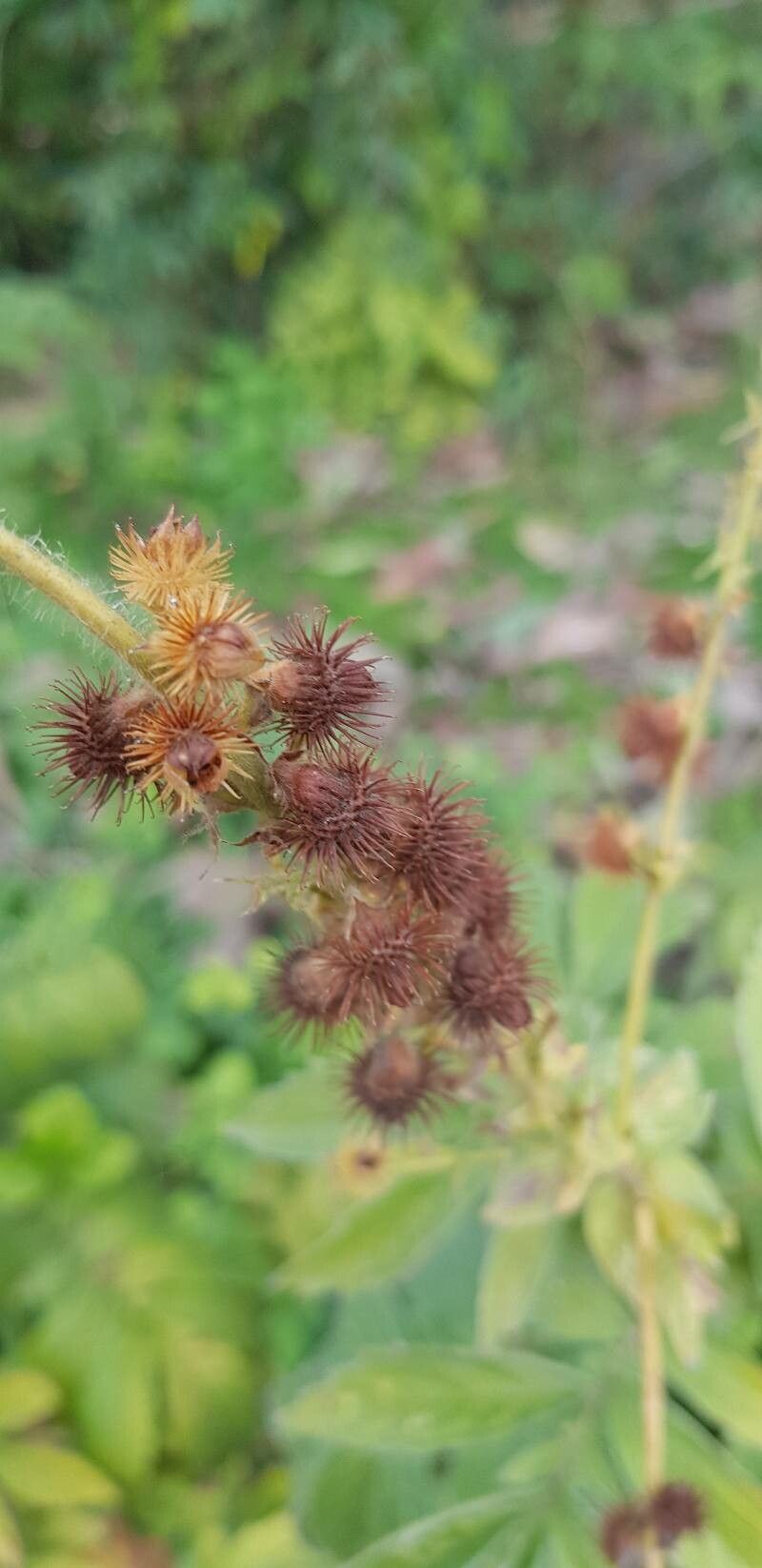
- Seed Collection: In late summer or early fall, look for the distinctive spiky seed heads, which turn brown upon maturity. Gently rub these heads between your fingers to release the seeds.
- Stratification: Fragrant agrimony seeds benefit from a period of cold stratification, mimicking the natural winter conditions they need to germinate. You can achieve this by storing the seeds in a moist paper towel inside a sealed plastic bag in your refrigerator for 8-12 weeks.
- Sowing: In spring, once the danger of frost has passed, sow the stratified seeds in seed trays or pots filled with well-draining seed-starting mix. Lightly press the seeds into the surface and cover them with a thin layer of soil.
- Patience is Key: Keep the soil consistently moist but not waterlogged. Germination can be slow, taking anywhere from a few weeks to a couple of months.
- Transplanting: Once the seedlings have developed a few sets of true leaves, they are ready to be transplanted outdoors into their permanent location. Choose a spot with well-draining soil and partial shade to full sun.
2. Root Cuttings: A Faster Path to New Plants:
For a quicker propagation method, root cuttings are an excellent option, allowing you to create clones of your existing fragrant agrimony plant. Here’s how:
- Timing is Everything: The optimal time for taking root cuttings is in late fall or early spring when the plant is dormant.
- Take the Cuttings: Carefully dig around the base of a healthy, established fragrant agrimony plant. Using a sharp, clean knife or pair of shears, take cuttings of the thicker roots, each about 2-3 inches long.
- Potting Up: Plant the root cuttings horizontally in a tray or individual pots filled with a well-draining potting mix. Position them about an inch below the soil surface.
- Nurturing Growth: Water the cuttings gently and place them in a sheltered location with indirect light. New growth should emerge from the soil within a couple of weeks.
- Transplanting: Once the cuttings have established a good root system and show significant top growth, they can be transplanted into their permanent positions in the garden.
Reaping the Rewards:
Regardless of your chosen propagation method, the rewards of growing fragrant agrimony are plentiful. This resilient plant, once established, requires minimal care and will grace your garden with its charm for years to come. Its delicate yellow blooms attract beneficial pollinators, while its aromatic leaves and flowers can be harvested for use in teas and tinctures known for their soothing properties.
So, embrace the art of propagation and unlock the potential of fragrant agrimony. With a little patience and care, you’ll be well on your way to cultivating a thriving patch of this understated beauty.