
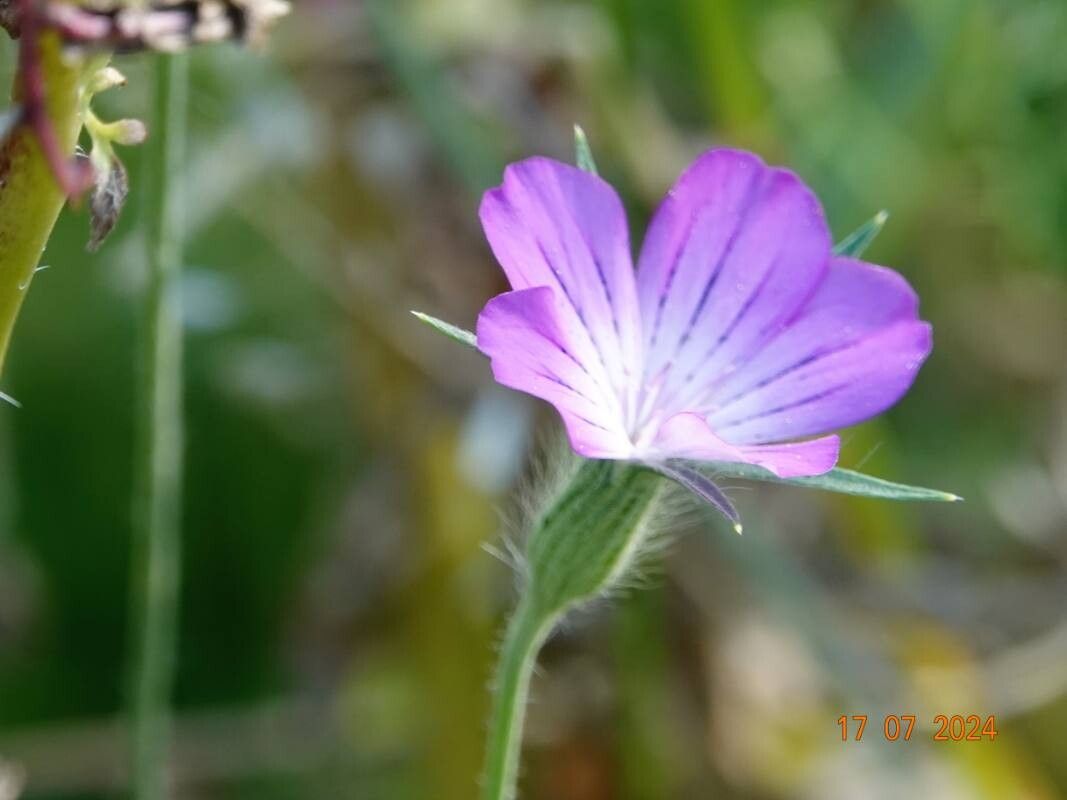
Charming Corncockle: Sowing the Seeds of Success with Agrostemma Githago
The Corncockle, scientifically known as Agrostemma githago, might sound like a character from a Harry Potter novel, but it’s actually a strikingly beautiful flower with a rich history. Once a common sight in grain fields, this elegant annual, sadly, is now considered endangered in its native habitat. But don’t despair! With a bit of knowledge and a touch of green magic, you can cultivate these beauties in your own garden.
Propagating the Past: Sowing for a Stunning Future
The most common and efficient way to propagate Corncockle is through seeds. These charming flowers have a relatively short life cycle, going from seed to bloom within a single growing season. This makes them ideal for beginner gardeners or those seeking a touch of effortless beauty in their landscapes.
Timing is Everything:
- For an early start: Sow Corncockle seeds indoors approximately 6-8 weeks before your last expected frost. This gives them a head start and allows for earlier blooms.
- Direct sowing: For a more natural approach, seeds can be directly sown outdoors after the last frost, when the soil is workable.
Sowing the Seeds of Success:
- Soil Selection: Corncockle thrives in well-drained soil, tolerating a range of pH levels. However, they prefer slightly alkaline soils for optimal growth.
- Sowing Depth: Whether indoors or outdoors, sow your seeds about ¼ inch deep, ensuring good contact with the soil.
- Sunlight is Key: Choose a location with full sun exposure (at least 6 hours of direct sunlight) for your Corncockle to flourish.
- Water Wisely: Keep the soil consistently moist but not waterlogged, especially during germination.
- Thinning Out: If seedlings are sown too close together, thin them out to 6-12 inches apart to ensure proper air circulation and prevent overcrowding.
Enjoying the Fruits of Your Labor:
Corncockle typically blooms from late spring to mid-summer, gracing your garden with enchanting pink to purple blossoms. Their unique seed pods are equally captivating and add a touch of whimsy to dried flower arrangements.
Beware the Siren Song of Beauty:
While visually captivating, it’s important to note that all parts of the Agrostemma githago are toxic if ingested. Handle with care, especially around children and pets.
A Legacy Worth Preserving:
Cultivating Agrostemma githago isn’t just about adding beauty to your garden; it’s about preserving a piece of natural history. By incorporating these vibrant blooms into your landscape, you are playing a small but valuable role in ensuring the Corncockle’s continued existence for generations to come.
So why wait? Embrace the allure of the Corncockle, and let these enchanting flowers paint your garden with history and charm, one delicate blossom at a time.