
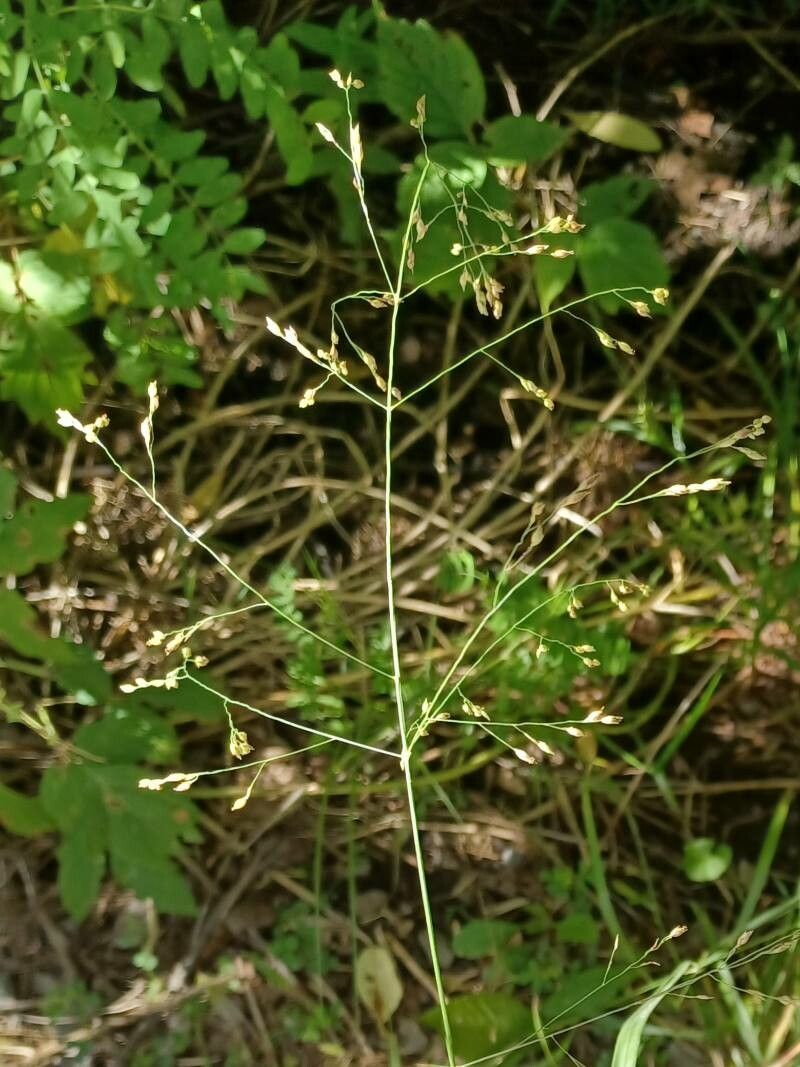
Taming the Wind: Propagating Ticklegrass (Agrostis scabra)
Ticklegrass, or Agrostis scabra, is a graceful, versatile grass known for its delicate beauty and ability to thrive in challenging conditions. This North American native boasts airy plumes of purple-tinged flowers that dance in the breeze, adding a touch of wild elegance to gardens and naturalized areas. If you’re interested in inviting this hardy and charming grass into your own outdoor space, propagation is surprisingly achievable. Let’s explore the two primary ways to spread the ticklegrass love:
1. Seeding: Dancing with the Wind
Ticklegrass has a bit of a whimsical side, readily self-seeding in the wild thanks to its wind-dispersed seeds. This natural method can be replicated in a controlled way for backyard propagation. Here’s the breakdown:
- Timing is Everything: Aim to sow seeds in early spring or late fall when the soil is cool and moist, mimicking its natural cycle.
- Preparation is Key: Choose a sunny or partially shaded location with well-drained soil. Loosening the soil and removing competing weeds will give the seeds a fighting chance.
- Gently Does It: Sprinkle the seeds thinly over the prepared area, lightly raking them into the top layer of soil. Ticklegrass seeds are small, so avoid burying them too deep.
- Patience, Young Padawan: Keep the soil consistently moist but not waterlogged until the seeds germinate, which can take anywhere from 1 to 3 weeks depending on conditions. Remember, patience is a virtue in the garden!
2. Division: Sharing is Caring
For a head start and quicker results, dividing established ticklegrass clumps is an excellent strategy. This method capitalizes on the plant’s natural tendency to spread and creates new plants ready to flourish. Here’s how it’s done:
- The Right Time & Tools: Divide ticklegrass in early spring or fall when the plant is dormant or just beginning new growth. You’ll need a sharp spade or garden knife for a clean cut.
- Digging Deep: Carefully dig around the perimeter of the clump you wish to divide, loosening the soil and roots.
- Gentle Separation: Lift the entire clump from the ground and gently tease apart sections of the root mass, ensuring each division has a good portion of roots and shoots attached.
- New Beginnings: Replant the divisions at the same depth they were previously growing, ensuring to space them adequately for healthy growth. Water deeply and keep the soil consistently moist as the transplants establish themselves.
Why Choose Ticklegrass?
Besides its ease of propagation, ticklegrass boasts several attractive attributes for gardeners and nature enthusiasts alike:
- Low Maintenance: This hardy plant thrives in a variety of soil types and moisture levels, tolerating drought and poor soil conditions.
- Erosion Control: The fibrous root system makes ticklegrass excellent for stabilizing slopes and preventing erosion.
- Wildlife Appeal: Birds are particularly fond of ticklegrass seeds, making it a welcome addition to wildlife gardens.
Whether you choose to propagate through seed or division, ticklegrass offers a rewarding and relatively simple way to incorporate a touch of wild beauty and resilience into your outdoor space. So go ahead, give ticklegrass a try – you might just find yourself tickled with the results!