
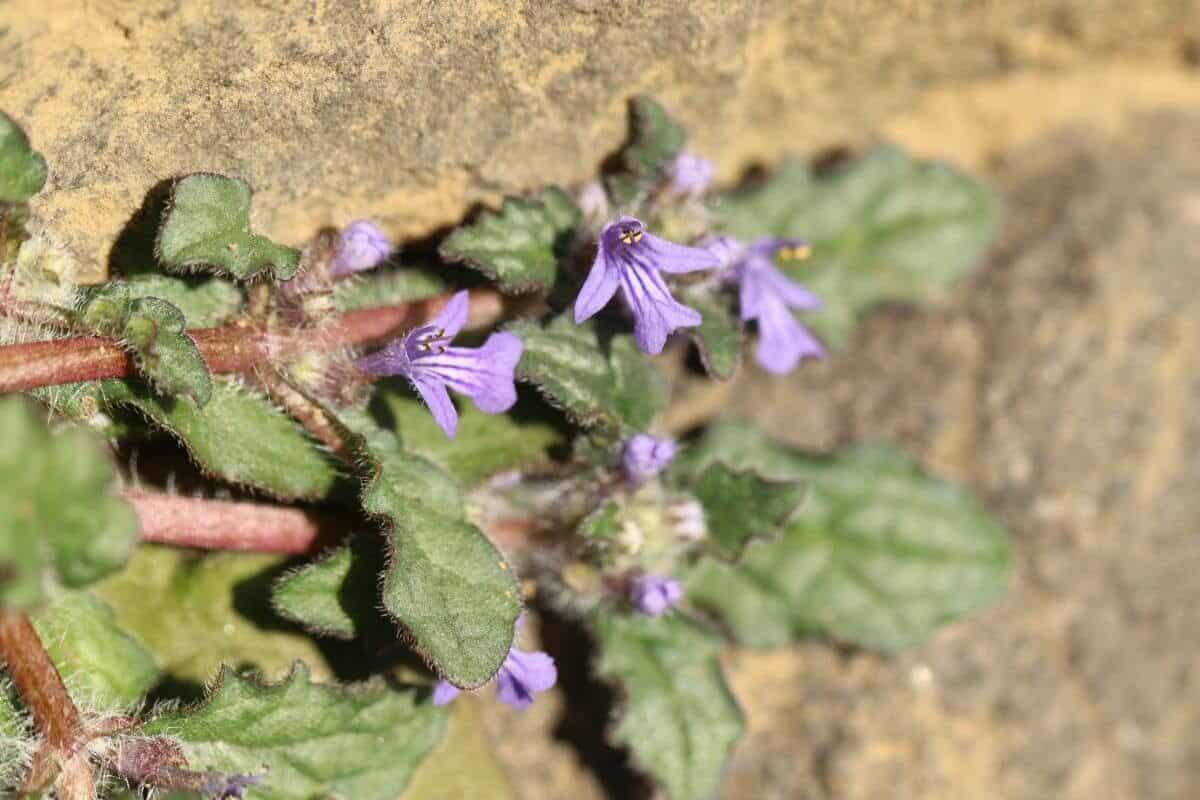
Unleash the Carpet of Color: Propagating Ajuga decumbens
Ajuga decumbens, commonly known as carpet bugleweed, is a groundcover extraordinaire. With its low-growing habit and vibrant foliage ranging from deep green to shades of purple and bronze, it’s no wonder gardeners adore this hardy perennial. But did you know that multiplying your Ajuga patch is surprisingly simple? Let’s explore the fascinating world of Ajuga decumbens propagation!
The Power of Division: Your Go-To Propagation Method
Ajuga decumbens spreads naturally through rhizomes, making division the easiest and most effective way to propagate it. Here’s a step-by-step guide:
- Timing is Key: Spring or early fall, when the weather is cool and moist, are the ideal times for dividing Ajuga.
- Digging Deep: Using a sharp spade or garden fork, carefully lift a section of the established Ajuga clump.
- Divide and Conquer: Gently tease apart the clump into smaller sections, ensuring each section has a good chunk of roots and several healthy shoots.
- Replanting: Choose a new location with similar growing conditions to the original plant. Plant the divisions at the same depth they were previously growing, spacing them about 12 inches apart to allow for spreading.
- Water Wisely: Water your newly planted divisions thoroughly to encourage root establishment. Keep the soil consistently moist but not waterlogged.
Seed Starting: An Option for the Adventurous
While division reigns supreme, Ajuga decumbens can be propagated from seed. However, keep in mind that seeds may not produce plants identical to the parent plant due to cross-pollination:
- Seed Collection: Ajuga flowers produce small, inconspicuous seeds. Allow the flower stalks to dry completely before collecting the seeds.
- Sowing Time: Start seeds indoors 6-8 weeks before the last expected frost in your area.
- Seedling Care: Sow the seeds in a well-draining seed starting mix, barely covering them with soil. Keep the soil consistently moist and provide bright, indirect light.
- Transplanting Time: Once seedlings have developed several sets of true leaves and the danger of frost has passed, harden them off gradually before transplanting them outdoors.
Propagation Pro-Tips:
- Optimal Conditions: Ajuga decumbens thrives in partial shade to full sun and prefers well-drained soil.
- Pest and Disease Resistant: One of the beauties of Ajuga is its resilience. It’s generally pest and disease-free, making propagation even more rewarding.
- Creative Applications: Don’t limit your Ajuga to just groundcover! Use your newly propagated plants in containers, hanging baskets, or even to cascade over rock walls for unique visual interest.
Propagating your own Ajuga decumbens is a rewarding experience that allows you to multiply this versatile and beautiful plant. So, grab your gardening gloves, embrace the joy of propagation, and watch your garden transform into a tapestry of color with ease!