
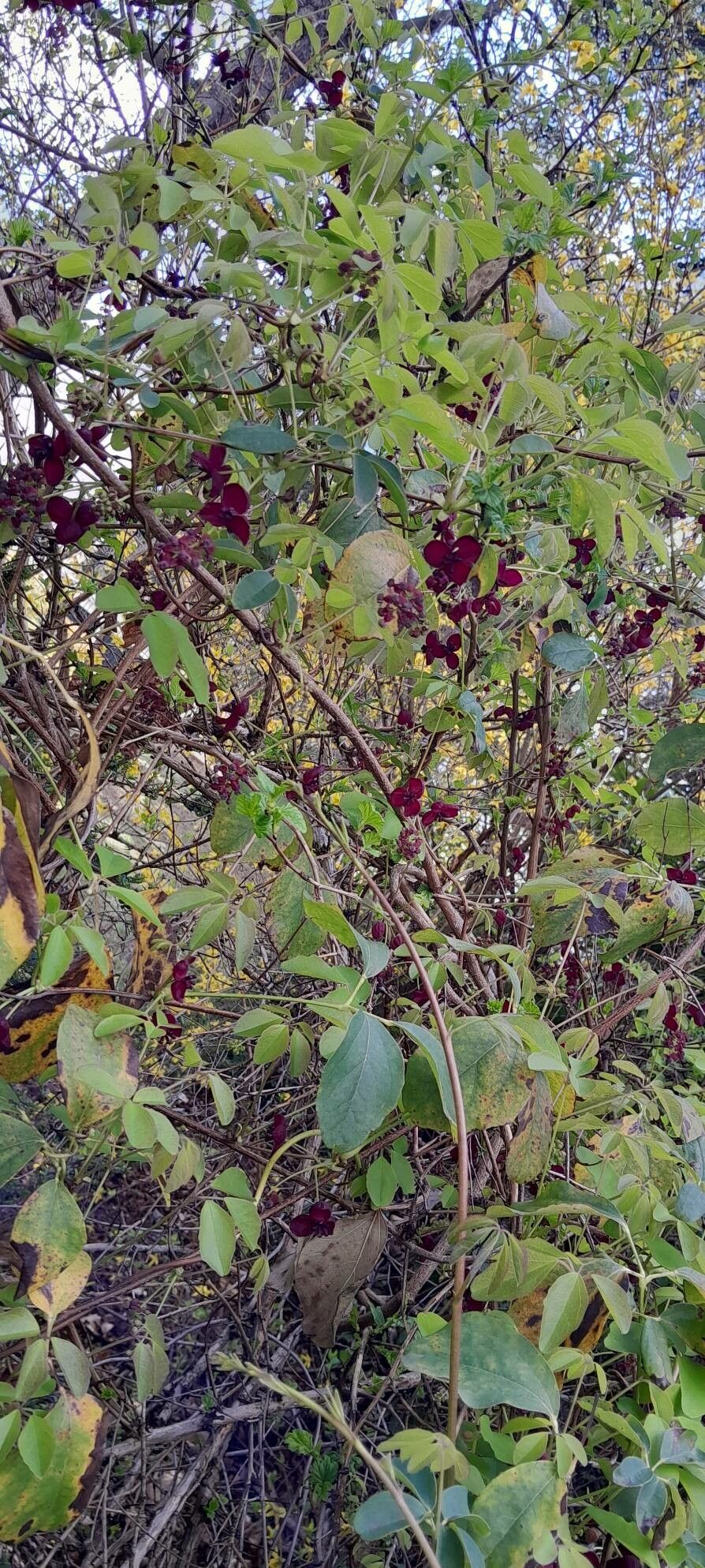
Unlocking the Secrets of Akebia Quinata Propagation: Grow Your Own Chocolate Vine Paradise
The Akebia quinata, affectionately known as the chocolate vine, is a captivating climber known for its exquisite fragrance reminiscent of dark chocolate. This fast-growing vine, with its delicate, hand-shaped leaves and clusters of purplish-brown flowers, can transform any garden into a mystical retreat. But did you know that propagating your own Akebia quinata is an achievable feat, even for novice gardeners? Let’s unravel the mysteries of propagating this beautiful vine and unlock the potential for a flourishing chocolate vine haven.
Method 1: Stem Cuttings – The Go-To Technique
- Timing is key: The ideal period for taking stem cuttings is late spring or early summer, when the plant is experiencing vigorous growth.
- Selecting your cuttings: Choose healthy, non-flowering stems that are approximately 4-6 inches long. Look for stems with at least two sets of leaves.
- Preparing the cuttings: Using a sharp, sterilized knife or pruning shears, make a clean cut just below a leaf node (where the leaf emerges from the stem). Remove the leaves from the lower half of the cutting.
- Encouraging root development: Dip the cut end of the stem in rooting hormone powder (optional but recommended) and then plant the cutting in a well-draining potting mix.
- Creating a humid environment: Cover the pot with a plastic bag or place it in a propagator to maintain humidity and warmth, crucial for root development.
- Patience is a virtue: It may take several weeks for roots to establish. Once you see new growth, it’s a good sign that your cutting has rooted.
Method 2: Layering – Harnessing the Power of Existing Plants
- The ideal time: Spring, when the plant is actively growing, is perfect for layering.
- The process: Select a long, flexible stem and gently bend it towards the ground.
- Ground contact: Wound a small section of the stem where it touches the ground (this encourages root development) and bury that portion in the soil.
- Securing the layer: Use a small rock or a landscape pin to secure the layered stem in place.
- Patience is key: Leave the layered stem undisturbed for several months, allowing it to develop roots.
- Separation and planting: Once the layered section has rooted, you can separate it from the parent plant and pot it up individually.
Caring for Your New Akebia Quinata Plants:
- Watering wisely: Keep the soil consistently moist but not waterlogged.
- Sunlight preference: Akebia quinata thrive in partial shade to full sun. Choose a location accordingly.
- Support system: These are climbing vines, so provide a trellis, arbor, or other support structure for them to climb and flourish.
Propagating your own Akebia quinata is a rewarding experience that allows you to expand your garden with minimal cost and a touch of personal accomplishment. Whether you choose stem cuttings or the layering method, follow these tips, and soon you’ll be enjoying the captivating beauty and enticing fragrance of your very own chocolate vine paradise.