
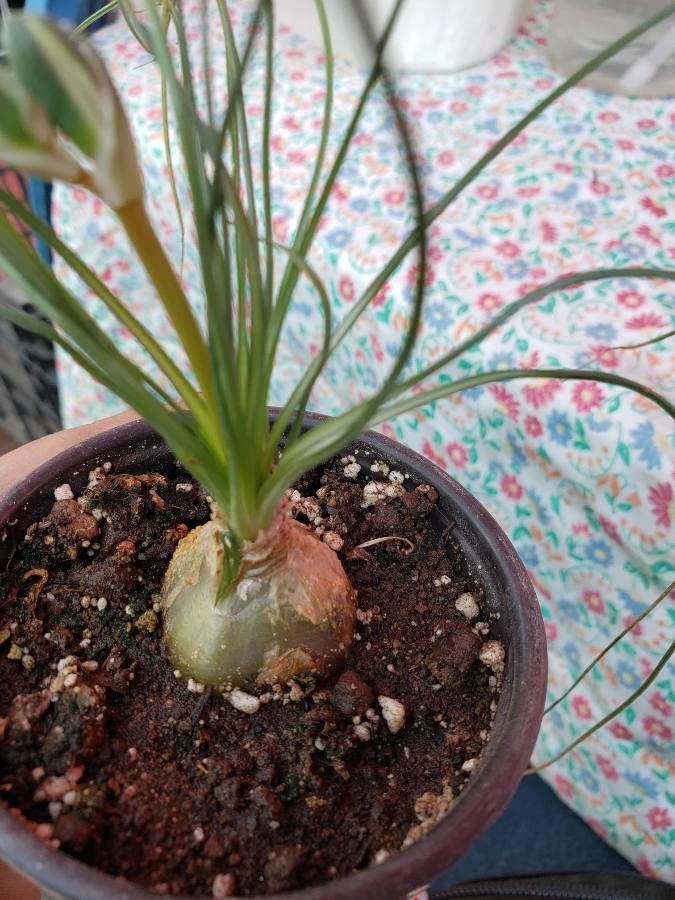
Unlocking the Secrets of Albuca polyphylla Propagation: From Bulb to Bountiful Beauty
The Albuca polyphylla, with its charming spiral of fleshy leaves and delicate, fragrant blooms, is a delightful addition to any succulent enthusiast’s collection. But what truly sets this South African native apart is its ease of propagation, offering multiple avenues for multiplying your plant family.
Why Propagate?
Propagation allows you to create new plants from an existing one, a rewarding experience that also helps you expand your collection without breaking the bank. With Albuca polyphylla, you have not one, but three propagation methods at your disposal:
1. Offsets (Bulblets):
This is the most common and easiest method. Albuca polyphylla readily produces offsets, also known as bulblets, around the base of the mother bulb.
- When and how: As the mother plant matures, you’ll notice these small bulbs forming. The best time to separate them is during the plant’s dormant period (typically fall or winter) when the foliage starts to die back. Gently remove the offsets, ensuring each has its root system. Let them dry for a day or two to allow the cut to callous over, then pot them up in well-draining soil, burying the bulb just below the surface.
2. Leaf Cuttings:
This method involves using individual leaves to grow new plants, albeit a slower process compared to offsets.
- When and how: Choose healthy, plump leaves from a mature plant. Using a sterile, sharp knife or scissors, cut the leaves as close to the base as possible. Allow the cut ends to callus over for a few days. Once dry, lay the leaves horizontally on a well-draining soil mix, slightly burying the cut end. Mist the soil regularly, ensuring it remains lightly moist but not waterlogged. With patience, you’ll eventually notice tiny bulblets forming at the base of the leaves, which can then be potted individually.
3. Seeds:
While a viable option, propagating Albuca polyphylla from seeds is less common due to the time and patience involved.
- When and how: Harvest seeds from dried flower stalks after blooming. Sow seeds in a well-draining seed-starting mix, lightly pressing them into the surface. Mist the soil to keep it consistently moist but not soggy. Provide bright, indirect light and maintain a warm temperature. Germination can take several weeks or even months. Once the seedlings are large enough to handle, transplant them into individual pots.
Tips for Success
Regardless of the propagation method you choose, follow these general tips:
- Well-draining soil: Albuca polyphylla are sensitive to overwatering, so a well-draining soil mix specifically formulated for succulents or cacti is essential.
- Bright, indirect light: While they enjoy plenty of light, protect your plants from harsh, direct sunlight, especially during the hottest hours.
- Water sparingly: Allow the soil to dry out completely between waterings. Overwatering can lead to bulb rot.
- Fertilize occasionally: During the growing season (spring and summer), fertilize lightly with a balanced, diluted fertilizer.
With a little care and attention, you’ll soon be rewarded with a flourishing family of Albuca polyphylla to enjoy for years to come! So why not try your hand at propagating these fascinating plants and discover the joy of witnessing new life emerge from a single leaf or bulb?