
Unleashing the Golden Power: Propagating Aletris Aurea, the Golden Star
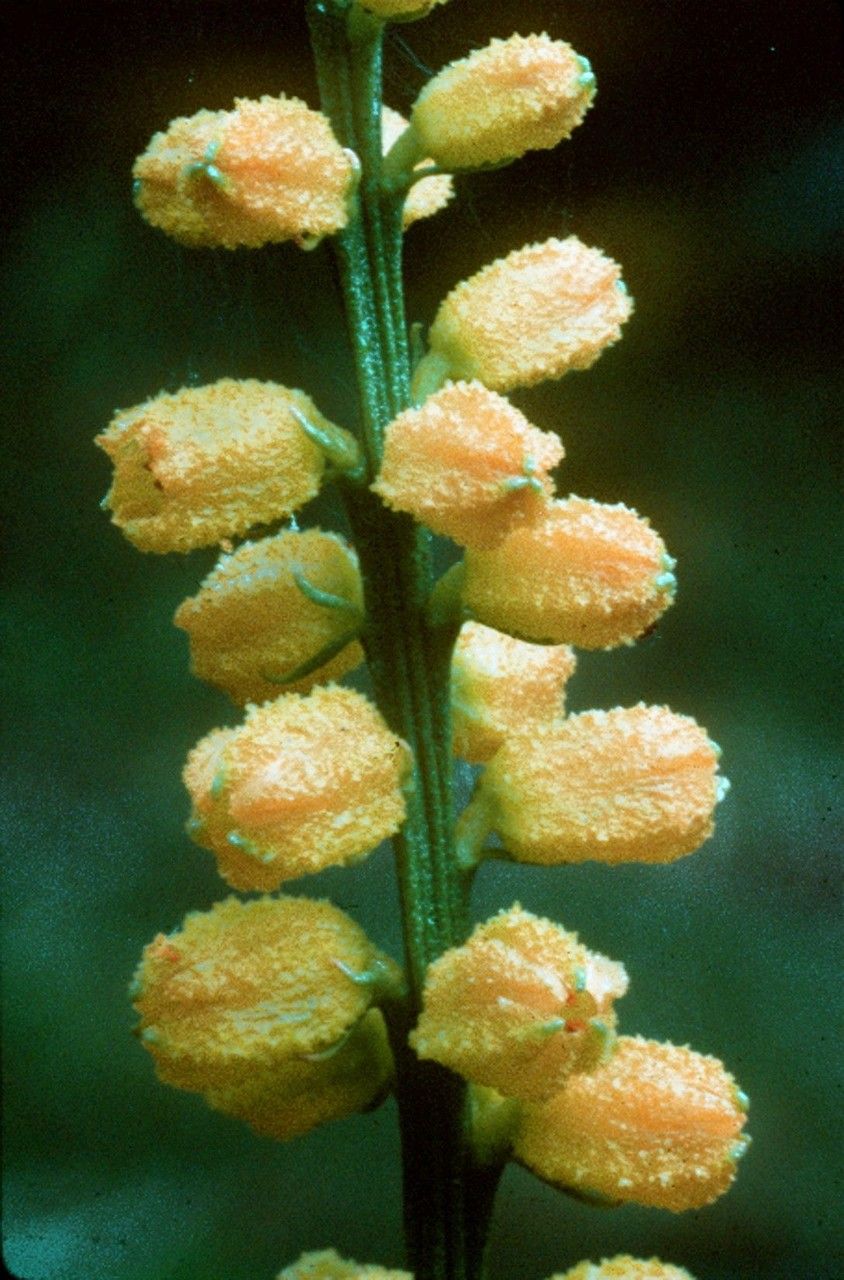
The Aletris aurea, also known as the Golden Star or the Yellow Star Grass, is a captivating wildflower renowned for its graceful, star-shaped blooms and vibrant golden hues. This perennial beauty thrives in moist, acidic soils, making it a perfect addition to woodland gardens, shady borders, or even naturalized landscapes. But the real magic lies in its ease of propagation.
Getting started with Aletris aurea propagation isn’t just for experienced gardeners; anyone can try their hand at this rewarding experience. It’s not about demanding techniques or specialized tools, but about understanding the plant’s natural tendencies and harnessing them to create new life.
Seed Propagation: A Gentle Journey From Seed to Sprout
For those eager to witness the entire transformation of Aletris aurea from seed to bloom, seed propagation presents a unique opportunity. Here’s how to embark on this enchanting journey:
Collect Your Seeds: Wait until late summer or early fall when the flower heads begin to turn brown and the seeds ripen. Gently snip off the seed heads, place them in a paper bag, and allow them to dry in a cool, dry place for a few weeks.
Preparation and Sowing: Once the seeds are dry, gently rub them between your fingers to remove the fluffy outer layer. This will aid in germination. Choose a loose, well-draining potting mix and fill seed trays or small pots. Sprinkle the seeds evenly on the surface, ensuring they have good contact with the soil. Lightly cover the seeds with a thin layer of vermiculite or soil.
Nurturing the Seedlings: Water generously and place your seeds in a bright, well-lit location. Avoid direct sunlight, as it can scorch delicate seedlings. Maintain consistent moisture, ensuring the soil doesn’t dry out. Patience is key, as seeds can take anywhere from 6 to 12 weeks to germinate.
- Transplanting Time: Once seedlings develop their first set of true leaves, carefully transplant them into individual pots or directly into prepared beds in partial shade. Maintain consistent moisture, and with time, your seedlings will mature into robust plants ready to bloom in the following year.
Division: The Quick Route to Multiplication
For those seeking a more immediate reward, division is a straightforward method to increase your Aletris aurea population. Here’s how to do it:
Choose the Right Time: The best time for division is in early spring or late summer when the plant is actively growing.
Dig and Divide: Gently dig up a mature plant and carefully separate it into sections, ensuring each section has healthy roots and foliage.
- Replanting: Plant the divided sections in a well-prepared bed in a suitable spot. Space your new plants 12 to 18 inches apart to allow for adequate growth. Water thoroughly after planting to promote root establishment.
Tips for Success:
- Keep your Aletris aurea happy with moist, acidic soil and partial shade.
- Provide good drainage to prevent root rot.
- Mulch around plants to retain moisture and suppress weeds.
- Monitor your plants for pests and diseases and address any issues promptly.
By understanding the simple techniques of seed propagation and division, you can readily expand your Aletris aurea collection and share its enchanting beauty with your garden and beyond. Like a golden star illuminating the landscape, this resilient plant will continue to shine, spreading its captivating charm with every new plant you cultivate.