
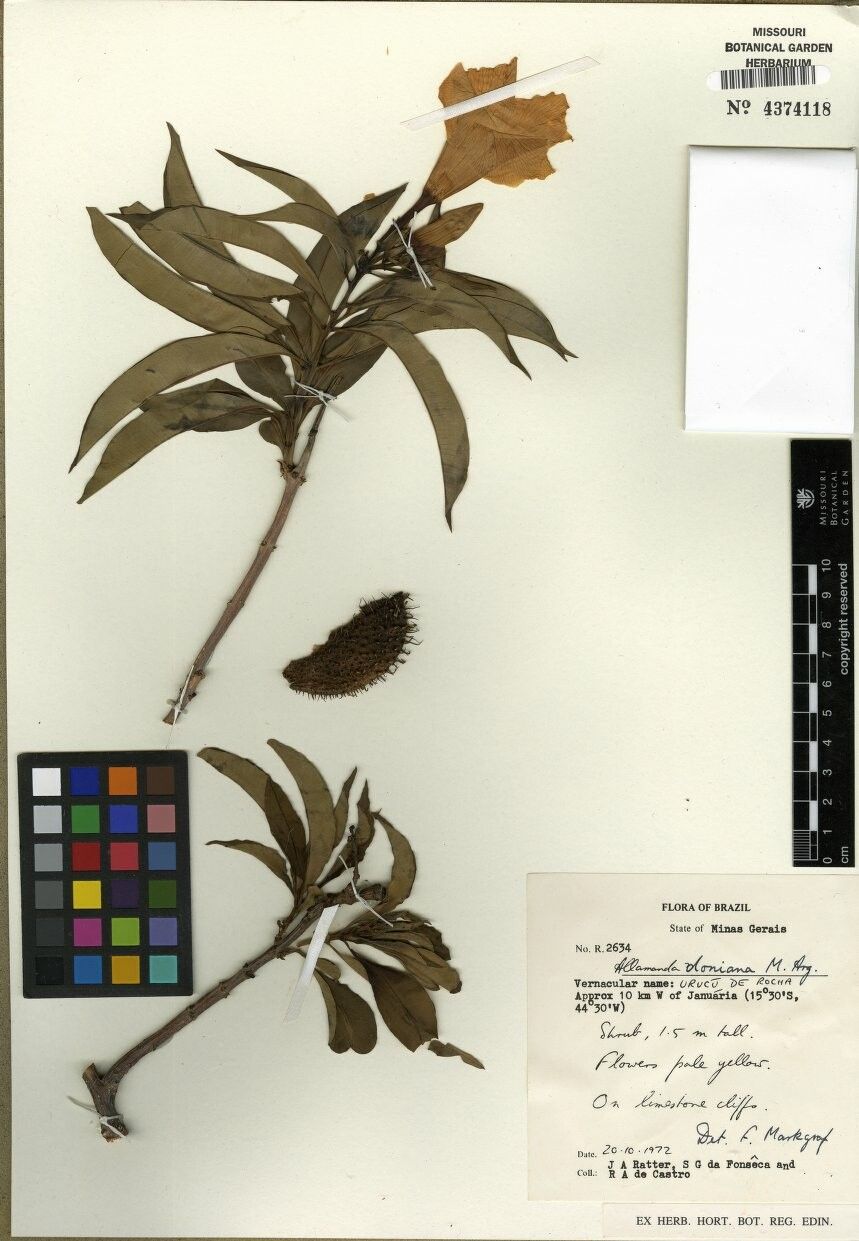
Unlocking the Secrets to Propagating the Golden Trumpet: A Guide to Allamanda Doniana
The Allamanda doniana, fondly known as the Golden Trumpet for its vibrant, bell-shaped blooms, is a sight to behold. This tropical climber, with its lush foliage and explosion of color, can transform any garden into a sunny paradise. But have you ever considered adding this beauty to your own outdoor space? While the prospect of propagating a flowering vine might seem daunting, fear not! This guide will demystify the process and equip you with the knowledge to propagate your own Allamanda doniana.
Two Roads to Golden Success: Seed vs. Cuttings
There are two primary methods for propagating Allamanda doniana: seeds and cuttings. Each approach has its own merits and success rates. Let’s explore both:
1. The Seed Route: Embracing the Patience of Nature
Propagating from seed offers a rewarding journey, allowing you to witness the plant’s entire life cycle. Here’s how to do it:
- Seed Collection: Look for elongated seed pods on your Allamanda doniana. Once mature, these pods turn brown and split open, revealing flat, winged seeds.
- Sowing the Seeds: Choose a well-draining seed-starting mix. Sow the seeds shallowly, pressing them gently into the dampened mix.
- Providing the Right Environment: Cover the tray with a plastic dome or wrap to create a humid environment. Place the tray in a warm, brightly lit location, but out of direct sunlight.
- Germination: With patience, you can expect germination within 2-4 weeks. Once the seedlings have a couple of true leaves, you can transplant them into individual pots.
2. The Cutting Edge: A Quicker Path to Blooming Glory
Propagating from cuttings is generally faster and yields quicker results. This method involves taking a section of a healthy stem and encouraging it to develop roots:
- Selecting the Cutting: Choose a healthy, non-flowering stem from new growth. The cutting should be around 4-6 inches long and have at least two sets of leaves.
- Preparing the Cutting: Remove the lower set of leaves to expose the nodes (where leaves emerge), as roots will develop from these points.
- Rooting Hormone (Optional): While not essential, dipping the cut end in rooting hormone can significantly increase the chance of success.
- Planting the Cutting: Insert the cutting into a pot filled with a well-draining potting mix, burying the node where you removed the leaves.
- Creating a Humid Environment: Cover the pot with a plastic bag or use a humidity dome to create a greenhouse-like environment.
- Root Development: Keep the soil consistently moist but not waterlogged. Within a few weeks, your cutting should develop roots and show signs of new growth.
Nurturing Your Golden Trumpet Progeny
Regardless of your chosen propagation method, follow these tips to ensure your Allamanda doniana thrives:
- Sunlight: These sun-loving plants thrive in 6-8 hours of direct sunlight. However, provide some shade during the hottest parts of the day in particularly warm climates.
- Watering: Water deeply when the topsoil feels dry to the touch, but avoid overwatering, which can lead to root rot.
- Soil: Allamanda doniana prefers well-draining, slightly acidic soil.
- Support: Provide a trellis, fence, or other support structure for your vine to climb.
- Fertilizer: Feed your plant regularly during the growing season (spring and summer) with a balanced liquid fertilizer.
Propagating your own Allamanda doniana is a fulfilling experience that rewards you with an abundance of golden blooms. With a touch of patience and the right know-how, you can enjoy the beauty of this tropical treasure for years to come!