
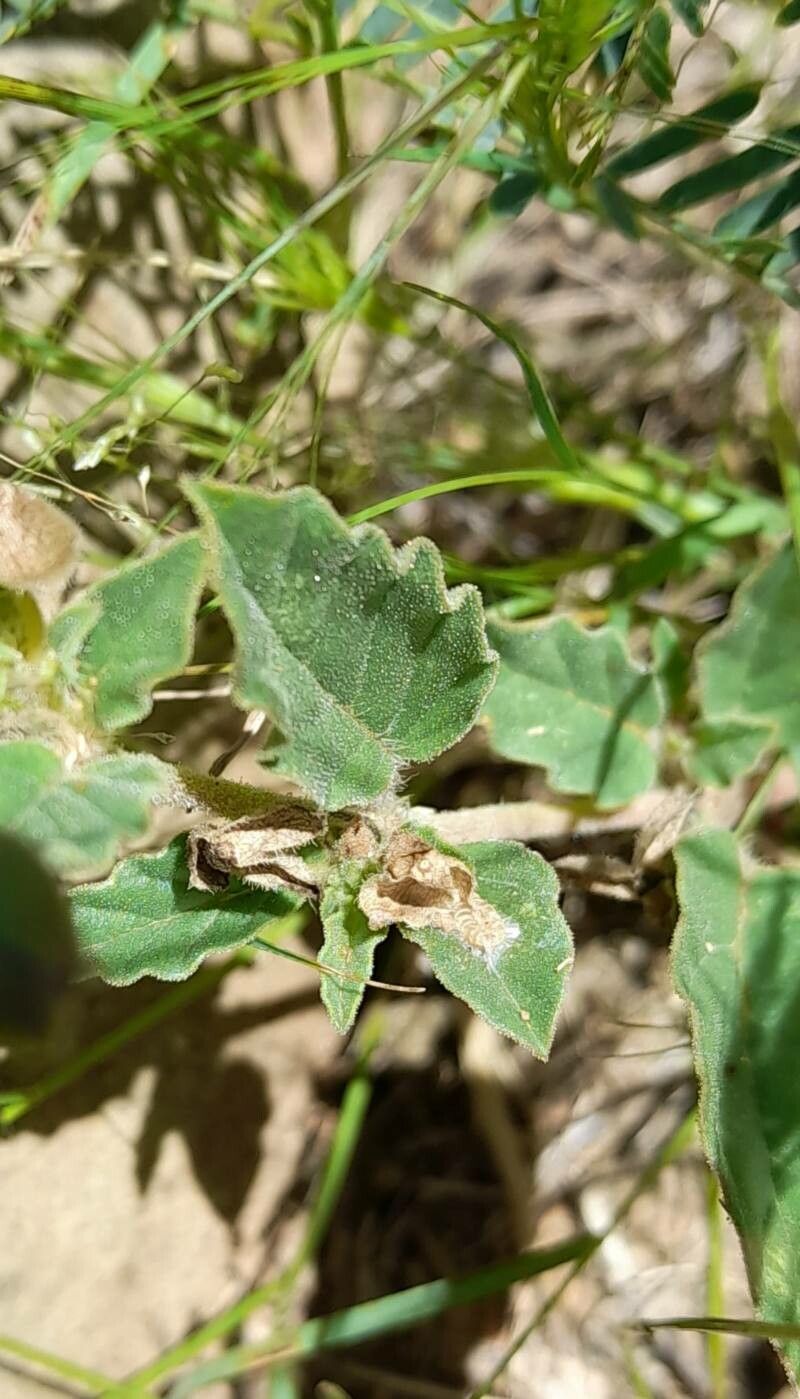
Waking the Trailing Windmills: A Guide to Propagating Allionia incarnata
Allionia incarnata, also known as trailing four o’clock or wineflower, is a charming groundcover known for its delicate, windmill-shaped blooms. These blossoms, ranging in color from a soft lavender to a vibrant magenta, unfurl in the afternoon sun, adding a splash of color to any landscape. While readily available at some nurseries, propagating your own Allionia incarnata is a rewarding experience that lets you easily expand your garden’s palette.
This guide will explore two primary methods of propagating this captivating plant:
1. Seed Propagation: A Dance with Patience
Propagating Allionia incarnata from seed offers a sense of accomplishment as you nurture life from its earliest stage. Here’s how:
- Seed Collection: Gather seeds from existing plants in late summer or early fall. Look for small, brown, nut-like fruits that easily crumble when gently squeezed.
- Seed Preparation (Optional): While not essential, cold stratification can boost germination rates. Store seeds in a moist paper towel inside a sealed bag in your refrigerator for 4-6 weeks before planting.
- Sowing: In spring, sow seeds directly outdoors after the last frost or start them indoors 6-8 weeks before. Press seeds lightly onto the soil surface, barely covering them.
- Location & Care: Choose a spot with well-draining soil and ample sunlight. Keep the soil consistently moist but never waterlogged.
Germination can take anywhere from 2-6 weeks, so patience is key. Thin out weaker seedlings once they have a few sets of true leaves, providing ample space for the strongest plants to flourish.
2. Cuttings: The Fast Track to New Growth
For a faster propagation method, consider taking stem cuttings. This technique harnesses the plant’s natural ability to regenerate, giving you a head start:
- Timing is Everything: Take cuttings in late spring or early summer when the plant is actively growing.
- Making the Cut: Select healthy, non-flowering stems. Using clean, sharp shears, take cuttings about 4-6 inches long, cutting just below a leaf node (the point where a leaf attaches to the stem).
- Prepare the Cuttings: Remove the lower leaves from the cutting, leaving only a few at the top.
- Rooting Hormone (Optional): Dipping the cut end in rooting hormone powder can encourage faster root development, though it’s not strictly necessary.
- Planting the Cuttings: Insert the cuttings into a well-draining potting mix, burying at least two nodes beneath the soil surface. Water thoroughly.
- Creating a Humid Environment: Cover the pot with a plastic bag or use a humidity dome to create a greenhouse-like atmosphere that promotes rooting.
Within a few weeks, your cuttings should develop roots. You can test this by gently tugging on the cutting – resistance indicates root development. Once rooted, gradually acclimate the cuttings to outdoor conditions before transplanting them to their permanent location.
A Note on Allionia incarnata’s Resilient Nature:
This adaptable plant readily self-seeds, meaning you might find volunteer seedlings popping up around your garden. If you prefer to control its spread, deadhead spent blooms before they go to seed.
Whether you choose to start from seed or propagate through cuttings, Allionia incarnata is a rewarding plant to grow. Its delicate beauty, combined with its ease of propagation, makes it a wonderful addition to any garden, attracting pollinators and bringing a touch of the wild to your landscape.