
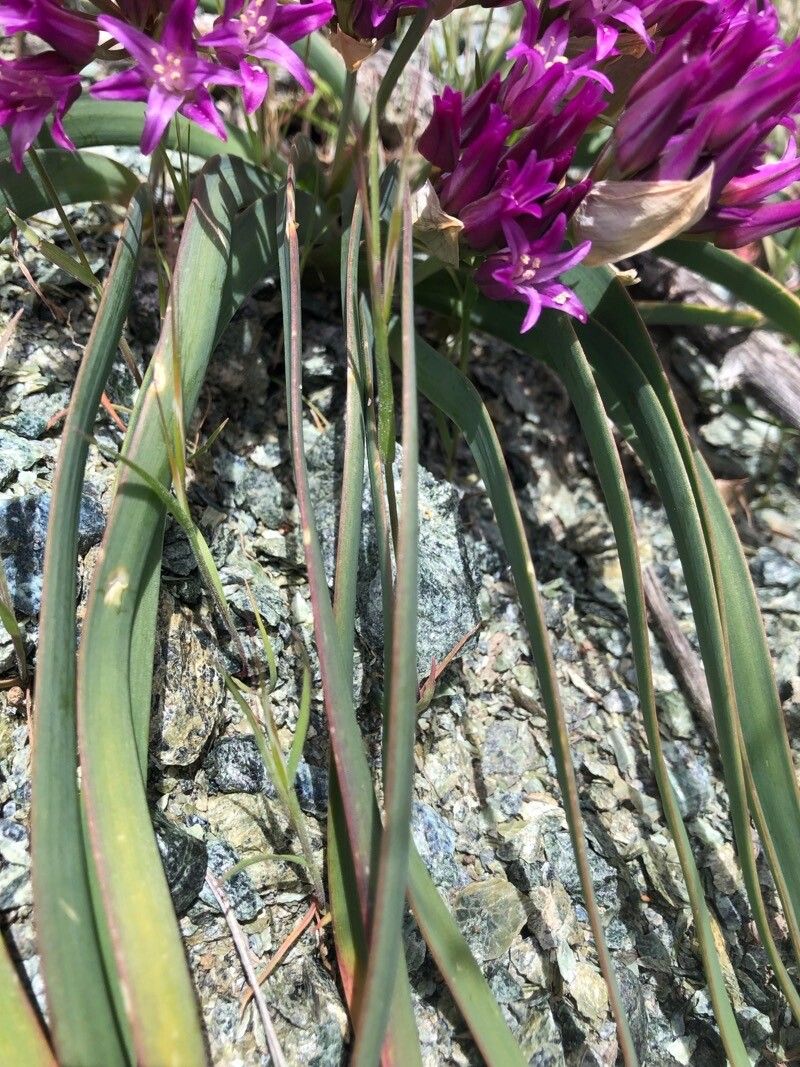
Unveiling the Secrets of Allium falcifolium Propagation: Grow Your Own Tapestry of Crimson Blooms
Allium falcifolium, commonly known as the sickle-leaved onion or scytheleaf onion, is a captivating wildflower native to the western United States. With its vibrant crimson umbels bursting forth in late spring, this charming allium species adds a burst of color and delicate texture to any rock garden, border, or container. While easily admired in the wild, many plant enthusiasts are drawn to cultivating these beauties in their own gardens. But how does one go about propagating Allium falcifolium? Fear not, fellow plant lovers, for we’re about to unlock the secrets to successfully multiplying your very own tapestry of these crimson blooms.
Two Paths to Propagation:
Allium falcifolium can be propagated through two primary methods:
Seed propagation: This method offers a rewarding experience for those who enjoy the journey from tiny seed to flourishing plant. However, it requires patience, as it takes longer for the plants to mature and bloom compared to division.
- Division: This technique involves separating the bulb clusters of established plants, resulting in faster blooming and a greater number of plants. It’s the preferred method for most gardeners due to its efficiency.
Embarking on the Seed Sowing Journey:
- Timing is Key: Sow your Allium falcifolium seeds in late fall or early winter. This allows the seeds to experience a period of cold stratification, which is crucial for breaking dormancy and promoting germination.
- Sowing the Seeds: Choose a well-drained seed starting mix or create your own using a combination of peat moss, perlite, and vermiculite. Plant the seeds at a depth of ¼ inch and water them gently.
- Nurturing the Seedlings: Place the seed trays in a cool, sheltered location outdoors or in a cold frame. Light is not necessary during this stage. Keep the soil consistently moist but not waterlogged.
- Transplanting: Once the seedlings emerge in the spring and have developed a few sets of true leaves, they can be transplanted into individual pots or directly into the garden.
Dividing for Abundance:
- When to Divide: The optimal time to divide Allium falcifolium is in late summer or early fall after the foliage has died back. This allows the bulbs ample time to establish themselves before winter.
- Unearthing the Treasure: Carefully dig around the base of the clump, ensuring you don’t damage the bulbs. Gently lift the clump out of the ground.
- Separating the Clumps: Use your hands or a sharp, clean knife to carefully separate the bulbs into smaller clusters. Each cluster should ideally have 3-5 bulbs.
- Replanting: Replant the divided clumps at the same depth they were originally growing, spacing them about 6-8 inches apart. Water them well.
Nurturing Your Allium Falcifolium:
Regardless of your chosen propagation method, provide your Allium falcifolium plants with adequate sunlight, well-drained soil, and moderate watering. They thrive in full sun to partial shade. Once established, these drought-tolerant beauties require minimal watering, except during extended dry periods.
Reaping the Rewards:
With a little patience and care, your propagation efforts will be rewarded with a stunning display of Allium falcifolium. These beautiful wildflowers will self-seed readily, creating a breathtaking tapestry of crimson blooms for years to come. So go ahead, embrace the joy of propagation, and add a touch of wild beauty to your garden with the captivating allure of Allium falcifolium!