
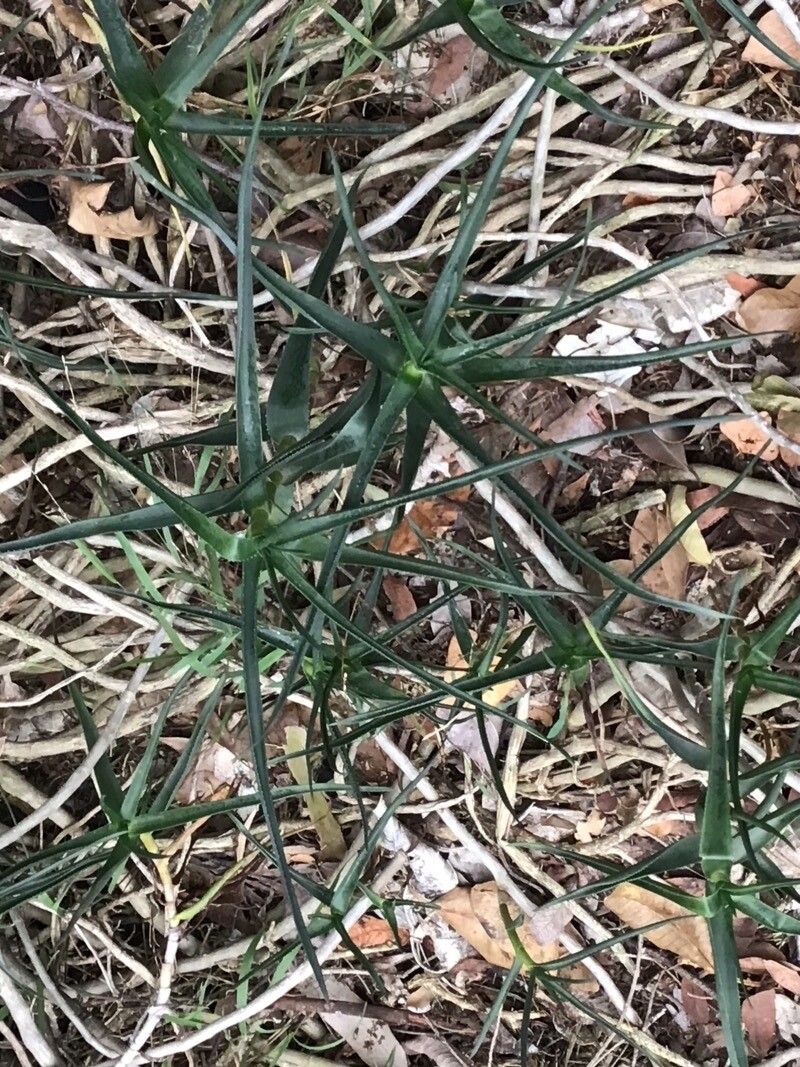
Multiply Your “Climbing Aloes”: Propagating Aloiampelos tenuior
Aloiampelos tenuior, once commonly known as Aloe tenuior, is a fascinating succulent that adds a touch of architectural elegance to any space. But did you know that replicating this beauty isn’t as intimidating as its scientific name might suggest? Propagating your “Climbing Aloe” is a rewarding endeavor, and with a little patience and the right know-how, you can easily multiply your collection.
Understanding the Plant
Before we delve into propagation, let’s get acquainted with our star succulent. Aloiampelos tenuior is native to South Africa, where it scrambles and climbs its way through the landscape. Unlike its rosette-forming Aloe cousins, this species features slender, branching stems adorned with soft, fleshy leaves. These characteristics make it ideal for hanging baskets or allowing it to cascade over walls.
Propagation Methods
There are two primary ways to propagate Aloiampelos tenuior:
1. Stem Cuttings:
This is the most common and arguably the easiest method for propagating this climbing wonder. Here’s how:
- Take the Cuttings: Select healthy, firm stems with at least 3-4 leaf nodes. Using clean, sharp shears or a knife, make a clean cut just below a node (where the leaves grow from the stem).
- Let Them Callus: Allow the cuttings to air dry in a warm, shaded area for a few days to a week. This crucial step allows the cut end to form a callus, preventing rot when planted.
- Potting Time: Prepare small pots with well-draining succulent or cactus mix. Plant the callused cuttings about an inch deep, ensuring at least one node is buried.
- Water Sparingly: Water the cuttings lightly, only when the soil is completely dry. Remember, these are succulents, so they prefer their soil on the drier side.
- Patience Is Key: It can take several weeks for roots to establish. Once you see new growth, you’ll know your cuttings have successfully rooted!
2. Seeds:
Propagating from seeds is a longer and slightly more challenging process but can be immensely rewarding. Here’s a breakdown:
- Source Your Seeds: You can harvest seeds from your plant’s seed pods or purchase them from reputable suppliers. Fresh seeds generally have a higher germination rate.
- Prepare the Seedbed: Use a well-draining seed starting mix or a combination of sand and perlite. Sow seeds thinly on the surface and barely cover them with a light sprinkling of the mix.
- Create a Humid Environment: Cover the seed tray with a plastic lid or wrap to maintain humidity and warmth, crucial for germination. Place the tray in a bright location but out of direct sunlight.
- Water Consistently: Keep the seed starting mix consistently moist but not waterlogged. A spray bottle is helpful to avoid disturbing the tiny seeds.
- Germination Time: Be patient! Aloiampelos tenuior seeds can take anywhere from a few weeks to a couple of months to germinate.
- Transplanting: Once the seedlings have a few sets of true leaves and are large enough to handle, you can transplant them into individual pots.
Tips for Success:
- Timing: Spring and early summer offer the best conditions for successful propagation, as the plant is actively growing.
- Light: Provide your cuttings or seedlings with bright, indirect light. Avoid direct sunlight, which can scorch the young plants.
- Don’t Overwater: Remember, these are succulents and are susceptible to root rot from overwatering. Always allow the soil to dry out completely between waterings.
Propagating Aloiampelos tenuior is a rewarding way to expand your succulent collection and share the joy of these fascinating plants with others. With a little care and attention, you’ll soon have new “Climbing Aloes” cascading throughout your home.