
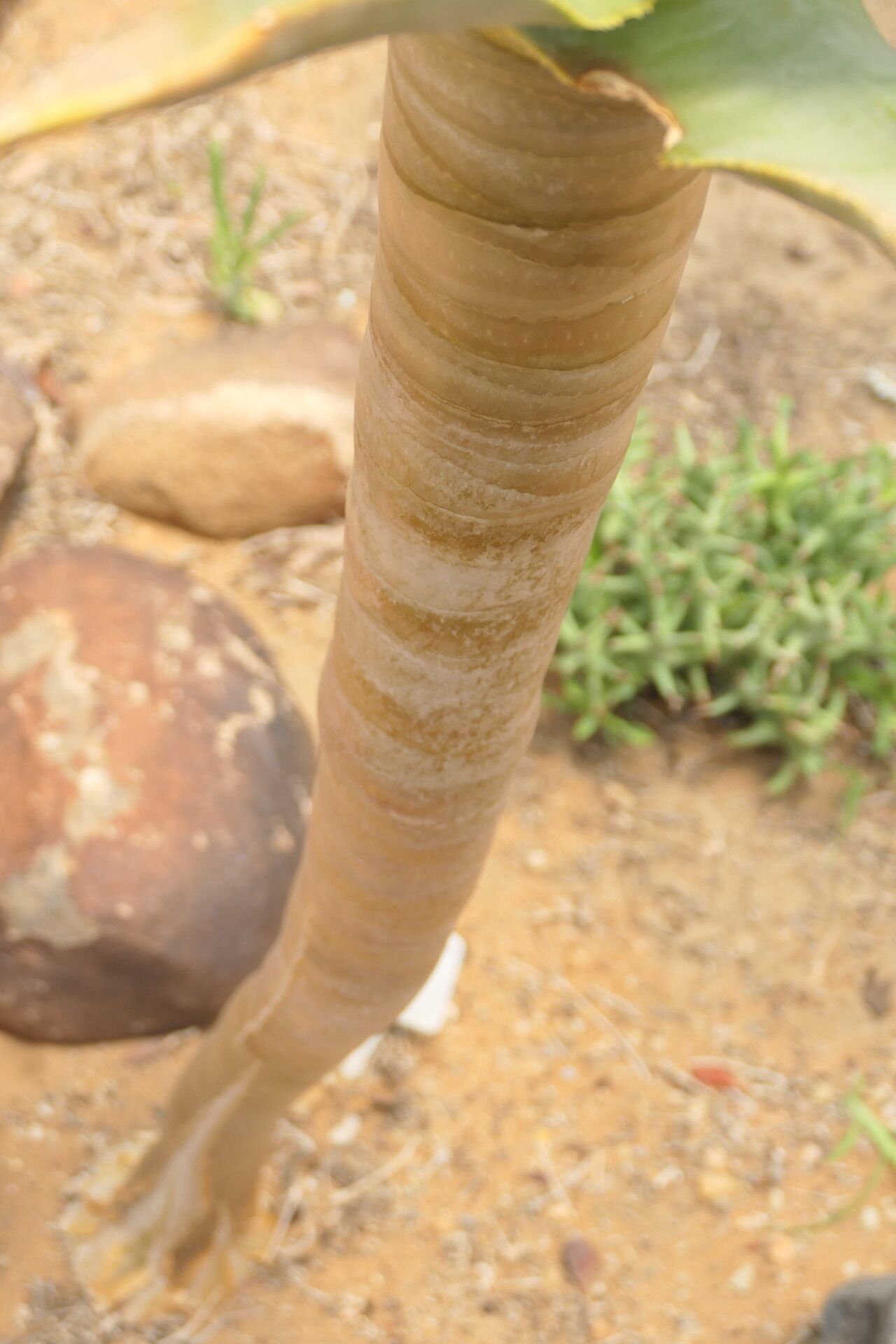
From One to Many: Propagating the Majestic Aloidendron pillansii
The Aloidendron pillansii, also known as the Quiver Tree, is a stunning sight to behold. With its imposing stature and unique, bottle-shaped trunk, it’s a true conversation starter in any garden. But did you know that this magnificent plant can also be propagated, allowing you to share its beauty with others or simply grow more for yourself?
While the idea of propagating such a dramatic plant might seem daunting, it’s actually within reach of even the most novice gardener. Here’s a breakdown of the most effective methods:
1. Seed Propagation: A Long-Term Commitment
The most common method for growing Aloidendron pillansii is from seed. While this method requires patience as it takes several years for seedlings to reach a considerable size, it’s also the most rewarding experience. Here’s how:
- Gather Seeds: Obtain fresh seeds from a reputable source. You can also collect seeds from mature Quiver Trees.
- Start in a Seed Tray: Sow the seeds in a well-draining seed tray filled with a mix of cactus potting soil and perlite. Ensure the seeds are planted just beneath the surface and kept consistently moist.
- Provide Warmth: Keep the tray in a warm and sunny location, with temperatures around 70-75°F.
- Patience is Key: Germination can take a few weeks to a couple of months. Be patient, and keep the soil lightly moist.
- Repot When Larger: Once the seedlings have developed a few true leaves, carefully transplant them into individual pots.
2. Offsets: A Quick and Easy Path
A more time-efficient method involves using plant offsets. These are small, new plants that grow naturally at the base of the parent plant. Here’s how you can take advantage of this:
- Identify Mature Offsets: Look for offsets that are at least 3-4 inches tall and have developed their own root system.
- Gentle Separation: Carefully remove the offset from the parent plant using a sharp, clean knife or a garden trowel.
- Prepare the Offset: Allow the offset to dry for a few days before planting it in a well-draining potting mix.
- Provide Appropriate Conditions: Place the potted offset in a sunny location and water it sparingly, allowing the soil to dry out between waterings.
3. Cuttings: A More Advanced Approach
For more experienced gardeners, propagating Aloidendron pillansii via cuttings can be a successful method. However, it’s important to note that this technique requires more care and attention.
- Choosing a Cutting: Select a healthy stem from a mature plant that is around 6-8 inches long.
- Preparing the Cutting: Remove the lower leaves and make a clean cut at the base of the stem.
- Promote Rooting: Dust the cut end of the stem with rooting hormone to encourage root development.
- Plant in a Pot: Place the cutting in a pot filled with a well-draining potting mix and water sparingly.
- Maintain Ideal Conditions: Keep the pot in a warm and bright location, but out of direct sunlight.
Nurturing Your New Quiver Trees
Whether you choose seeds, offsets, or cuttings, providing the right conditions is crucial for the success of your Aloidendron pillansii propagation.
- Sunlight: These plants thrive in full sun, so ensure they receive at least 6 hours of direct sunlight daily.
- Water: Avoid overwatering. Allow the soil to dry out completely between waterings.
- Soil: Use a well-draining cactus potting mix to prevent root rot.
- Fertilizer: Feed your plants with a balanced fertilizer during the growing season (spring and summer).
The Journey of Growth
Propagating Aloidendron pillansii is a journey. It requires patience, care, and a touch of dedication. By following these tips, you can witness the magic of turning a single plant into a flourishing colony of these captivating Quiver Trees, adding a touch of desert beauty to your garden.