
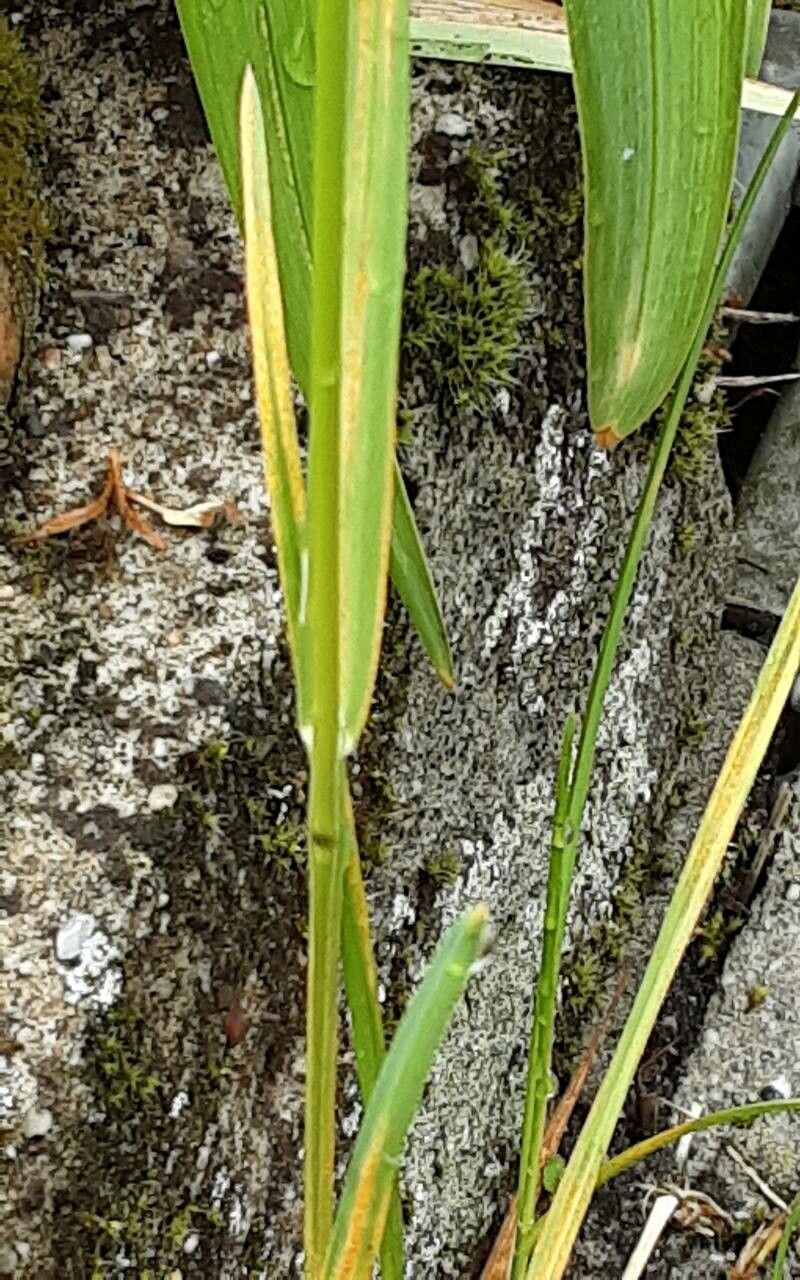
Spreading the Silky Love: A Guide to Propagating Orange Foxtail Grass (Alopecurus aequalis)
Orange Foxtail Grass, or Alopecurus aequalis, might sound like a mouthful, but trust us, this graceful ornamental grass is a visual treat. Imagine delicate, bottle-brush plumes swaying in the breeze, their orange-tinged tips catching the sunlight. Now, imagine multiplying that beauty throughout your garden. Sounds appealing? Let’s dive into the how-to of propagating this charming grass.
Two Roads to More Foxtail Fun
Alopecurus aequalis can be easily propagated in two ways: by seed and by division. Each method has its own pros and cons, catering to different preferences and situations.
1. The Seed Route: Starting from Scratch
Propagating Alopecurus aequalis from seed offers a sense of accomplishment and is surprisingly easy. Here’s your step-by-step guide:
- Timing is Key: Sow seeds in early spring after the last frost, or in late summer for a head start on the following spring.
- Prepare Your Canvas: Choose a well-drained soil mix, moisten it, and fill your seed trays or pots.
- Sow with Care: Sprinkle seeds thinly over the surface, pressing them gently into the soil. Don’t bury them.
- Light and Warmth: Place the trays or pots in a bright location, but out of direct sunlight. Maintain a temperature of around 65-70°F (18-21°C).
- Patience, Young Grasshopper: Germination typically takes 10-14 days. Keep the soil consistently moist but not waterlogged.
- Thinning the Herd: Once seedlings develop several true leaves, thin them out to provide adequate spacing for growth.
- Ready to Rock and Roll: When the seedlings are sturdy enough, transplant them into individual pots or directly into your garden.
2. Division: The Gift that Keeps on Growing
Division is the quickest way to multiply your Alopecurus aequalis and is best done in spring. Here’s how to do it:
- Dig It Up: Carefully dig up a healthy clump of grass, ensuring you get a good root system.
- Divide and Conquer: Using a sharp knife or spade, divide the clump into smaller sections, making sure each section has a healthy amount of roots and shoots.
- Replant and Rejoice: Replant the divisions at the same depth they were originally growing, water thoroughly, and watch them flourish.
Tips for Success
Regardless of your chosen propagation method, these tips will boost your chances of success:
- Alopecurus aequalis prefers moist, well-drained soil.
- Full sun is best, but this grass tolerates partial shade.
- Deadhead spent flower heads to encourage continuous blooming.
- Divide mature clumps every few years to maintain plant vigor.
Reap the Rewards
With a little effort and these simple techniques, you’ll have a thriving colony of Alopecurus aequalis gracing your garden. Enjoy the gentle sway of these captivating grasses, adding texture, movement, and a touch of orange magic to your outdoor haven.