
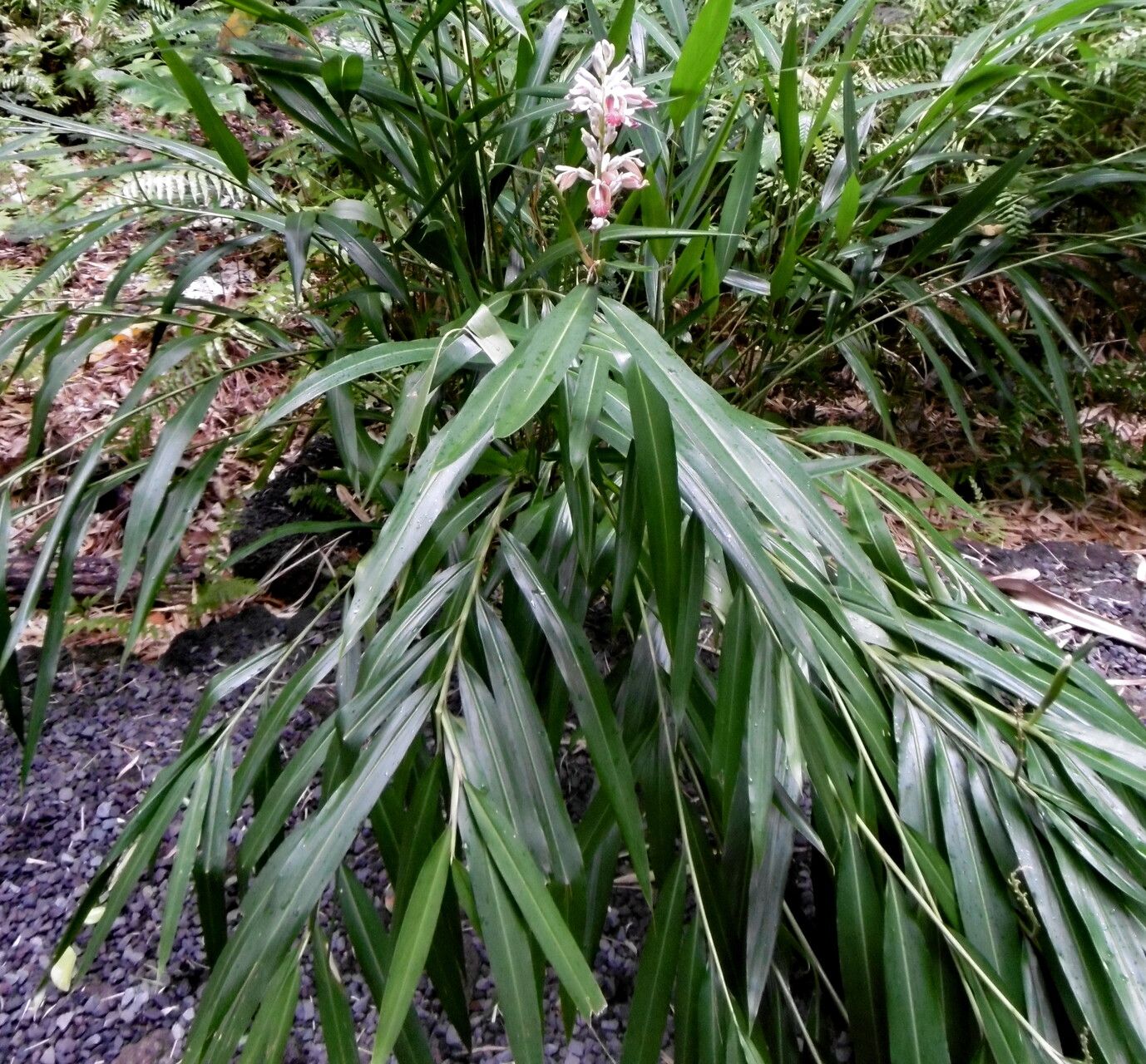
Bring the Jungle Home: Propagating the Stunning Alpinia Calcarata
The Alpinia calcarata, also known as the “Shell Ginger” or “Ginger Lily”, is a captivating tropical beauty that will instantly elevate your home or garden. This plant, with its striking red bracts that encase delicate white flowers, adds a touch of exotic allure wherever it’s placed. But did you know you can easily share this tropical magic? Let’s delve into the exciting world of propagating Alpinia calcarata and get you on your way to growing more of these stunning plants.
The Advantages of Propagation
Propagation is the process of creating new plants from existing ones. While buying plants is convenient, propagation offers numerous benefits:
- Cost-Effective: Instead of purchasing pricey new plants, you can effortlessly multiply your existing ones.
- Genetic Continuity: Propagated Alpinia calcarata plants will be identical to their parent plant, ensuring you maintain the desired features.
- Wider Variety: You can share your beloved plant with friends and family, spreading the joy of the Shell Ginger.
Methods of Propagation
There are two primary methods to propagate Alpinia calcarata:
1. Division:
This method is ideal for established plants. Here’s how to do it:
- Timing: Spring or early summer is the best time for division.
- Preparation: Dig around the base of your parent plant to expose the rhizomes.
- Division: Locate healthy growth points (usually marked by a bud) along the rhizomes. Use a sharp knife to carefully divide the rhizome, ensuring each section has at least one growth point.
- Repotting: Plant the newly divided rhizomes in individual pots filled with well-draining potting mix. Place them in a warm, shaded location and keep the soil moist.
- Expect Results: You should see new growth within a few weeks.
2. Stem Cuttings:
This method works well for younger, less established plants.
- Timing: Spring to early summer is the ideal time.
- Selection: Choose healthy, semi-mature stems with several nodes (the bumps along the stem where leaves grow).
- Cutting: Cut a stem just below a node, leaving at least three nodes on each cutting.
- Preparation: Remove the leaves from the bottom node and dip the cut end in rooting hormone (optional).
- Planting: Place the stem cuttings in a pot with a well-draining potting mix. Keep the soil moist and place the pot in a warm, bright location.
- Rooted Success: Within a few weeks, you should see new roots developing.
Tips for Success:
- Ideal Conditions: Alpinia calcarata thrives in warm, humid environments with bright, indirect light.
- Consistent Moisture: Keep the soil consistently moist but not waterlogged.
- Warmth: Maintain a temperature above 60 degrees Fahrenheit (15 degrees Celsius) for optimal growth.
- Nutrients: Regular fertilizing with a balanced fertilizer during the growing season will promote healthy growth.
Conclusion:
Propagating your Alpinia calcarata is an enriching and rewarding process. With patience and a little care, you can create new plants to enjoy in your home or share with others. By embracing the joy of propagation, you’ll not only multiply your favorite plant but also cultivate a deeper connection with the natural world. The vibrant beauty of the Alpinia calcarata, along with its fascinating propagation methods, makes it an excellent choice for plant enthusiasts of all levels. So, go ahead and give it a try – the lush jungle of this plant awaits!