
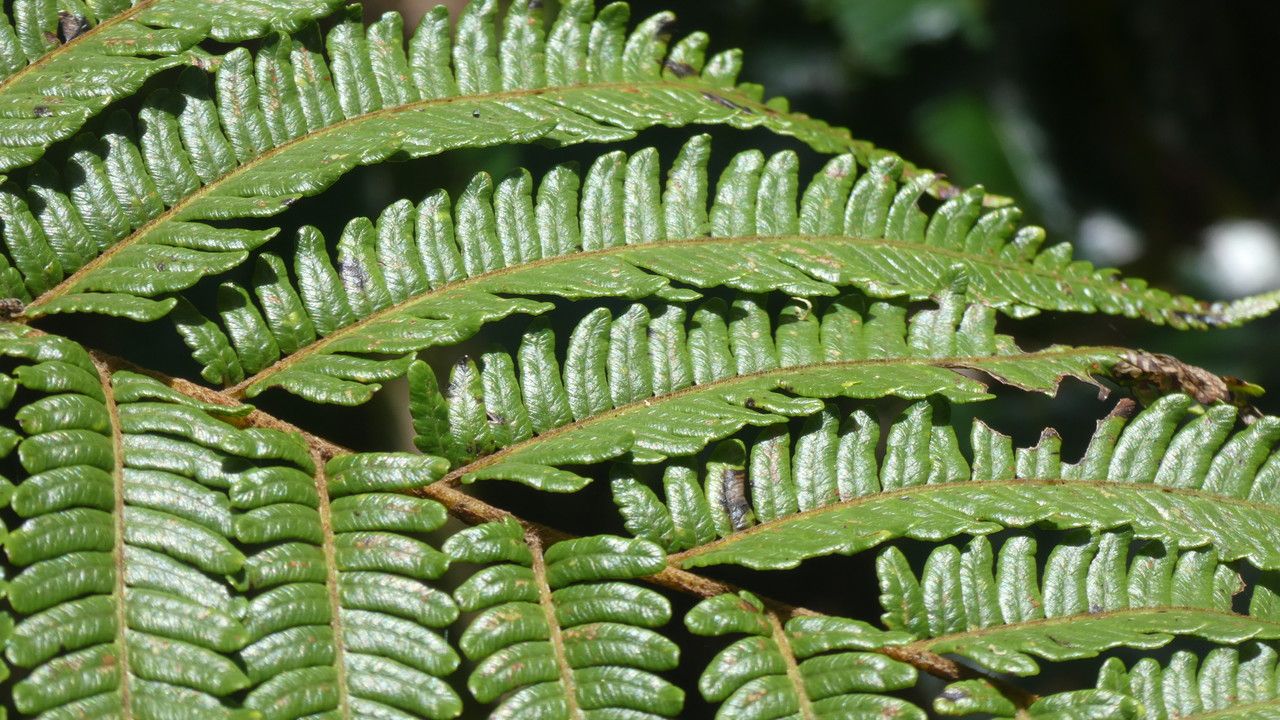
From Spores to Splendor: Propagating the Majestic Tree Fern (Alsophila borbonica)
The Alsophila borbonica, or the Bourbon tree fern, is a captivating sight. Its towering trunk, adorned with a crown of lush, feathery fronds, evokes an air of ancient majesty. But did you know you can bring a piece of this tropical beauty into your own home? While it may seem daunting, propagating the Alsophila borbonica is achievable, even for the beginner gardener.
The Beauty of Spore Propagation
Unlike many plants, the Alsophila borbonica doesn’t reproduce through seeds. It relies on the magic of spores, tiny dust-like particles that hold the potential for a new life cycle. This method, known as spore propagation, is a fascinating and rewarding process.
Step-by-Step Guide to Spore Propagation
Harvesting Spores: The spores are found beneath the frond, nestled in clusters known as “sori.” Look for mature fronds with brown, rust-colored sori, a sign they are ready for harvesting. Gently pick these fronds and place them in a dry, well-ventilated area for a few days. The spores will release and settle on the surface, ready for collection.
Sterilizing the Growing Medium: Spore propagation requires sterile conditions. You can use a mixture of peat moss and vermiculite, or a pre-made sterile seed starting mix. Heat the mixture in the oven for 30 minutes at 180°C (355°F) to kill any potential contaminants.
Sowing the Spores: Fill a shallow tray or pot with the sterile mixture. Lightly sprinkle the spores over the surface and mist them with water. Don’t bury them deeply, as they need light to germinate. Cover the tray with a clear lid or plastic wrap to create a humid environment.
Maintaining Ideal Conditions: The ideal temperature for spore germination is around 24°C (75°F). Place the tray in a bright location but avoid direct sunlight. Keep the mixture consistently moist by misting regularly.
Patience, Patience, Patience: The wait can be long, anywhere from a few weeks to several months. Initially, you’ll see a green film develop on the surface, known as a “prothallus.” This is the precursor to the actual fern plant.
- Transplanting: Once the young ferns develop true leaves, you can carefully separate them and transplant them into individual small pots containing a well-draining potting mix.
Tips for Success:
- Sterility is crucial: Ensure your hands and tools are clean to avoid contamination.
- Consistency is key: Maintain consistent moisture and temperature for optimal growth.
- Be patient: The process requires patience and careful attention.
Beyond Spores: Other Propagation Options
While spore propagation is the primary method for Alsophila borbonica, you can also try division. This involves carefully separating a mature plant into multiple sections, each with its own roots. However, division is usually reserved for established plants and requires more expertise.
Conclusion
Propagating the Alsophila borbonica is a fulfilling and rewarding endeavor. It allows you to experience the full life cycle of this magnificent fern and creates a unique and beautiful addition to your plant collection. With a little patience and the right techniques, you can watch as a tiny spore transforms into a majestic, tropical treasure in your own home.