
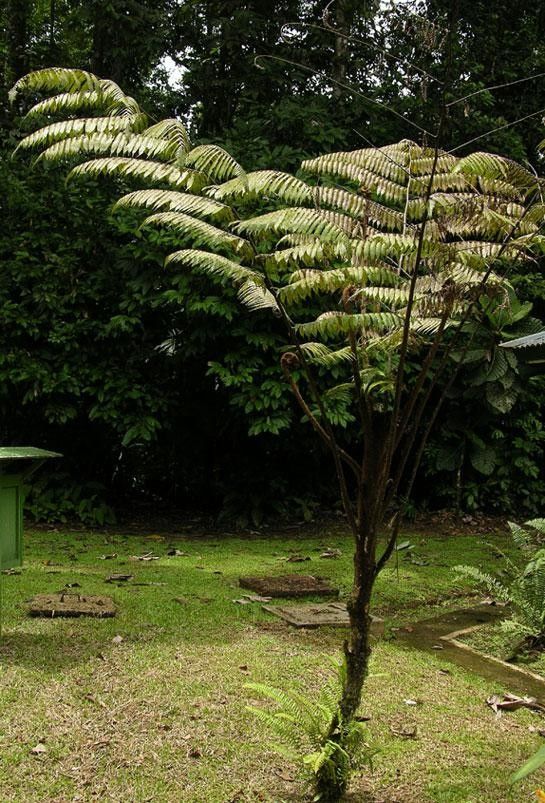
Unfurling Ancient Giants: Propagating the Majestic Alsophila cuspidata
The Alsophila cuspidata, known for its imposing size and prehistoric beauty, is a tree fern that evokes images of primeval forests. While acquiring an established specimen can be costly, propagating your own “cuspidata” is a rewarding challenge for dedicated plant enthusiasts. Let’s delve into the fascinating world of Alsophila cuspidata propagation.
Understanding the Fern Lifecycle:
Unlike most plants we propagate, ferns don’t produce flowers or seeds. Instead, they rely on spores – tiny, dust-like particles, for reproduction. Imagine them as microscopic adventurers, each carrying the blueprint of a new fern. To successfully propagate Alsophila cuspidata, understanding their lifecycle is key:
- Spores: Found on the underside of mature fronds in clusters called sori, these hold the genetic material.
- Gametophyte: When spores land on a suitable surface, they develop into a heart-shaped structure called a gametophyte. This inconspicuous stage produces the fern’s reproductive organs.
- Fertilization: Moisture is crucial! Water allows the sperm from one gametophyte to reach the egg of another, leading to fertilization.
- Sporophyte: This fertilized egg develops into the familiar fern plant – the Alsophila cuspidata we recognize and admire.
Propagating from Spores: A Labor of Love and Patience
Propagating Alsophila cuspidata from spores is a delicate process requiring meticulous care and significant patience. Here are the essential steps:
- Spore Collection: Gently scrape mature, brown sori from the underside of fronds using a sterile blade or collect them in a paper bag.
- Spore Sowing: Prepare a sterile, well-drained growing medium – a mix of peat moss and perlite works well. Surface sow the spores, avoiding burying them.
- Creating the Ideal Environment: Moisture and humidity are crucial. Place the pot in a clear container or cover it with plastic wrap to create a humid microclimate. Provide indirect light and maintain temperatures between 65-75°F (18-24°C).
- Germination and Growth: Germination can take several weeks to months. Be patient and watch for a green film appearing on the surface – these are the gametophytes.
- Fertilization: Remember that ferns need water for fertilization. Mist the surface regularly with distilled water, allowing water to collect briefly on the surface.
- Transplanting: Once young sporophytes emerge and develop several fronds, carefully transplant them into individual pots.
Alternative Method: Rhizome Division (For Experienced Growers)
Alsophila cuspidata can also be propagated by dividing the rhizome, which is the fern’s underground stem. This method is more complex and suited for mature plants with multiple crowns. It involves carefully separating the rhizome and potting the divisions. However, spore propagation is generally recommended for its higher success rate.
Challenges and Rewards:
Propagating Alsophila cuspidata is a test of patience and dedication. Maintaining sterile conditions, providing optimal humidity, and patiently waiting for germination can be demanding. However, the reward of nurturing these ancient giants from microscopic spores into towering ferns is an immensely gratifying experience. Imagine the satisfaction of watching your very own Alsophila cuspidata unfurl its magnificent fronds, adding a touch of prehistory to your home or garden!