
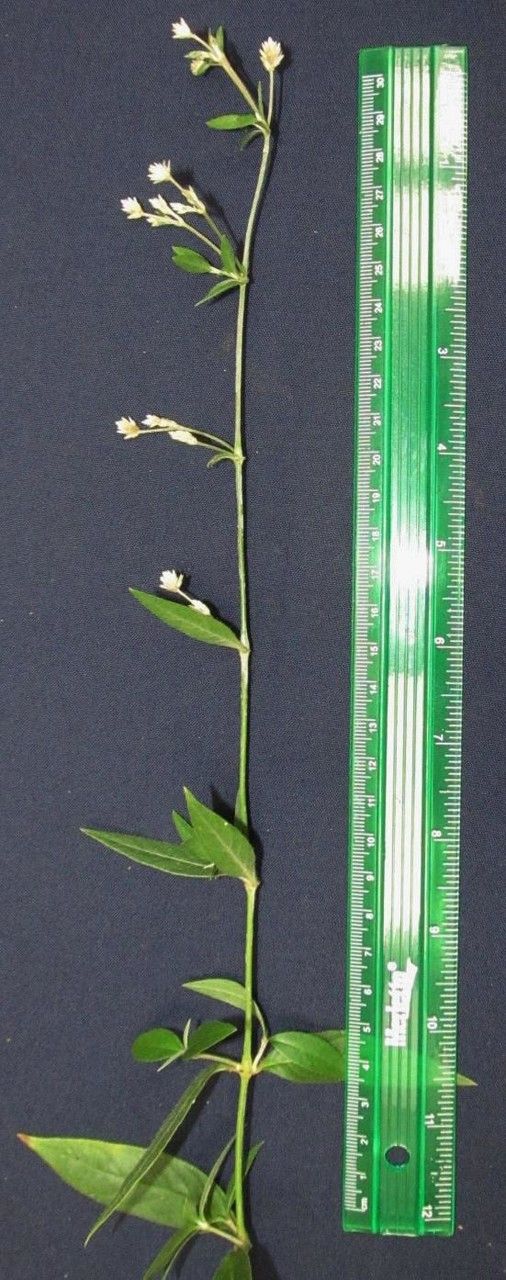
From One Plant to Many: A Guide to Propagating Alternanthera laguroides (Joseph’s Coat)
Alternanthera laguroides, often known as Joseph’s Coat, is a striking addition to any garden or indoor space. Its vibrant, colorful leaves, ranging in shades of green, red, yellow, and even purple, bring a burst of life and interest to any arrangement. But did you know you can easily create more of this beauty from your existing plant? That’s right, propagating Joseph’s Coat is relatively straightforward, allowing you to share the magic of this plant with friends, fill your own home with more of its charm, or simply create a stunning collection of colorful foliage.
Understanding Propagation Methods:
Joseph’s Coat is readily propagated through two main methods:
- Stem Cuttings: This is the most popular and accessible method for home gardeners. It involves taking healthy stem cuttings from your mother plant, encouraging them to develop roots and grow into new plants.
- Layering: This method involves encouraging the plant to root while still attached to the mother plant, creating a new, rooted plant that can be easily separated.
Step-by-Step Guide to Propagation through Stem Cuttings:
- Select Your Cuttings: Choose healthy, non-flowering stems from your Joseph’s Coat. Ideally, select stems with multiple nodes (the points where leaves grow from the stem).
- Prepare the Cuttings: Cut the stems at an angle just below a node, using a sharp, clean pair of scissors or pruning shears. Remove the leaves from the bottom few nodes, leaving at least 2-3 nodes intact.
- Rooting Hormone (Optional): Applying a rooting hormone powder or gel to the cut end can stimulate root development. However, this is not essential, and Joseph’s Coat propagates well without it.
- Planting Medium: Prepare a pot with a well-draining potting mix. Choose a pot appropriate for the size of your cuttings.
- Plant the Cuttings: Insert the prepared cuttings into the potting mix, ensuring that at least one node is buried beneath the soil.
- Watering: Water thoroughly, keeping the soil consistently moist but not waterlogged.
- Humidity: Create a humid environment around the cuttings by placing a clear plastic bag or dome over the pot. This helps maintain humidity and encourages root development.
- Light: Place the pot in bright, indirect light, avoiding direct sunlight.
- Patience: It can take a few weeks for the cuttings to develop roots. Be patient, and gently check for signs of new growth to indicate successful root development.
- Repotting: Once the cuttings have established roots and new growth appears, you can gently repot them into individual containers.
Layering for Joseph’s Coat
While less common, layering is a viable option for propagating Joseph’s Coat. This method involves bending a stem of the mother plant into the soil and encouraging it to root while still attached. It is a less invasive technique ideal for those who prefer not to sever stems from the mother plant.
Advantages of Propagation:
- Affordable and Accessible: Propagation is an affordable way to expand your collection of Joseph’s Coat plants.
- Genetic Continuity: Propagation from your existing plant ensures genetic consistency, retaining the unique traits of your original plant.
- Sharing the Joy: Propagated plants make wonderful gifts for fellow plant enthusiasts.
Enjoy the Beauty and Benefits of Propagation
By employing these simple propagation techniques, you can easily create new Joseph’s Coat plants, adding vibrant life and color to your home, garden, or to share with others. So, get your hands dirty, embrace the process, and enjoy the rewarding experience of bringing new life from your treasured Joseph’s Coat plant.