
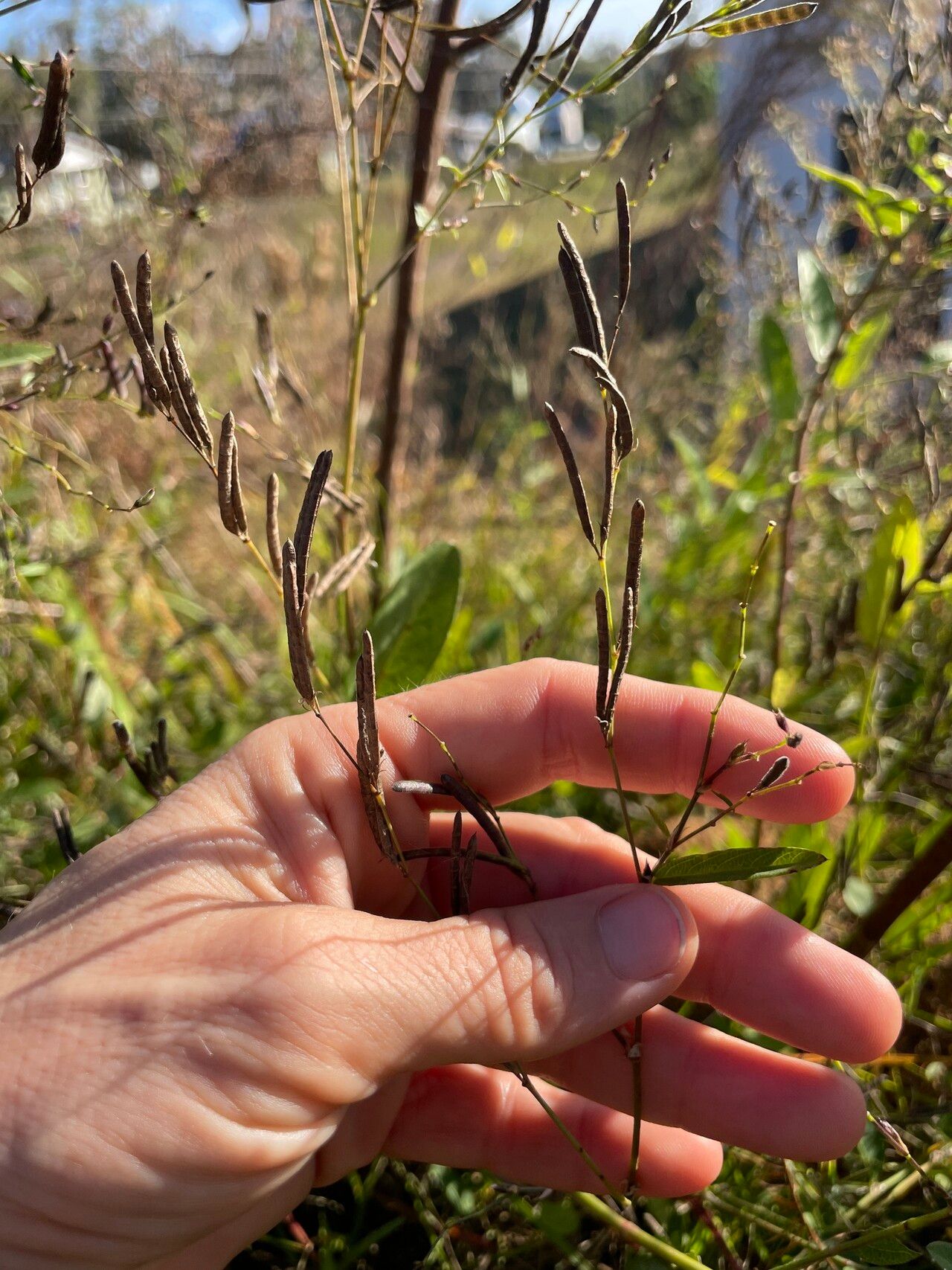
From Seed to Success: Propagating Alysicarpus ovalifolius, the Versatile Legume
Alysicarpus ovalifolius, a humble yet hardy legume, is gaining popularity for its diverse benefits. From its use as a valuable fodder crop to its role in soil fertility restoration, this plant is proving to be a valuable asset in various agricultural and ecological settings. And the best part? You can easily propagate it yourself!
Where to Start: The Seed of Success
The easiest and most common way to propagate Alysicarpus ovalifolius is through seeds. These tiny treasures are readily available, either collected from mature plants or purchased from reputable seed suppliers.
Timing is Key: When to Sow
Alysicarpus ovalifolius is a warm-season legume, meaning it thrives in warmer temperatures. The ideal time to sow your seeds is during the spring or early summer when the soil has warmed up. However, depending on your location, you can extend the sowing season into late summer or even early fall.
Prepare the Soil: Laying the Foundation for Growth
Just like any other plant, Alysicarpus ovalifolius appreciates well-drained soil. Before sowing your seeds, loosen the soil with a garden fork or tiller, ensuring there are no large clumps. You can also incorporate some organic matter like compost to improve soil structure and nutrient content.
Sowing Techniques: Choosing the Right Method
There are two main sowing methods you can use:
- Direct sowing: This involves simply scattering the seeds directly onto the prepared soil surface. To ensure good germination, ensure the seeds aren’t buried too deep, only a quarter of an inch or so below the soil surface.
- Seed trays: For greater control and easier handling, consider starting your seeds in seed trays filled with a quality seed starting mix. Keep the trays moist and in a warm, sunny location, and watch as your seedlings emerge. Once the seedlings have developed a few true leaves, they can be transplanted into your garden.
Nurturing Young Plants: Providing Optimal Care
Once your seedlings have emerged, consistent watering is key. Ensure the soil remains moist but not waterlogged. Thin out the seedlings if they are crowded, allowing them to grow and develop strong roots.
Harvesting the Bounty: Time to Reap the Rewards
Alysicarpus ovalifolius typically reaches maturity around 60-90 days after sowing. You can harvest the young shoots and leaves for fodder or allow the plants to flower and produce seeds, which can be used for future propagation.
Beyond Seeds: Exploring Other Propagation Methods
While seed propagation is the most common method, Alysicarpus ovalifolius can also be successfully propagated through cuttings. This method is best suited for established plants, allowing you to quickly increase your stock.
Conclusion: Alysicarpus ovalifolius – A Plant to Plant and Prosper
Alysicarpus ovalifolius is a low-maintenance, resilient, and versatile legume with numerous benefits. Propagating this valuable plant is a rewarding experience, enabling you to create a sustainable and thriving ecosystem while benefiting from its various uses. So, embark on your propagation journey and watch as your Alysicarpus ovalifolius thrives, sharing its benefits with you and the environment.