
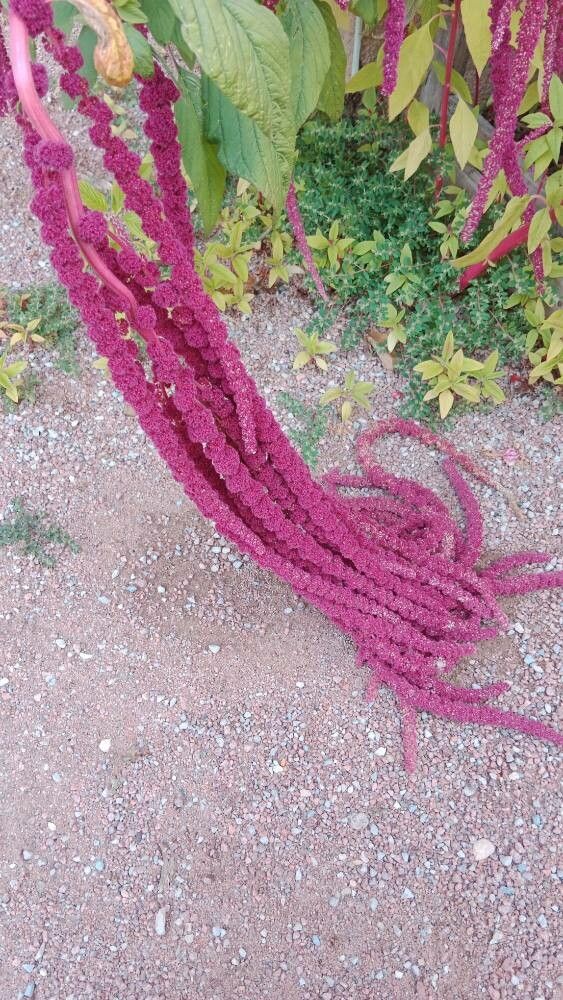
Unleash a Cascade of Color: Propagating Love-Lies-Bleeding (Amaranthus caudatus)
Love-lies-bleeding, with its dramatic cascading tassels of crimson, is a showstopper in any garden. But this beauty isn’t just visually arresting; it’s also remarkably easy to propagate, allowing you to easily multiply your fiery floral display or share the joy with friends.
Here’s your guide to successfully propagating Amaranthus caudatus:
Two Paths to Propagation:
You can propagate love-lies-bleeding in two ways:
- Seeds: The most common and straightforward method.
- Cuttings: A slightly faster method for experienced gardeners.
Let’s explore each in detail:
1. Seed Starting Success:
- Timing is Key: Sow seeds indoors 6-8 weeks before your last frost date. This gives them a head start and ensures robust plants later.
- Sowing with Care: Use a seed-starting mix and lightly press the seeds onto the surface. Don’t bury them; they need light to germinate.
- Warmth and Moisture: A consistent temperature between 70-75°F (21-24°C) is ideal. Keep the soil moist but not soggy using a spray bottle to avoid disturbing the tiny seeds.
- Basking in Light: Once seedlings emerge (7-14 days), provide ample bright, indirect light. A sunny windowsill or grow lights will do the trick.
- Thinning the Herd: If multiple seedlings sprout in one cell, pinch off the weaker ones, leaving the strongest to flourish.
- Transplanting Time: Harden off your seedlings by gradually acclimating them to outdoor conditions over a week. When the danger of frost has passed, transplant them into fertile, well-drained soil in a sunny location.
2. Cutting to the Chase:
- The Right Timing: Take cuttings from healthy, non-flowering stems in late spring or early summer.
- Cutting with Precision: Aim for cuttings 4-6 inches long, making a clean cut just below a leaf node.
- Prepare the Cuttings: Remove the lower leaves, leaving 2-3 at the top. Dip the cut end in rooting hormone (optional but helpful)
- Potting Up: Plant the cuttings in a well-draining potting mix, burying the leaf node.
- Creating a Humid Haven: Cover the pot with a plastic bag or use a humidity dome to retain moisture and promote rooting.
- Rooting Out the Truth: Check for roots after 3-4 weeks. Gently tug on the cutting; resistance means roots have formed!
- Gradual Acclimation: Once roots develop, slowly acclimate the cuttings to outdoor conditions before transplanting them to their final spot.
Tips for Thriving Love-Lies-Bleeding:
- Sun Worshippers: Plant them in full sun (at least 6 hours of direct sunlight) for the most vibrant color and abundant blooms.
- Water Wisely: Water deeply, but allow the soil to dry slightly between waterings. Amaranthus is somewhat drought-tolerant once established.
- Food for Thought: While not heavy feeders, a balanced fertilizer applied monthly during the growing season encourages robust growth and blooms.
- Staking for Support: Taller varieties might need staking to prevent them from flopping over, especially in windy conditions.
With a little care and attention, you’ll be rewarded with an explosion of cascading color throughout the summer and fall. Propagating love-lies-bleeding is a rewarding experience that lets you spread the love (and the drama) of this remarkable plant.