
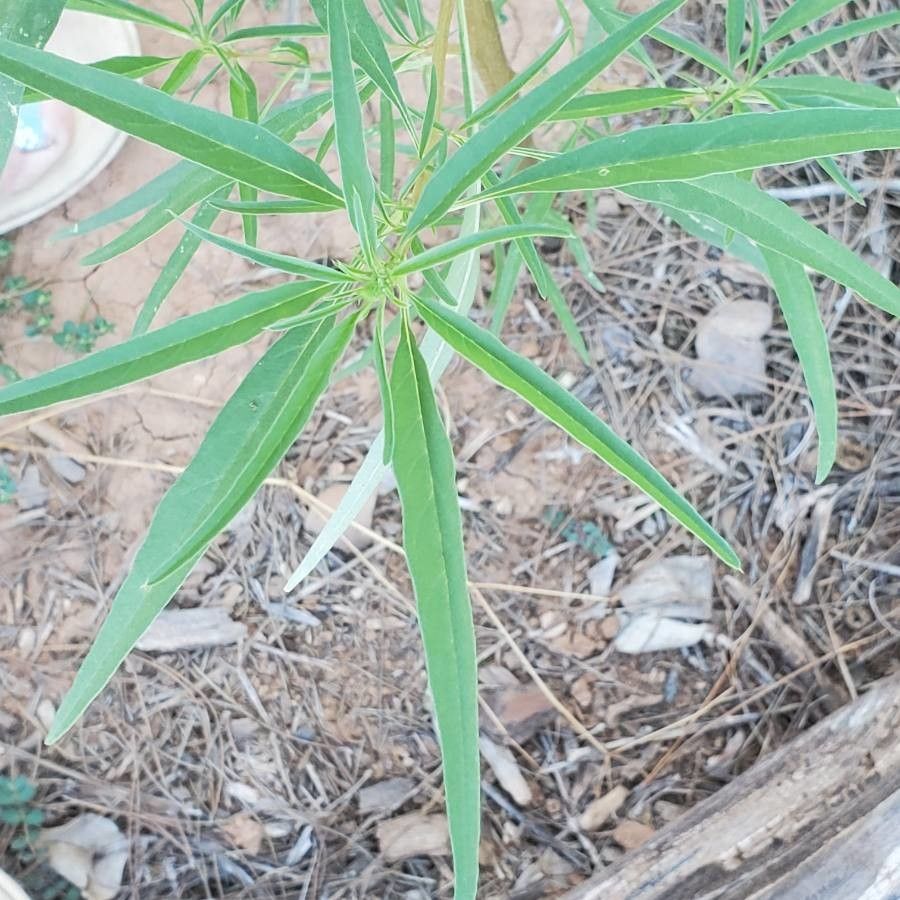
Feathery Friends From Seed: A Guide to Propagating Amaranthus fimbriatus
Amaranthus fimbriatus, also known as fringed amaranth or tassel flower, is a unique and visually stunning annual that deserves a spot in any sun-loving garden. With its vibrant, drooping flower tassels that resemble fluffy chenille, this plant adds texture, color, and a touch of whimsy to borders, containers, and even dried flower arrangements.
While you might be able to find A. fimbriatus seedlings at specialty nurseries, propagating them yourself is incredibly rewarding and surprisingly easy. Here’s a comprehensive guide to get you started:
Two Paths to Propagation: Seeds or Cuttings
A. fimbriatus offers two primary methods of propagation:
- Seeds: The most common and straightforward approach, especially for beginners.
- Cuttings: A slightly more advanced method, ideal for replicating specific plant characteristics or quickly expanding your collection.
Method 1: Sowing Seeds for Success
- Timing is Key: Start seeds indoors 6-8 weeks before the last expected frost. A. fimbriatus thrives in warm temperatures, so direct sowing is possible after the soil has warmed and all danger of frost has passed.
- Sowing the Seeds: Use a seed starting mix and lightly press the tiny seeds into the surface, barely covering them. Keep the soil consistently moist but not soggy.
- Light and Warmth: Place the seed tray in a bright location, but avoid direct sunlight until germination. A heat mat can speed up germination, aiming for a consistent temperature of 70-75°F (21-24°C).
- Transplanting Time: Once seedlings develop a couple of sets of true leaves and are about 3-4 inches tall, harden them off gradually by introducing them to outdoor conditions for increasingly longer periods each day. After a week, they’re ready for their permanent home in the garden.
Method 2: Mastering Propagation Through Cuttings:
- Selecting the Right Cuttings: Take cuttings from healthy, non-flowering stems in the early morning when the plant is most hydrated. Aim for sections that are 4-6 inches long.
- Preparing the Cuttings: Remove the lower leaves from the cutting, leaving only a few at the top. Dip the cut end in rooting hormone (optional but helpful) and gently tap off any excess.
- Planting the Cuttings: Insert the cuttings into a well-draining potting mix, ensuring at least one node is buried beneath the soil surface. Water thoroughly.
- Creating a Humid Environment: To encourage rooting, cover the pot with a plastic bag or a humidity dome. This helps to retain moisture and promotes a favorable environment for root development.
- Patience is Key: Keep the soil consistently moist and place the cuttings in a bright location out of direct sunlight. Roots should develop in 4-6 weeks, at which point you can gradually acclimate the plants to outdoor conditions before transplanting them.
Tips for Thriving Amaranthus fimbriatus:
- Sunlight is Essential: Plant A. fimbriatus in a location that receives at least 6 hours of direct sunlight per day for the most vibrant flower colors and robust growth.
- Well-Drained Soil is Crucial: These plants prefer well-drained soil and are relatively drought-tolerant once established. However, consistent watering, especially during dry spells, will promote optimal growth and flowering.
- Fertilizer is Friend: While not heavy feeders, A. fimbriatus benefits from a balanced, slow-release fertilizer applied at the time of planting.
- Pinch Back for Fullness: Pinching back the growing tips of young plants encourages bushier growth and a more abundant display of those charming flower tassels.
Propagating and cultivating Amaranthus fimbriatus is a rewarding experience for gardeners of all skill levels. With a bit of care and attention, you can enjoy the unique beauty of this fascinating plant in your own backyard.