
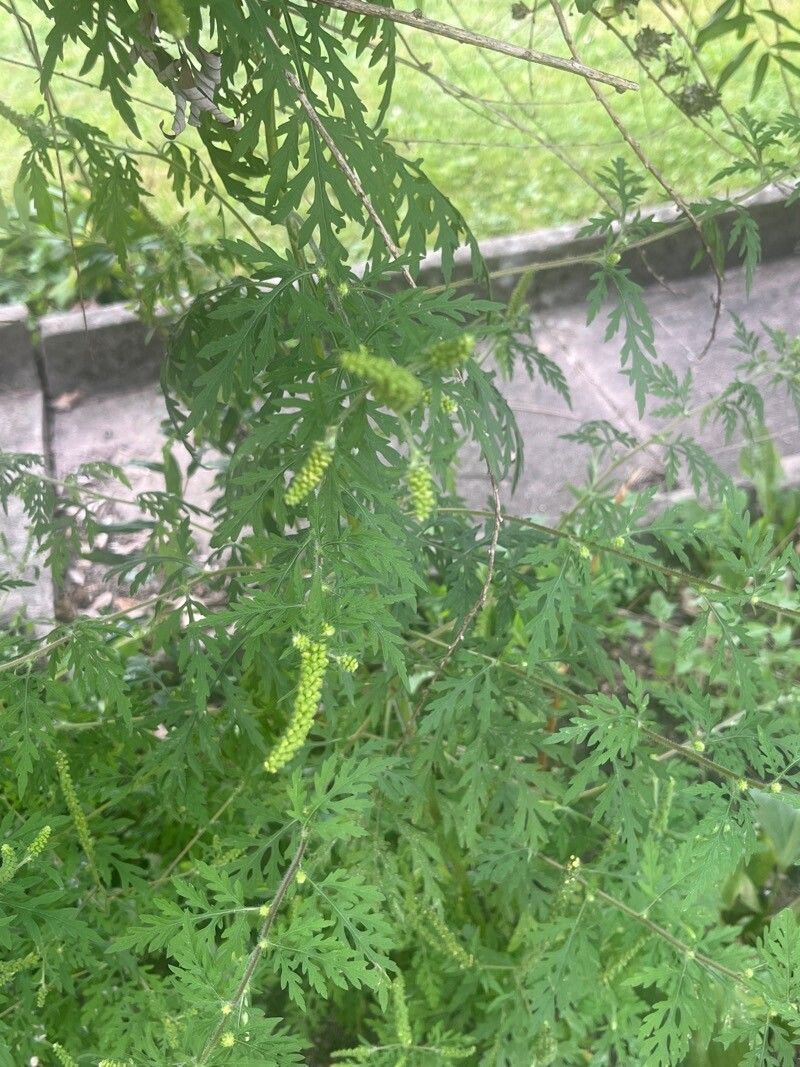
Ragweed: The Not-So-Romantic Side of Propagation
You might be surprised to learn that ragweed, the bane of allergy sufferers everywhere, is actually a remarkably efficient plant when it comes to reproducing. While we’d all prefer to keep this plant at bay, understanding its propagation methods can help us better control its spread.
Ragweed: The Master of Multiplication
Ragweed (Ambrosia artemisiifolia) doesn’t play by the conventional rules of plant propagation. It doesn’t rely on fancy flowers or attractive fruits to attract pollinators. Instead, it has mastered the art of self-sufficiency: it relies predominantly on wind pollination and seed dispersal.
Seed Power:
- Explosive Release: Each ragweed plant can produce thousands of tiny seeds. These seeds mature within the plant’s inconspicuous flowers and are released in a burst of energy, carried by the wind far and wide.
- Long-Lasting Viability: These seeds are remarkably resilient, able to remain dormant in the soil for years, waiting for the perfect conditions to germinate.
- Deep Roots: Ragweed’s roots can penetrate the soil over a foot deep, making it challenging to eradicate completely.
A Little Help from Friends:
While wind plays a pivotal role in ragweed’s reproduction, sometimes it receives a little assistance:
- Human Interference: Accidental transport of contaminated soil or seeds through farming equipment, construction vehicles, and even shoes can spread ragweed to new locations.
- Water Movements: Floods and water runoff can carry seeds downstream, establishing new colonies.
Fighting Back: Preventing Ragweed Propagation
Knowing how ragweed reproduces is crucial to controlling its spread. Here’s how to fight back:
- Early Detection and Removal: Be vigilant in your garden, identifying ragweed plants early before they have a chance to produce seeds.
- Mowing and Cutting: Regularly mow your lawn and cut down any ragweed plants before they flower, ensuring they don’t release their seeds.
- Soil Sterilization: If you suspect a heavily infested area, consider soil sterilization methods to kill existing seeds.
- Careful Landscaping: Opt for non-invasive, native plant species to minimize the risk of ragweed taking root.
- Safe Seed and Soil Practices: Be mindful of cross-contamination when using bagged soil or seeds, ensuring they are ragweed-free.
- Consider Herbicides: While a last resort, herbicides (always used carefully and according to product instructions) can be effective in controlling larger infestations.
The Big Picture: Why This Matters
Ragweed’s aggressive propagation has significant consequences:
- Allergy Epidemic: Ragweed pollen is a major trigger for seasonal allergies, affecting millions of people every year.
- Economic Impact: Allergy-related issues lead to healthcare costs, lost productivity at work, and diminished quality of life.
- Environmental Concerns: Ragweed outcompetes native plants, disrupting ecosystems and reducing biodiversity.
Understanding ragweed’s impressive reproductive capabilities is essential in our efforts to control its spread. By being proactive, knowledgeable, and responsible gardeners, we can minimize the impact of this pesky plant and enjoy allergy-free days.