
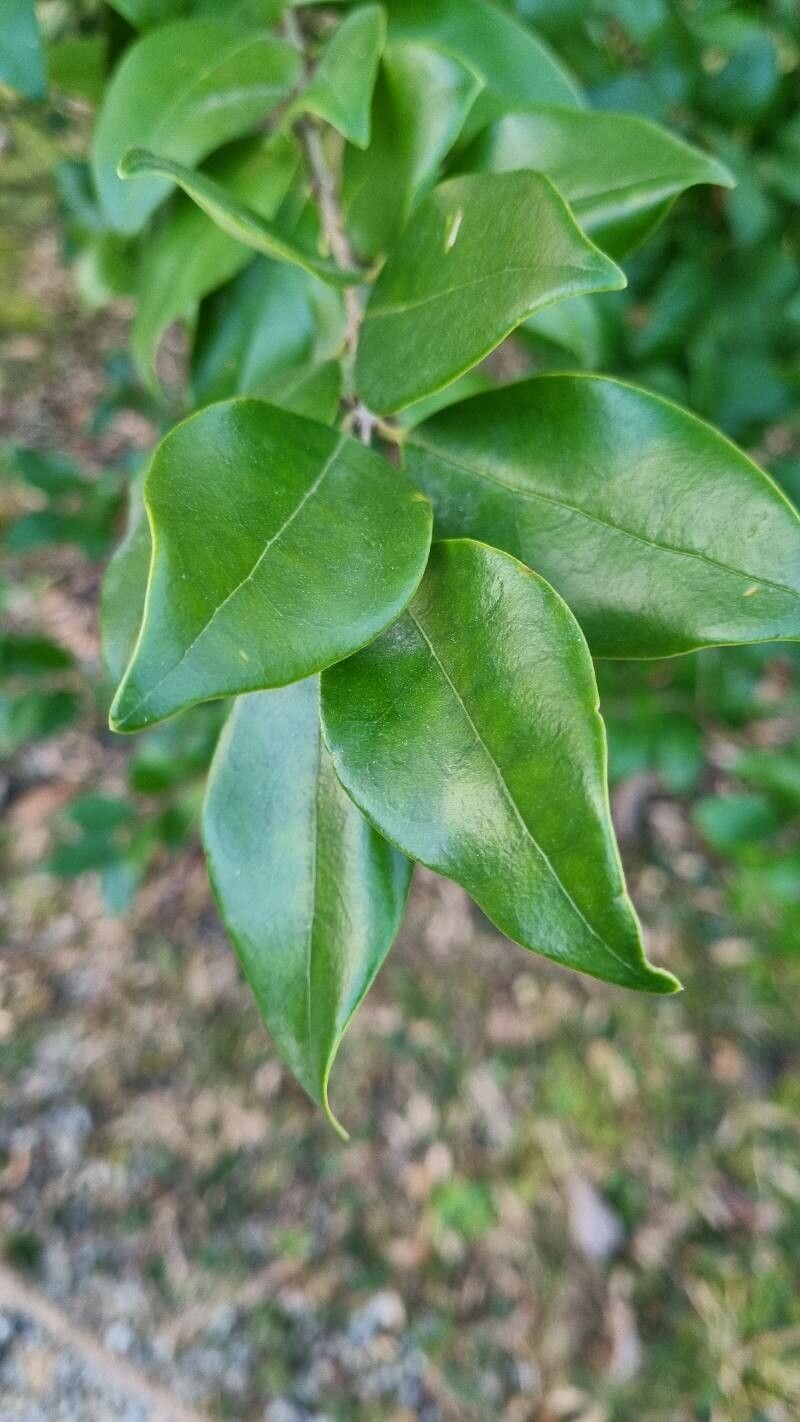
From One to Many: Propagating Your Amomyrtus meli (Myrtle)
The Amomyrtus meli, often referred to as the “Myrtle” due to its resemblance to the European myrtle, is a beautiful and fragrant plant that can add a touch of Mediterranean charm to your garden. But what if you could have more of its beauty? Propagation is a wonderful way to expand your garden and share this delightful plant with friends.
Why Propagate?
Propagating your myrtle offers several advantages:
- Free Plants: Save money by creating new plants from cuttings or seeds you already have.
- Preserve Unique Traits: If you have a special variety with unique characteristics, propagation ensures you can create more plants like it.
- Enjoy the Process: The process of propagation is rewarding and a great way to connect with the natural world.
Methods for Propagating Amomyrtus meli:
1. Taking Cuttings:
- Timing is Key: The best time for taking myrtle cuttings is in the spring or summer when the plant is actively growing. Choose healthy, non-flowering stems.
- Cut and Prepare: Cut a stem about 4-6 inches long, just below a node (where a leaf grows). Remove the lower leaves and any flowers or buds.
- Rooting Hormone: Dipping the cut end in rooting hormone is optional but can increase success rates.
- The Planting Medium: Use a well-draining potting mix and pot the cuttings in a small pot or seed tray. Place them in a warm, bright location with indirect light.
- Keep Moist (But Not Soggy): Keep the soil consistently moist, but avoid overwatering. A clear plastic dome or bag placed over the cuttings create humidity and helps root development.
2. Starting from Seed:
- Collecting Seeds: Harvest the seeds from mature berries, which will turn dark blue-black when ripe.
- Preparation: Clean the seeds and allow them to dry thoroughly.
- Sowing: Sow the seeds in a seed tray filled with a seed starting mix. Maintain a consistent temperature of around 65-75°F. (18-24°C).
- Germination: Myrtle seeds can take several weeks to germinate. This is a slower process, and patience is key.
Tips for Success:
- Avoid Overwatering: Myrtle cuttings are prone to rot if the soil is too wet. Allow the top inch of soil to dry out before watering.
- Protect from Frost: Myrtle is not tolerant to cold weather. If you live in a frost-prone area, propagate indoors or bring them inside during the winter months.
- Be Patient: Propagation can be a rewarding but sometimes slow process. Don’t be discouraged if it takes a little time for your cuttings to root or seeds to germinate.
Growing Your New Myrtle Plants:
Once your cuttings or seedlings have developed strong roots, you can transplant them into larger pots or directly into your garden.
Remember:
- Choose a sunny location in your garden.
- Provide well-drained soil.
- Water regularly during dry periods, especially during the establishment phase.
With a little effort and patience, you can easily grow new myrtle plants, bringing the beauty and fragrance of this Mediterranean delight to your own space. So why not give propagation a try and enjoy the satisfaction of watching your little cuttings transform into thriving shrubs?