
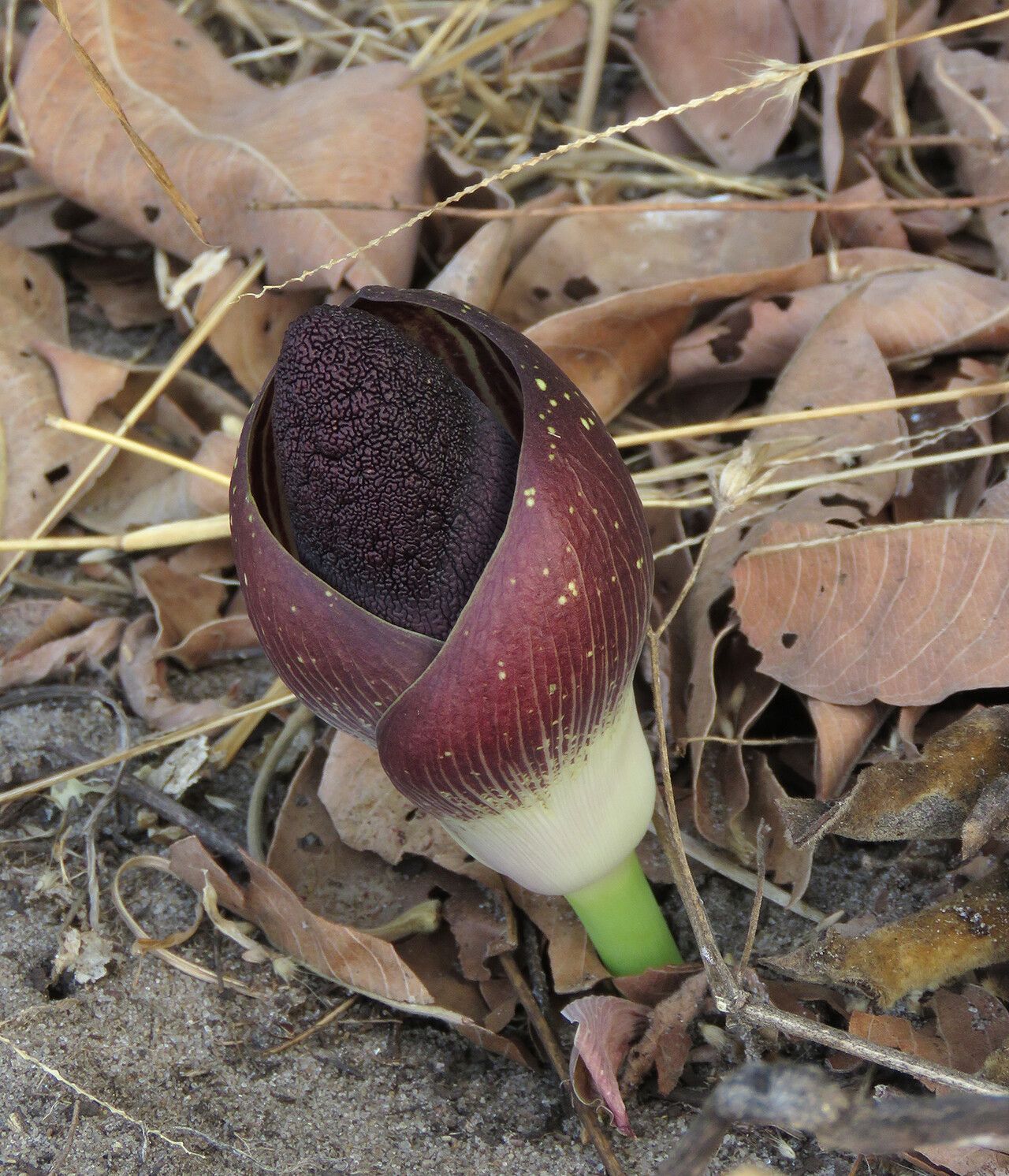
Unearthing the Secrets to Propagating the Elusive Amorphophallus aphyllus
The world of plants is brimming with the bizarre and wonderful, and few species embody this better than Amorphophallus aphyllus. This fascinating plant, a relative of the infamous Corpse Flower, intrigues with its unique life cycle and intriguing appearance. If you’re lucky enough to be the caretaker of one of these botanical oddities, you might wonder about the secrets to propagating it. While not for the faint of heart (or nose!), successfully propagating an Amorphophallus aphyllus can be a rewarding experience for the adventurous plant enthusiast.
Understanding the Beast:
Before diving into propagation, it’s crucial to understand this plant’s unique life cycle. Amorphophallus aphyllus, unlike many plants, spends most of its life underground as a dormant tuber. From this tuber emerges a single, striking inflorescence (flower structure) before any leaves appear. This inflorescence, unfortunately, earns the plant its place amongst the stinkiest in the world! The pungent aroma, often likened to rotting meat, is a clever evolutionary tactic to attract pollinators like flies and beetles.
Propagation Methods:
Seed Propagation: The most common – and arguably most challenging – method is through seed. Fresh seeds offer the highest viability. After the pungent display of the inflorescence, if pollination was successful, bright orange berries will develop. These berries contain the seeds. Sow them in a well-draining mix that mimics their natural habitat, keeping the humidity high and the temperature consistently warm (around 75-85°F). Be patient; germination can take several weeks or even months.
- Tuber Offsets: In some cases, mature Amorphophallus aphyllus will produce small offsets or “pups” from the main tuber. This method, although not as common, offers a quicker and often more reliable way to propagate. Carefully separate these offsets during the plant’s dormancy period, ensuring each offset has some roots attached. Plant them individually in a well-draining mix, keeping the conditions similar to those for seed propagation.
Essential Care for Successful Propagation:
Well-draining soil: Avoid waterlogged soil at all costs. A mix specifically formulated for succulents and cacti works well.
Warmth and Humidity: Mimic the plant’s natural tropical environment with warmth and humidity. A seedling heat mat or a simple enclosed propagation setup can be beneficial.
- Patience is Key: Amorphophallus aphyllus is known for its slow growth. Don’t be discouraged if you don’t see immediate results. Keep the environment consistent, and be rewarded with the satisfaction of witnessing this unusual plant’s development.
The Rewards of Perseverance:
Successfully propagating an Amorphophallus aphyllus is no small feat. However, witnessing the emergence of a new plant from a tiny seed or a small offset is an immensely rewarding experience for any plant lover. While it may be a bit smelly along the way, the unique beauty and unusual nature of Amorphophallus aphyllus make it an incredibly fascinating addition to any plant enthusiast’s collection.