
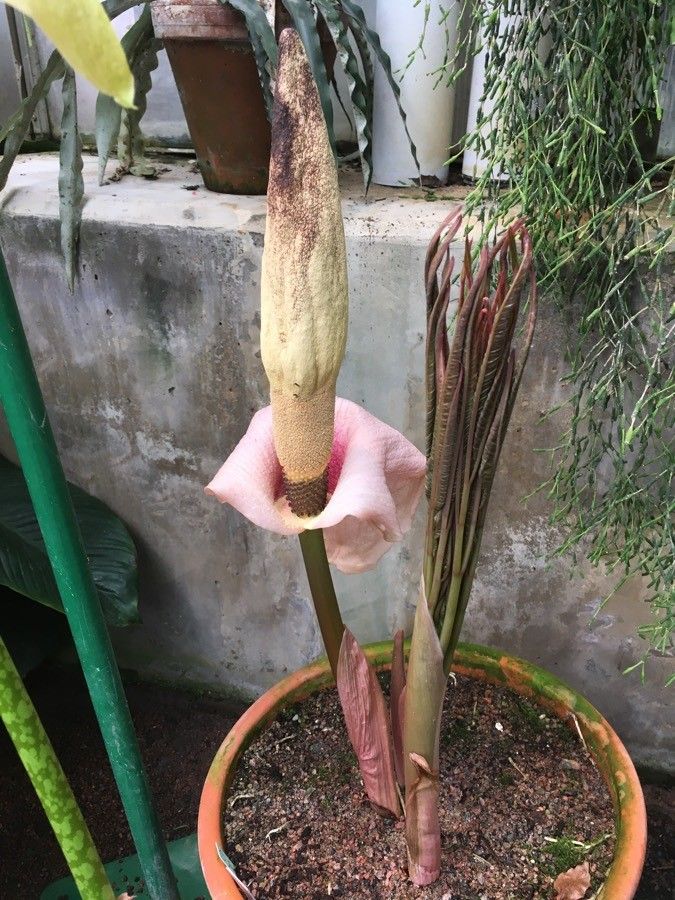
Awakening the Sleeping Giant: Propagating Your Amorphophallus cicatricifer
The Amorphophallus cicatricifer, also known as the “Elephant Foot Yam” or “Voodoo Lily,” is not your average houseplant. Hailing from the rainforests of Southeast Asia, this botanical oddity captivates with its massive, deeply lobed leaf and its infamous, pungent (some might say, putrid) flower. But for those intrigued by its bizarre beauty, propagating this giant presents a unique horticultural challenge.
While patience is key for any propagation endeavor, success with the Amorphophallus cicatricifer hinges on understanding its unique lifecycle. Let’s delve into the two main methods for multiplying your collection:
1. Division of Tubers:
Just like potatoes, the Amorphophallus cicatricifer stores energy in underground tubers. As the plant matures, these tubers can develop offsets or “pups” – smaller, independent tubers that can be separated and grown into individual plants.
- Timing is Everything: The best time for division is during the dormant season, when the plant’s leaf has withered and died back. This typically occurs in late fall or winter.
- Careful Excavation: Gently dig up the dormant tuber, taking care not to damage any offsets.
- Sharp Separation: Using a clean, sharp knife or pruning shears, carefully separate the offsets from the parent tuber, ensuring each pup has some roots attached.
- Potting Up: Plant the offsets individually in well-draining potting mix, with the top of the tuber just below the soil surface. Water sparingly until new growth emerges.
2. Seed Propagation (For the Adventurous):
While more challenging, propagating from seed offers a rewarding experience and the potential for unique variations in your plants.
- Securing the Seeds: Amorphophallus cicatricifer produces a large, fleshy fruit structure that contains numerous seeds. Obtaining seeds typically requires sourcing them from specialized nurseries or online retailers.
- Sowing the Seeds: Sow the seeds in a well-draining seed starting mix, lightly covering them with a thin layer of soil.
- Providing the Right Environment: The key to successful germination is maintaining consistent warmth and humidity. A seedling heat mat and humidity dome can be beneficial.
- Time and Patience: Germination can take several weeks or even months. Once seedlings emerge, provide bright, indirect light and allow the soil to dry slightly between waterings.
Important Considerations:
- Dormancy Period: Amorphophallus cicatricifer go through a period of dormancy every year, shedding their leaves and entering a resting phase. Don’t be alarmed! This is perfectly normal. Reduce watering during this time and resume regular care when new growth appears.
- Potting Medium: A well-draining potting mix is crucial to prevent tuber rot. A blend of peat moss, perlite, and bark chips works well.
- Light and Temperature: These plants thrive in bright, indirect light and warm temperatures (above 65°F). Avoid exposing them to direct sunlight or cold drafts.
Propagating your Amorphophallus cicatricifer can be an exciting journey for any plant enthusiast. While both techniques require patience and a gentle touch, the reward of witnessing a new generation of these magnificent plants is well worth the effort. So, whether you choose to divide tubers or try your hand at seed propagation, embrace the challenge and marvel at the wonder of this botanical giant!