
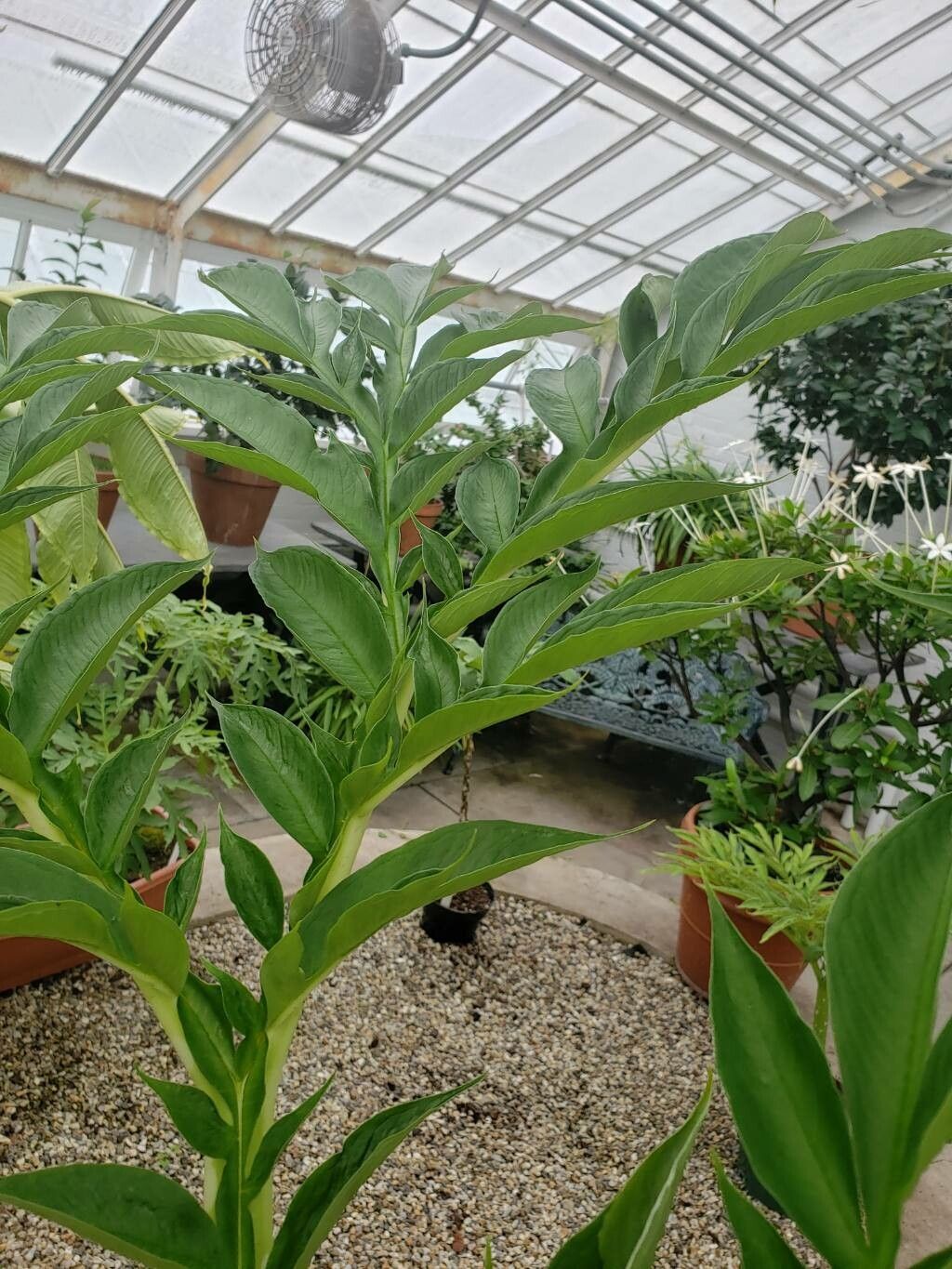
From Seed to Majesty: Unveiling the Secrets of Amorphophallus prainii Propagation
The Amorphophallus prainii, with its captivating, otherworldly beauty, is a plant coveted by many. Often mistaken for a giant lily, this captivating species, native to the forests of Southeast Asia, captivates with its striking maroon and white spathe, resembling a dramatic, almost alien flower. But for those wanting to grow this unique treasure, a crucial question arises: how can you propagate it?
The Magic of Seed: A Patient Journey
Propagation of Amorphophallus prainii typically involves two methods: seed propagation and division. Let’s start with the seed method, a journey of patience and meticulous care.
- Collecting the Seeds: The seeds are tiny, usually found within the spathe after pollination. They can be collected from mature plants or obtained from specialized nurseries.
- Sowing the Seeds: Seed germination in A. prainii is notoriously slow, often taking several months. Use a well-draining, slightly acidic potting mix. Sterilization is essential to prevent fungal infections.
- Patience is Key: Keep the seeds in a warm, humid environment with indirect sunlight. Be patient! Seedlings may emerge after a few weeks or even months.
- Nurturing the Young: Regular watering and fertilization are essential for the young seedlings, which will develop slowly over the first few years.
Harnessing the Power of Division: A Faster Approach
While seed propagation takes time, division offers a faster route to increase your A. prainii population.
- The Right Time: The best time to divide A. prainii is in the spring, just before the plant begins to actively grow.
- Preparing the Plant: Dig up the parent plant and gently shake off excess soil. Identify the new growth points, called cormlets, which are smaller versions of the main corm (the bulb-like underground storage organ).
- Separating and Planting: Carefully separate the cormlets from the main corm using a clean sharp knife. Plant them in separate pots with well-draining soil, ensuring the cormlets are buried about two inches deep.
Providing the Optimal Environment for Growth
Regardless of the propagation method you choose, providing the right environment is crucial for success.
- Light: A. prainii thrives in partial shade, avoiding direct sunlight that can scorch its leaves.
- Warmth: This tropical plant requires warm temperatures, ideally between 65 and 80 degrees Fahrenheit.
- Humidity: High humidity is essential for healthy growth. Misting the plant regularly or placing it on a pebble tray with water can help.
The Joy of Seeing Your Efforts Bloom
From the first tiny seedling to the dramatic unfolding of the spathe, propagating Amorphophallus prainii is a rewarding experience. Patience, proper care, and the right environment will guide you to witness the captivating beauty of this unique plant in your own home.