
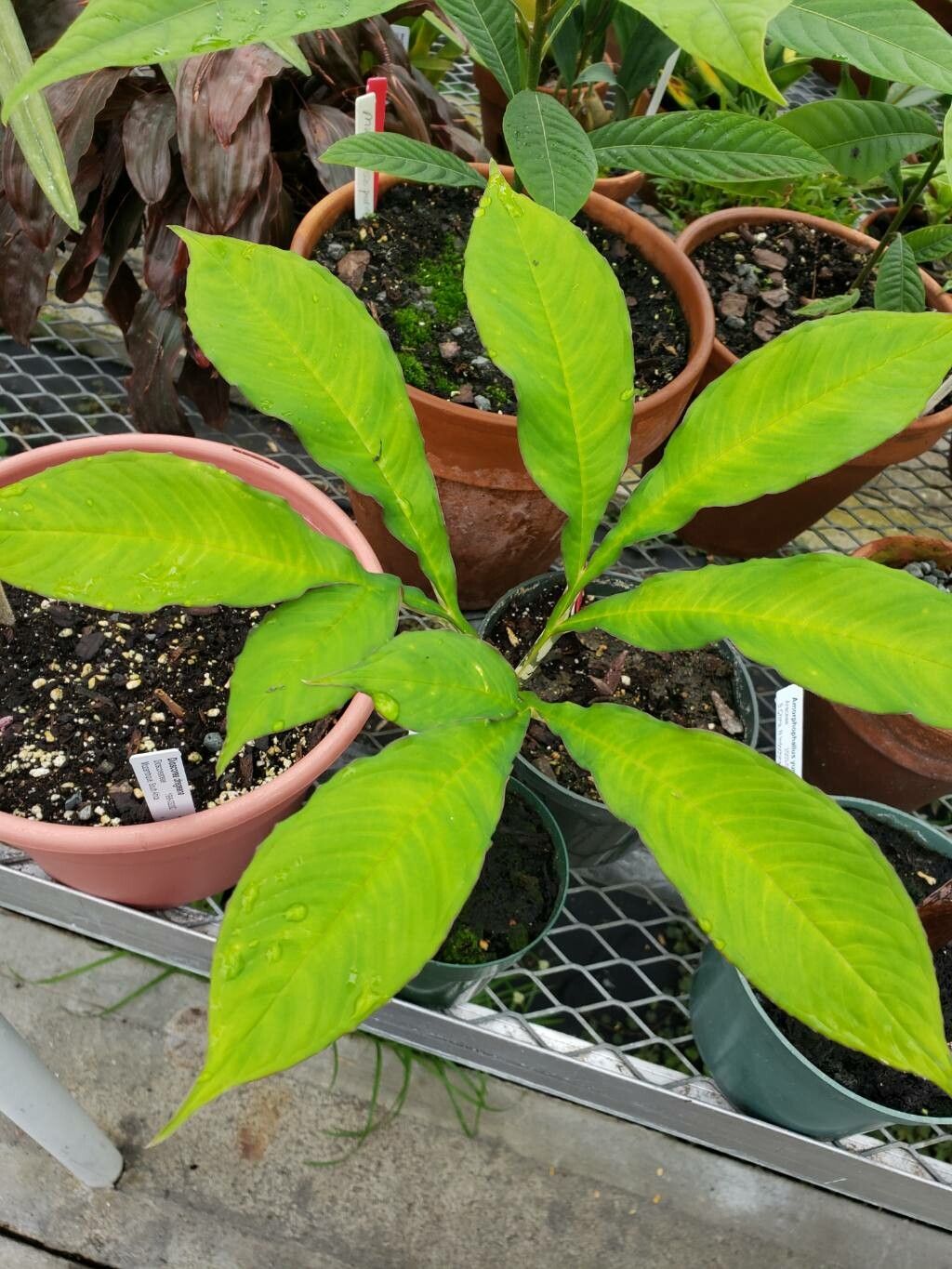
Unlocking the Mysteries of Amorphophallus yunnanensis Propagation: A How-To Guide for Growing This Unusual Beauty
The world of plants is full of surprises, and few are as captivating and unusual as the Amorphophallus yunnanensis. Don’t let the tongue-twisting name intimidate you! This fascinating plant, a close relative to the famous (or infamous) Corpse Flower, boasts striking foliage and an intriguing life cycle that will fascinate any plant enthusiast.
While witnessing the massive, pungent bloom of an Amorphophallus is a rare treat, growing your own yunnanensis is an achievable feat. Let’s delve into the world of Amorphophallus yunnanensis propagation and equip you with the knowledge to cultivate this botanical oddity.
Two Paths to Propagation
The Amorphophallus yunnanensis offers two primary methods of propagation:
1. Seed Propagation: A Test of Patience
Propagating from seed is the most common method, but it’s a slow and fascinating journey. Here’s what you need to know:
- Fresh is Best: Viability significantly decreases with time, so sow seeds as soon as possible after harvesting.
- Warm and Humid: Mimic their tropical origins by using a seed starting mix that retains moisture and providing bottom heat (around 75-80°F or 24-27°C).
- Time and Patience: Germination can take anywhere from a few weeks to several months. Don’t lose hope! Once sprouted, seedlings will develop a single leaf in the first year, and each subsequent year, the leaf will grow larger.
- Tuber Development: As the plant matures, a tuber (underground storage organ) will develop. This tuber is the key to the plant’s survival and future growth.
2. Offset Division: A Quicker Reward
Mature plants may produce offsets, smaller tubers that sprout near the main one. These offer a faster route to multiplication:
- Timing is Key: Divide offsets when the plant is dormant, typically in late fall or winter.
- Careful Separation: Gently remove the offsets, ensuring each has a piece of the tuber and its own roots.
- Potting: Plant each offset in a well-draining mix, ensuring the top of the offset sits slightly above the soil line.
Caring for Your Amorphophallus yunnanensis
Regardless of your chosen propagation method, providing the right growing conditions is essential for success:
- Bright, Indirect Light: A sunny window with some protection from harsh afternoon sun is perfect.
- Well-Draining Soil: Use a loose, airy potting mix designed for aroids or succulents to prevent root rot.
- Water Wisely: During the growing season, water thoroughly when the top inch of soil is dry. Allow the soil to dry out slightly between waterings.
- Dormancy is Natural: In late fall or winter, the foliage will naturally die back. Reduce watering drastically during this dormancy period and keep the tuber completely dry.
- Fertilize Regularly: During the growing season, feed with a balanced, diluted fertilizer every 2-4 weeks.
Enjoying the Rewards
Growing Amorphophallus yunnanensis is a rewarding experience for any plant enthusiast. Although the wait for a bloom can be years, the unique foliage and rewarding growth habits make it a captivating addition to any collection. So why not try your hand at propagating this fascinating plant? You might just be surprised by the magnificent, albeit stinky, bloom you get to witness someday!