
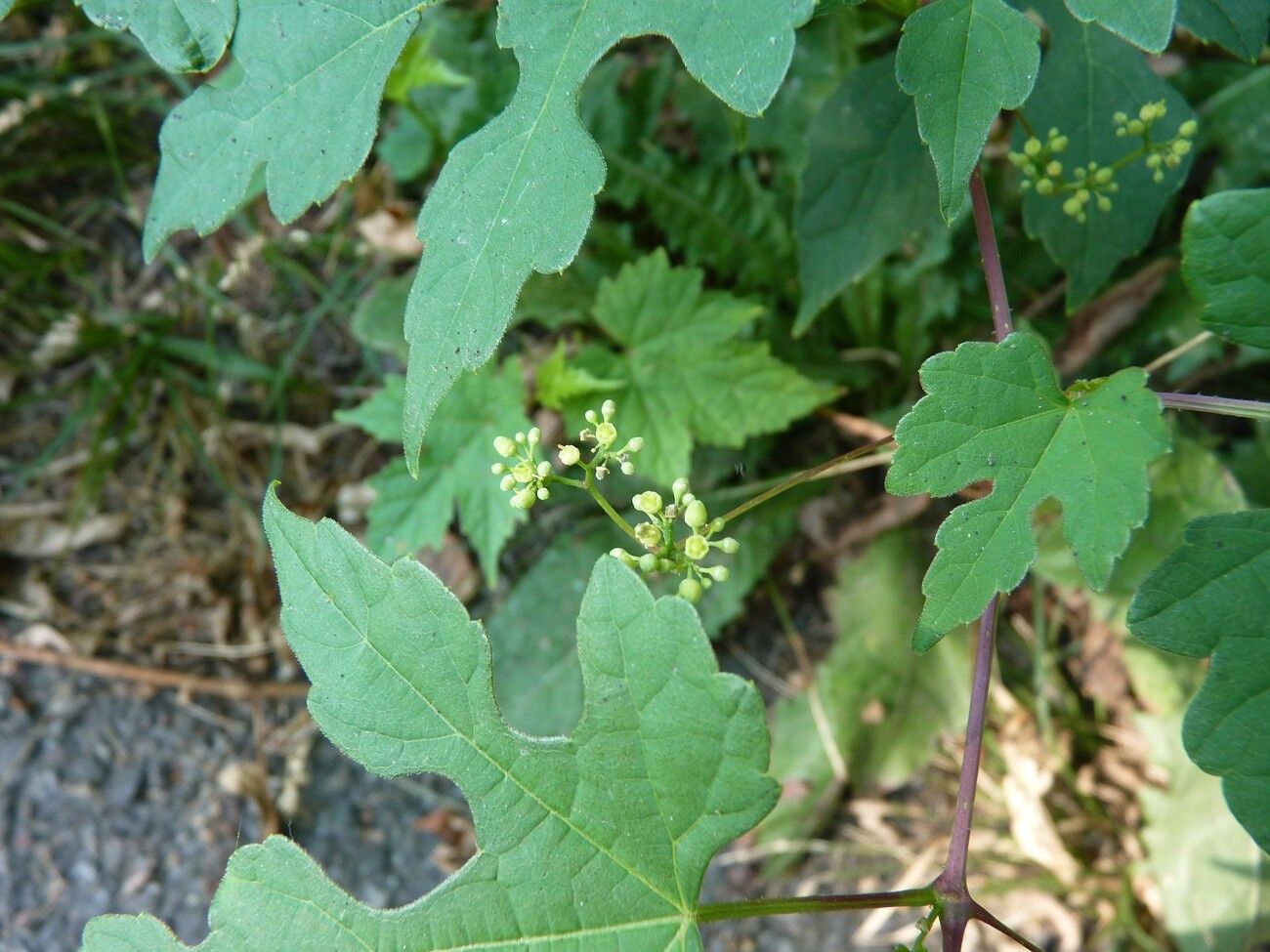
From One Vine to Many: Mastering the Art of Ampelopsis aconitifolia Propagation
Ampelopsis aconitifolia, also known as the “Amur Peppervine” or “Boston Ivy,” is a captivating vine that adds a touch of elegance and greenery to any space. Its attractive foliage, bright fall colors, and easy-going nature make it a popular choice for gardeners. But did you know you can easily create more of this beauty from just one vine? This blog post will guide you through the world of Ampelopsis aconitifolia propagation – a simple yet rewarding process that allows you to multiply your plant collection and share the joy of this versatile vine with others.
The Beauty of Propagation
Propagation, in essence, is the art of creating new plants from existing ones. With Ampelopsis aconitifolia, you can use two main methods:
- Cuttings: This involves taking a section of the vine and encouraging it to develop roots. It’s a reliable and straightforward technique even for first-time propagators.
- Layering: This method involves encouraging a stem to root while still attached to the parent plant. It’s a gentler approach, perfect for those who prefer a hands-off method.
Cuttings: A Step-by-Step Guide
- Timing is Key: The best time to take cuttings is in the spring or early summer when the plant is actively growing.
- Cutting Selection: Choose healthy, non-flowering stems with at least two sets of leaves. Use sharp pruning shears to cut the stems at a 45-degree angle.
- Preparing the Cuttings: Remove the bottom set of leaves and dip the cut end of the stem in rooting hormone. This will encourage root development.
- Potting Up: Prepare a pot filled with a well-draining potting mix. Insert the cutting into the soil, leaving the top set of leaves exposed.
- Moisture and Humidity: Keep the soil consistently moist but not waterlogged. Cover the pot with a plastic bag or dome to create a humid environment.
- Patience is key: Roots will usually develop in 4-6 weeks. You can check for root growth by gently pulling on the cutting. If you feel resistance, your new plant is ready to be transplanted into a larger pot or outdoors.
Layering: A Gentle Approach
- Choosing the Stem: Select a healthy, flexible stem that touches the ground. You can also gently bend a stem to make it reach the soil.
- Creating a Cut: Make a small cut on the underside of the stem. This will encourage rooting.
- Pinning and Covering: Carefully pin the cut stem to the ground to ensure good contact with the soil. Cover the stem with a layer of soil or a pot with drainage holes placed over the stem.
- Moisture and Time: Keep the soil consistently moist. Roots will usually form in 4-6 weeks. You can carefully check for root development by gently pulling on the stem.
- Separating the Layer: Once roots have formed, carefully cut the new plant from the parent vine and pot it up.
Tips for Success
- Choose the right environment: Cuttings and layers thrive in a bright, indirect light. Avoid intense sunlight.
- Provide consistent moisture: Don’t allow the soil to dry out completely, especially while roots are developing.
- Pay attention to temperature: Maintain a consistent temperature between 65-75 degrees Fahrenheit for optimal root growth.
- Protect from pests and diseases: Regularly check your cuttings and layers for any signs of pests or disease.
Conclusion
Propagating Ampelopsis aconitifolia is an exciting journey that allows you to multiply your plant collection and experience the joy of creating new life. With the right knowledge and care, you can transform a single vine into a thriving colony. So, grab those shears, get your hands dirty, and unlock the potential of this magnificent vine. Happy propagating!