
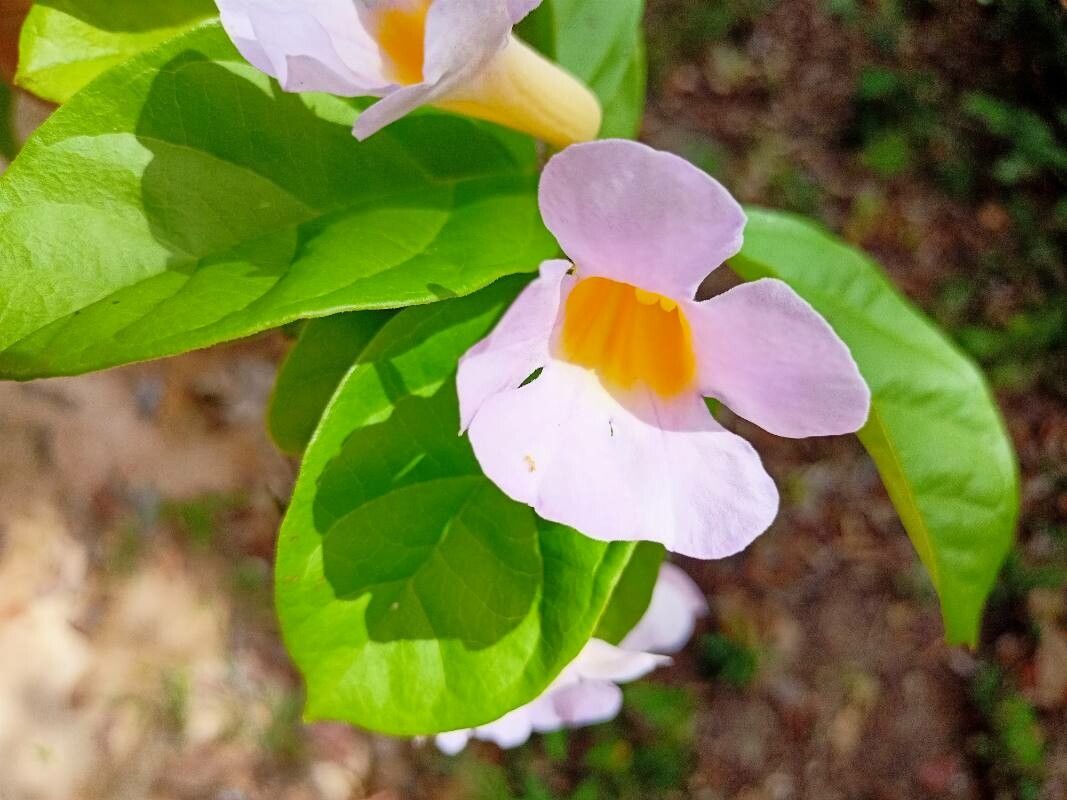
From Cutting to Climbing: Propagating the Beautiful Amphilophium frutescens
Ever dreamt of having a lush, cascading tapestry of vibrant green foliage and delicate, trumpet-shaped flowers gracing your home? Amphilophium frutescens, also known as the “Trumpet Vine” or “Purple Bells,” is a stunning vine that offers a breathtaking display of beauty. But before you marvel at its full glory, you might wonder, how can I grow this beauty myself? The answer is simpler than you might think: propagation.
Propagation introduces a whole new world of possibilities for plant enthusiasts. It allows you to expand your garden (or indoor jungle) with clones of your favorite plants, offering the joy of creating new life and sharing its beauty with others. For Amphilophium frutescens, propagation is especially rewarding, unlocking a path to effortlessly multiply this fast-growing gem.
Two Popular Methods: Cuttings and Seeds
There are two primary methods to propagate Amphilophium frutescens: cuttings and seeds. Let’s delve into each method:
1. Propagation by Cuttings:
- The Technique: This is the most popular and fastest way to propagate Amphilophium frutescens. It involves taking stem cuttings from healthy, mature plants. Choose non-flowering stems and cut them about 6 inches long, ensuring at least two nodes (the points where leaves grow).
- Preparing the Cuttings: Remove the bottom leaves from the cutting, leaving the top two or three. To encourage root development, you can use rooting hormone on the cut end.
- Planting and Care: Prepare a pot with a well-draining potting mix. Insert the cuttings into the soil, leaving the top nodes above the soil line. Water thoroughly and place the pot in a warm, bright location, but out of direct sunlight. Keep the soil consistently moist, and within a few weeks, you should start seeing new growth.
2. Propagation by Seeds:
- The Technique: Amphilophium frutescens produces seed pods after blooming. These pods contain tiny, flat seeds that can be used for propagation. To extract the seeds, carefully open the pods and remove the seeds.
- Germination: Plant the seeds in a seed tray filled with a well-draining seed-starting mix. Cover the seeds lightly with soil and water gently. For optimal germination, keep the tray in a warm, bright location with temperatures around 70-75°F.
- Transplanting: Once the seedlings have developed a few true leaves, you can transplant them into individual pots. Remember to handle them gently as their roots are still delicate.
Tips for Success:
- Timing: The best time to propagate Amphilophium frutescens is in spring or early summer. This coincides with the active growing season, boosting the plant’s ability to develop roots.
- Environment: Providing the right conditions for your cuttings or seedlings is crucial. Warm temperatures, adequate moisture, and indirect sunlight are essential for successful rooting and germination.
- Patience: While Amphilophium frutescens is relatively easy to propagate, be prepared to wait. The rooting process for cuttings can take a few weeks, and seeds can take even longer to germinate.
Enjoy Your New Growth:
Once your Amphilophium frutescens cuttings or seedlings have established roots, you can transplant them into larger pots or directly into your garden. With proper care, they will quickly mature into beautiful, cascading vines that will bring joy and vibrant colors to your outdoor spaces or indoor gardens.
So, grab a pair of scissors, gather your potting mix, and embark on your own propagation adventure with the charming Amphilophium frutescens. You’ll be rewarded with the satisfaction of creating new life and a stunning display of vibrant foliage and delicate blooms.