
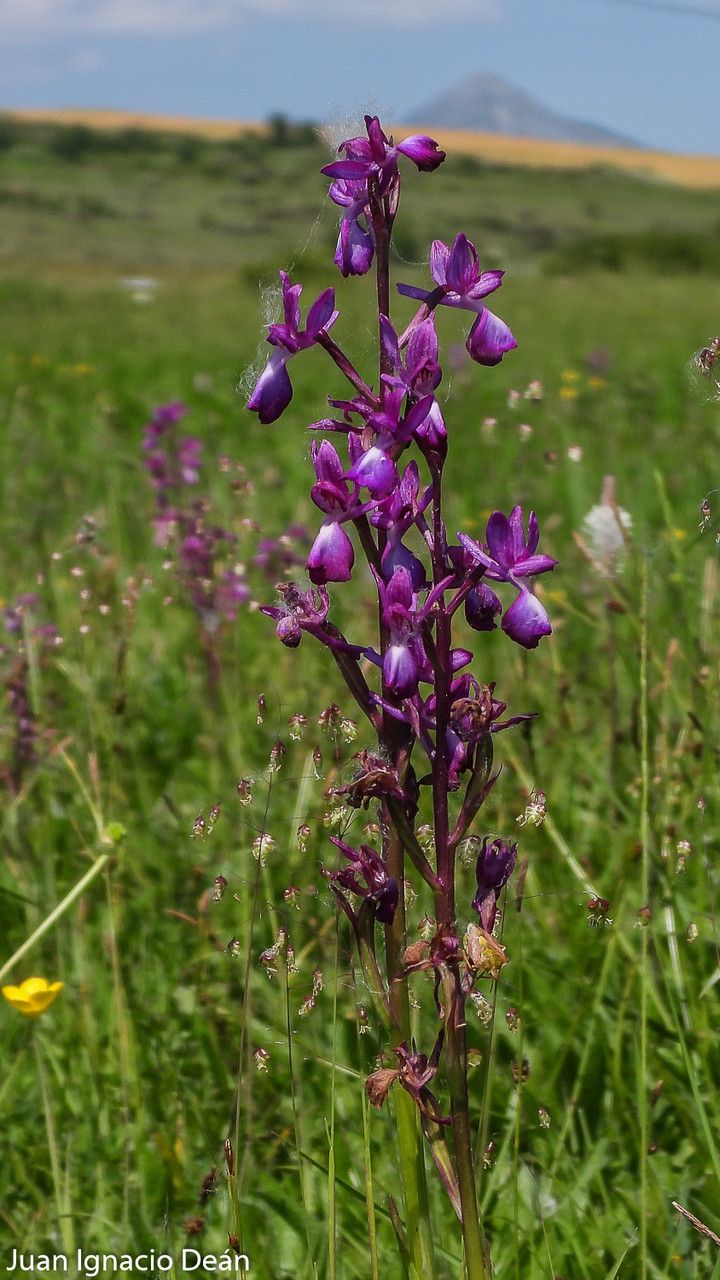
The Delicate Dance: Propagating the Loose-Flowered Orchid (Anacamptis laxiflora)
The Anacamptis laxiflora, also known as the Loose-flowered Orchid, is a captivating wildflower with slender stems adorned by delicate, pastel-hued blooms. Its beauty, however, is paired with a delicate nature, making it a challenge for even the most seasoned gardener to propagate. But fret not, orchid lovers, for with a bit of patience and the right knowledge, you can experience the joy of bringing this beautiful species into your own garden.
Understanding the Anacamptis laxiflora’s Unique Nature
This orchid thrives in specific environments, particularly calcareous grasslands and meadows. Its roots establish deep, symbiotic relationships with mycorrhizal fungi, which are crucial for the plant’s survival. These fungi play a vital role in providing the orchid with the nutrients it needs to flourish. This symbiotic relationship makes the Anacamptis laxiflora highly sensitive to habitat changes and makes traditional propagation methods like cuttings or division less successful.
The Art of Seed Propagation: A Quest for Patience
Unlike other plants, the Anacamptis laxiflora’s seeds are dust-like and lack any significant food reserves. This means they must rely on the presence of mycorrhizal fungi to germinate and grow. Therefore, the most successful propagation method is through seed sowing, but it requires a delicate touch and ample patience.
- Collecting Seeds: Collect fresh seeds from mature seed pods, just before they fully open. Ensure the capsule is fully ripe, turning from green to brown.
- Mycorrhizal Partnerships: The key to successful germination lies in creating an environment that encourages the presence of mycorrhizal fungi. This can be achieved by using an orchid potting mix specifically designed for seed propagation.
- Sowing the Seeds: Sow the collected seeds on the surface of the seed compost. Do not bury them as they require light to germinate.
- The Long Wait: Patience is key. It can take several months for seeds to germinate, with some even needing a year or more. Germination success is highly dependent on the presence, abundance, and type of mycorrhizal fungus.
Alternatives: Consider the ‘Green Man’ Approach
While seed propagation offers the most natural and eco-friendly approach, it’s worth exploring alternative methods. Some gardeners choose a more hands-off approach, employing the ‘Green Man’ strategy. This involves creating a welcoming environment for mycorrhizal fungi by cultivating soil-enhancing plants like legumes and clover. These plants create a favorable environment for mycorrhizal fungi and, in turn, create a welcoming habitat for the Anacamptis laxiflora’s seeds to germinate.
The Importance of Ethical Sourcing
The Anacamptis laxiflora’s delicate nature also highlights the importance of ethical sourcing. Never collect seeds or plants from the wild. This disrupts their delicate ecosystems and can lead to declining wild populations. Instead, consider purchasing plants or seeds only from reputable nurseries that specialize in native species and sustainably sourced plants.
Caring for Your Orchid: A Step towards Success
Once your orchid has successfully germinated, provide it with the optimal growing conditions. Simulate its natural environment with a well-drained potting mix and a bright, filtered light source. It should feel comfortable in the sun’s morning rays but be careful to avoid direct summer sun exposure. Additionally, water regularly but avoid overwatering. The best indicator of watering needs is when the top inch of soil feels dry to the touch.
A Final Note: Respect and Preservation
Growing the Anacamptis laxiflora is a rewarding experience, but it comes with a responsibility to protect this beautiful species. As passionate gardeners, let’s ensure the preservation of this wildflower for future generations to admire. Through responsible propagation and responsible habitat management, we can nurture its beauty for many years to come. By embracing a shared commitment to conservation, we can ensure the delicate dance of the Loose-flowered Orchid continues long after our time.