
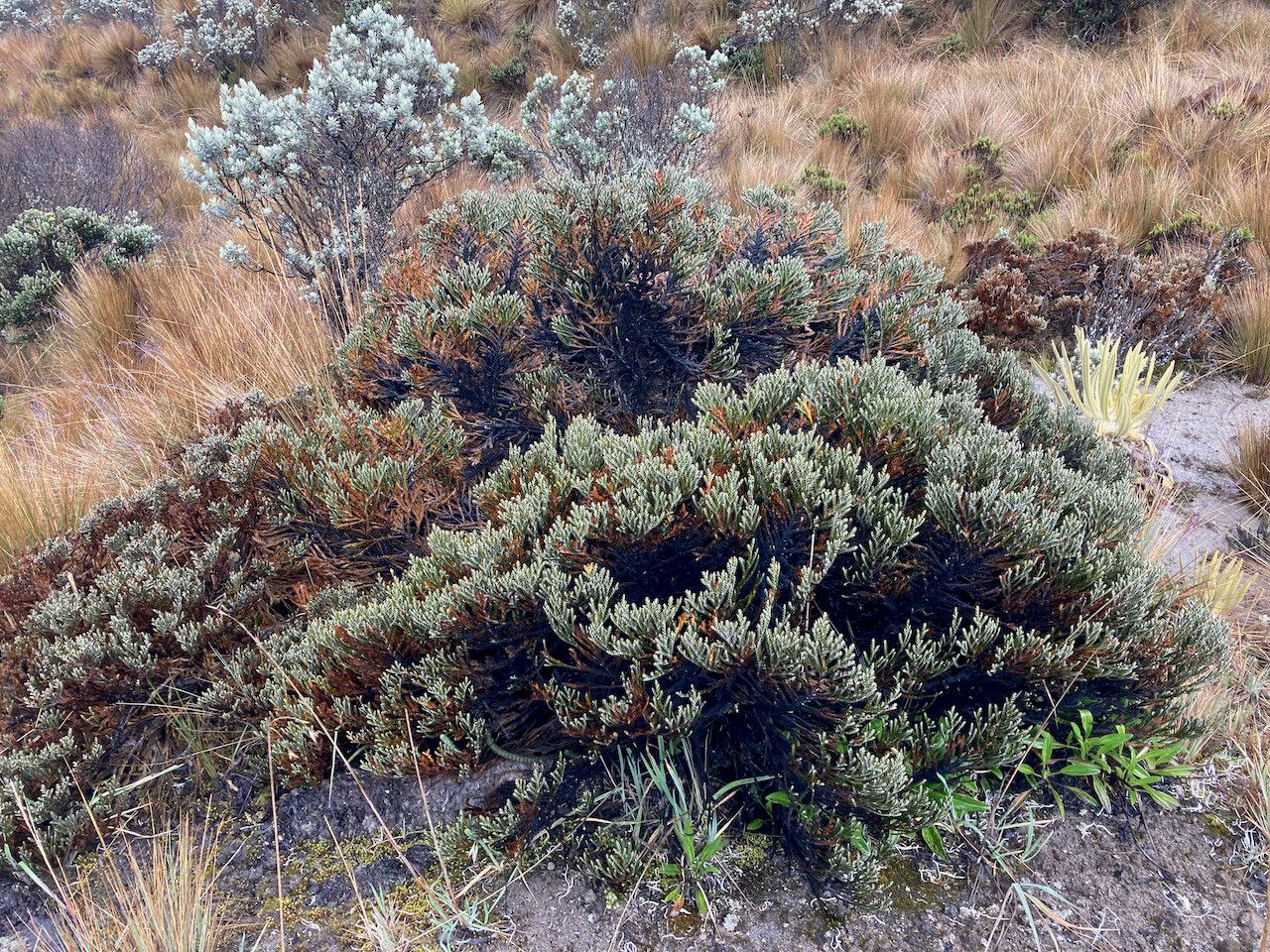
Unlocking the Secrets of Andicolea Colombiana: Can You Grow This Orchid at Home?
The orchid world is a fascinating one, full of exotic beauty and intriguing challenges. Today we delve into the propagation of a lesser-known yet stunning species – the Andicolea colombiana. Found clinging to the high Andes mountains of Colombia and Ecuador, this delicate orchid captivates with its translucent white flowers and unique growing requirements. But can you replicate this challenging environment and propagate this beauty at home? Let’s find out!
Understanding the Andicolea Colombiana:
Before jumping into propagation, it’s crucial to understand what makes this orchid tick. This species thrives in a very specific habitat: high-altitude cloud forests. These forests are characterized by cool temperatures, high humidity, and dappled sunlight. The Andicolea colombiana, being a terrestrial orchid, grows directly in the rich, moist, and well-drained soil found in these forests.
Propagation Challenges:
Propagating the Andicolea colombiana outside its natural environment presents a significant challenge. Here’s why:
- Temperature and Humidity: Replicating the cool, constantly humid conditions of a cloud forest at home is tricky. Maintaining these conditions consistently is key to success.
- Specialized Soil Requirements: This orchid requires a loose, airy, and acidic soil mix that mimics its natural growing medium. Finding the right balance is crucial.
- Seed Germination Difficulty: Orchid seeds are notoriously tiny and lack endosperm, requiring a symbiotic relationship with specific fungi for germination. This makes seed propagation a difficult process best left to experienced growers or laboratories.
Propagation Methods: A Realistic Approach
While challenging, propagating Andicolea colombiana at home is not impossible. Here’s what you can try:
Division: If you are lucky enough to have a mature, healthy plant, division is the most viable option. Carefully divide the rhizomes, ensuring each section has at least one active growth point and healthy roots. Plant these divisions in individual pots with a suitable growing medium.
- Tissue Culture: While more advanced, tissue culture offers a higher success rate. This method involves taking small pieces of plant tissue and growing them in a sterile laboratory setting. However, it requires specialized equipment and knowledge.
Essential Growing Tips for Success:
Whether you attempt division or acquire a lab-propagated plant, replicating its natural environment is key:
- Choose the Right Medium: Opt for a chunky, well-draining mix specifically designed for terrestrial orchids. A mixture of fine bark, perlite, peat moss, and sphagnum moss can work well.
- Potting and Watering: Choose a pot with drainage holes to prevent waterlogging. Water thoroughly when the medium is almost dry, ensuring good drainage.
- Temperature and Humidity Control: Maintain cool temperatures (55-70°F) and high humidity (70-80%). A cool room or a humidity-controlled greenhouse are ideal.
- Bright, Indirect Light: Provide bright, indirect sunlight similar to what it would receive in its natural cloud forest habitat. Avoid direct sunlight which can scorch the leaves.
A Rewarding Challenge:
Propagating Andicolea colombiana at home is not for the faint of heart. It demands patience, dedication, and a deep understanding of this orchid’s specific needs. However, witnessing this delicate beauty thrive in your care, rewarding yourself with its exquisite blooms, makes the challenge worthwhile for any passionate orchid enthusiast.