
Conquering the Alpine Challenge: Propagating Androsace alpina
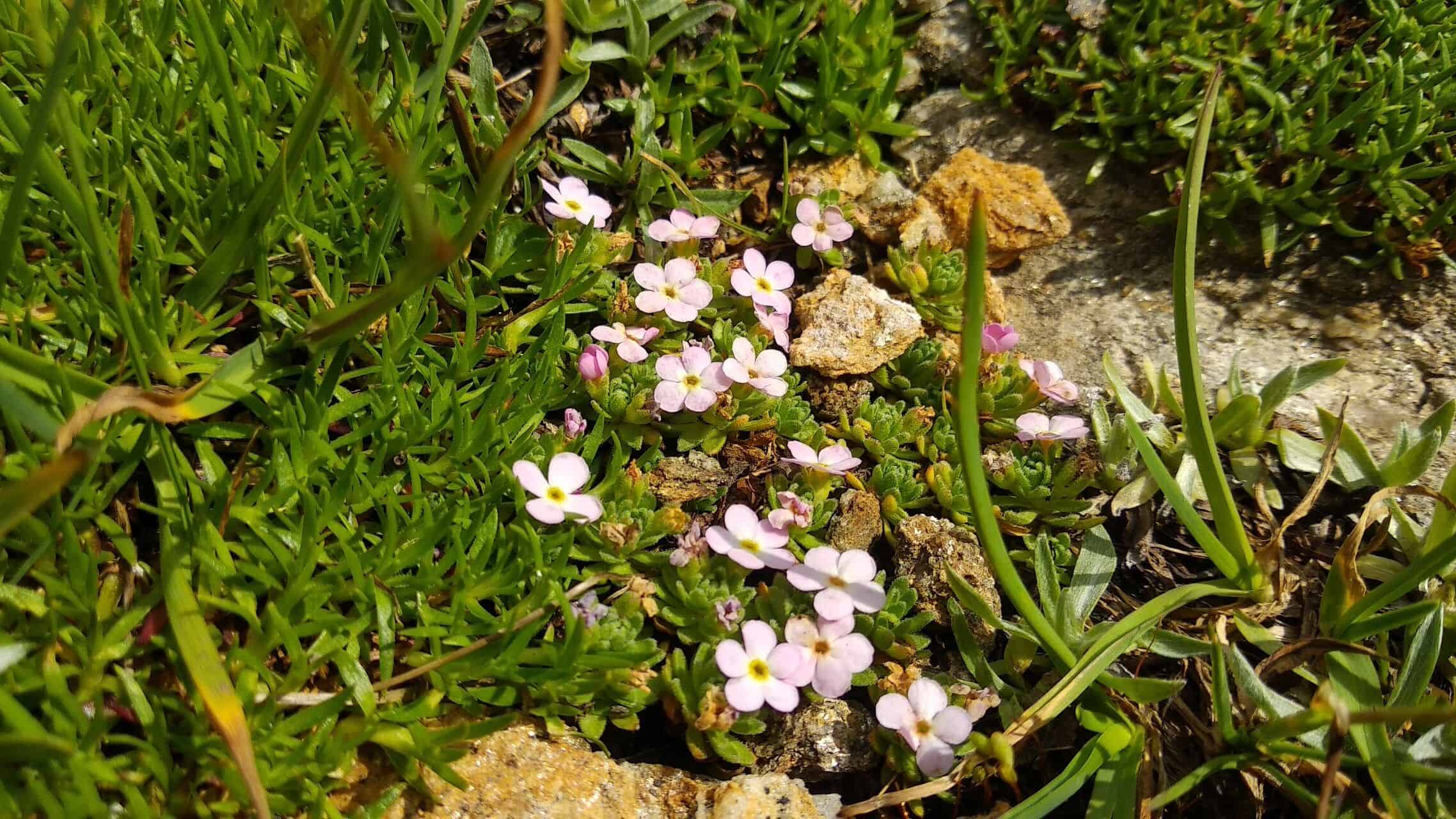
The Androsace alpina, also known as the Alpine Rock Jasmine, is a sight to behold. Picture this: a carpet of vibrant pink flowers, nestled between rugged rocks, braving the harsh alpine climate. It’s a testament to nature’s resilience and beauty. But what if you could bring a touch of this alpine magic to your own garden? While challenging, propagating Androsace alpina is a rewarding endeavor for dedicated plant enthusiasts. Let’s explore the world of Alpine Rock Jasmine propagation.
Understanding the Alpine Spirit
Before embarking on propagation, it’s crucial to understand the plant’s natural habitat. Androsace alpina thrives in well-drained, gravelly soil, mimicking the rocky slopes it calls home. It craves full sun and thrives in cool temperatures, making it a challenging plant for warmer climates.
Propagation Methods: A Two-Pronged Approach
Propagating Androsace alpina can be achieved through two primary methods:
- Seed Sowing: A Test of Patience
Sowing seeds is the more accessible method, but it demands patience and a touch of green-thumb magic.
- Timing is Key: Sow fresh seeds in late summer or early fall, as they require a period of cold stratification to germinate.
- Simulating Nature: Use a well-draining seed starting mix (sand, perlite, and vermiculite work well), and sow the seeds on the surface, pressing them in gently.
- Patience is a Virtue: Keep the seed tray in a cool, bright location and maintain moisture. Germination can be erratic, taking anywhere from a few weeks to several months.
- Cuttings: A Faster Route (With a Dash of Luck)
Taking cuttings offers quicker results but has a slightly lower success rate than seed propagation.
- The Right Time: The best time for taking cuttings is late spring or early summer when the plant is actively growing.
- Selecting the Cuttings: Choose healthy, non-flowering stems about 2-3 inches long.
- Creating Favorable Conditions: Use a sharp, clean knife or shears to take the cuttings just below a leaf node. Dip the cut end in rooting hormone (optional but beneficial) and plant it in a well-draining rooting mix.
- Nurturing the Cutting: Create a humid environment by covering the pot with a plastic bag or placing it in a propagator. Keep the soil consistently moist but not waterlogged.
Transplanting: Handle With Care
Whether from seeds or cuttings, seedlings should be carefully transplanted into individual pots once they are large enough to handle. Remember to use a well-draining soil mix and acclimate them to outdoor conditions gradually before planting them in their permanent location.
Challenges and Rewards
Propagating Androsace alpina isn’t a walk in the park. The plant’s specific requirements mean that success isn’t always guaranteed. High humidity can lead to fungal issues, while inadequate drainage can cause root rot. However, the reward of cultivating this alpine treasure far outweighs the challenges.
A Final Tip: Be patient, observe your plants closely, and don’t be disheartened by initial setbacks. With dedication and a dash of horticultural know-how, you can enjoy the captivating beauty of Androsace alpina in your own garden.