
Unveiling the Secrets of Androsace pyrenaica Propagation: A Guide to Cultivating Miniature Mountain Magic
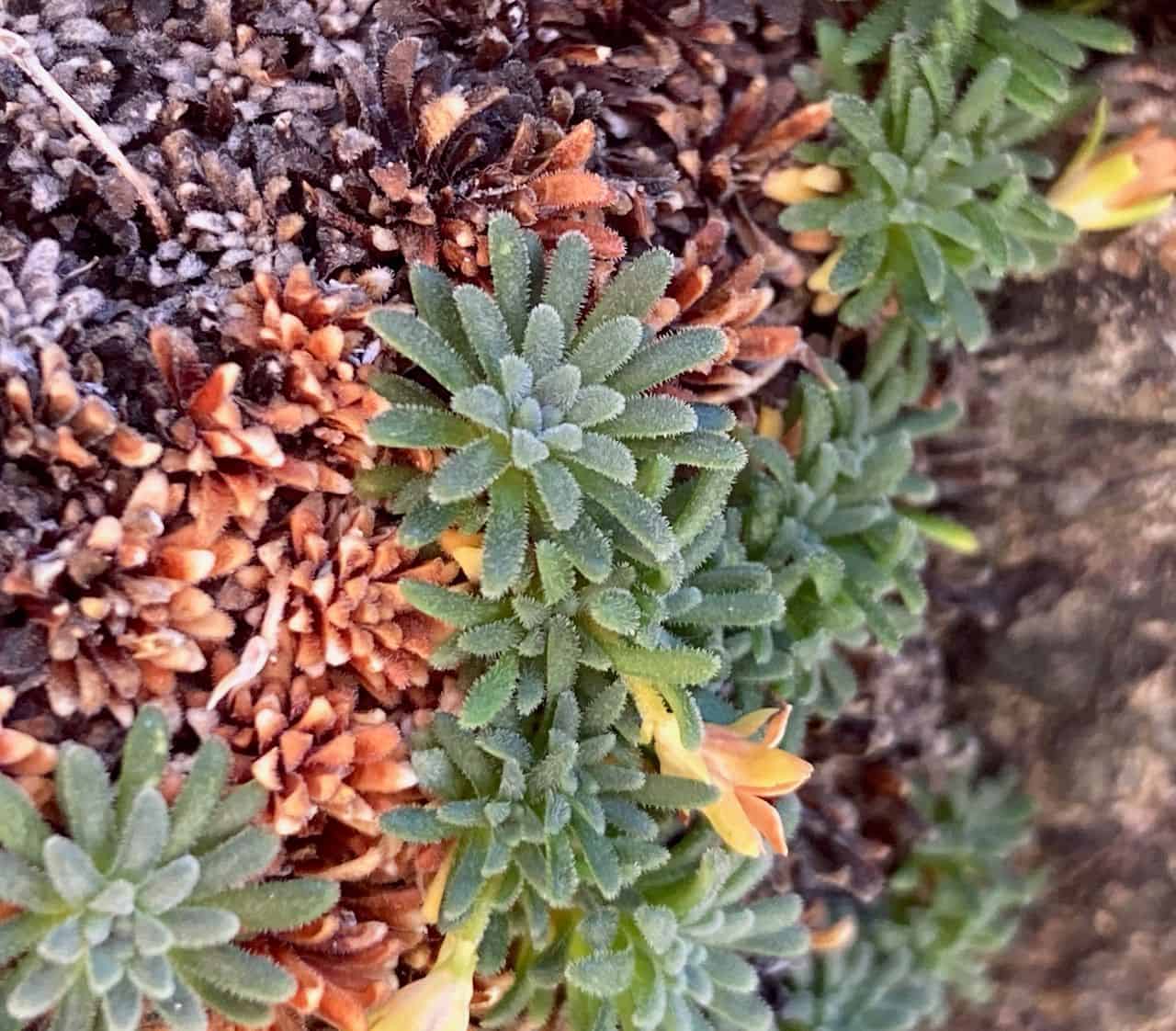
The Androsace pyrenaica, also known as the Pyrenean Rock Jasmine, is a sight to behold. This alpine treasure, with its tiny, delicate flowers clustered like miniature bouquets amidst rosettes of silvery-green leaves, evokes a sense of wonder and awe. But don’t let its dainty appearance fool you – this plant possesses a rugged resilience honed by its harsh mountainous origins.
For plant enthusiasts seeking to cultivate their own slice of alpine paradise, propagating Androsace pyrenaica can be a rewarding, albeit somewhat challenging, endeavor. While it requires patience and careful attention, the joy of nurturing these miniature beauties from seed or cutting makes the effort worthwhile.
Seed Propagation: A Test of Patience
Seed propagation, the most common method, demands dedication and meticulous care. Here’s how to embark on this rewarding journey:
- Seed Collection: Collect ripe seed pods in late summer or early fall. Look for dry, brown pods that split open easily to reveal tiny, dust-like seeds.
- Sowing: Sow seeds in late winter or early spring. Use a well-draining seed compost mixed with grit or perlite to mimic the plant’s rocky habitat. Scatter seeds sparsely on the surface and press them in lightly without burying them.
- Conditions: Place the seed tray in a cool, well-lit location, out of direct sunlight. Maintain a humid environment by covering the tray with a plastic dome or placing it inside a propagator.
- Germination: Germination can be erratic, taking anywhere from a few weeks to several months. Don’t lose hope if you don’t see immediate results. Maintain consistent moisture and patience – your diligence will be rewarded.
- Transplanting: Once seedlings develop several true leaves, carefully transplant them into individual pots filled with a well-draining alpine mix. Handle them delicately, as their root systems are quite fragile.
Cuttings: A Quicker Path to Success
For those seeking a faster propagation method, taking basal cuttings in the spring offers a viable alternative:
- Selection: Carefully select healthy, non-flowering rosettes at the base of the plant.
- Preparation: Using a sharp, sterilized knife or scissors, sever the rosette with a small section of stem attached. Remove any lower leaves, leaving a few pairs at the top.
- Rooting Hormone: While optional, dipping the cut end in rooting hormone powder can encourage faster and more reliable root development.
- Planting: Insert the cuttings into a well-draining mix, ensuring the leaves are just above the soil surface.
- Conditions: Place the cuttings in a well-lit area, avoiding direct sunlight. Maintain humidity by covering the pot with a plastic bag or dome.
- Rooting: Roots typically develop within 4-6 weeks. Gently tug on the cuttings – resistance indicates successful rooting.
Nurturing Your Alpine Success
Whether you choose seed propagation or cuttings, providing the right conditions is key to their survival:
- Well-draining Soil: Utilize a specialized alpine plant mix or create your own by combining equal parts potting soil, perlite, and grit.
- Careful Watering: Water sparingly, allowing the soil to dry slightly between watering. Androsace pyrenaica are susceptible to root rot, so avoid overwatering.
- Bright, Indirect Light: Place your plants in a location that receives bright, indirect light, mimicking their natural alpine habitat.
Propagating Androsace pyrenaica is a labor of love, demanding patience and meticulous care. However, the reward of successfully cultivating these miniature alpine jewels makes the journey truly worthwhile. With dedication, you can bring a touch of mountain magic into your own garden, marveling at the resilience and delicate beauty of this captivating plant.