
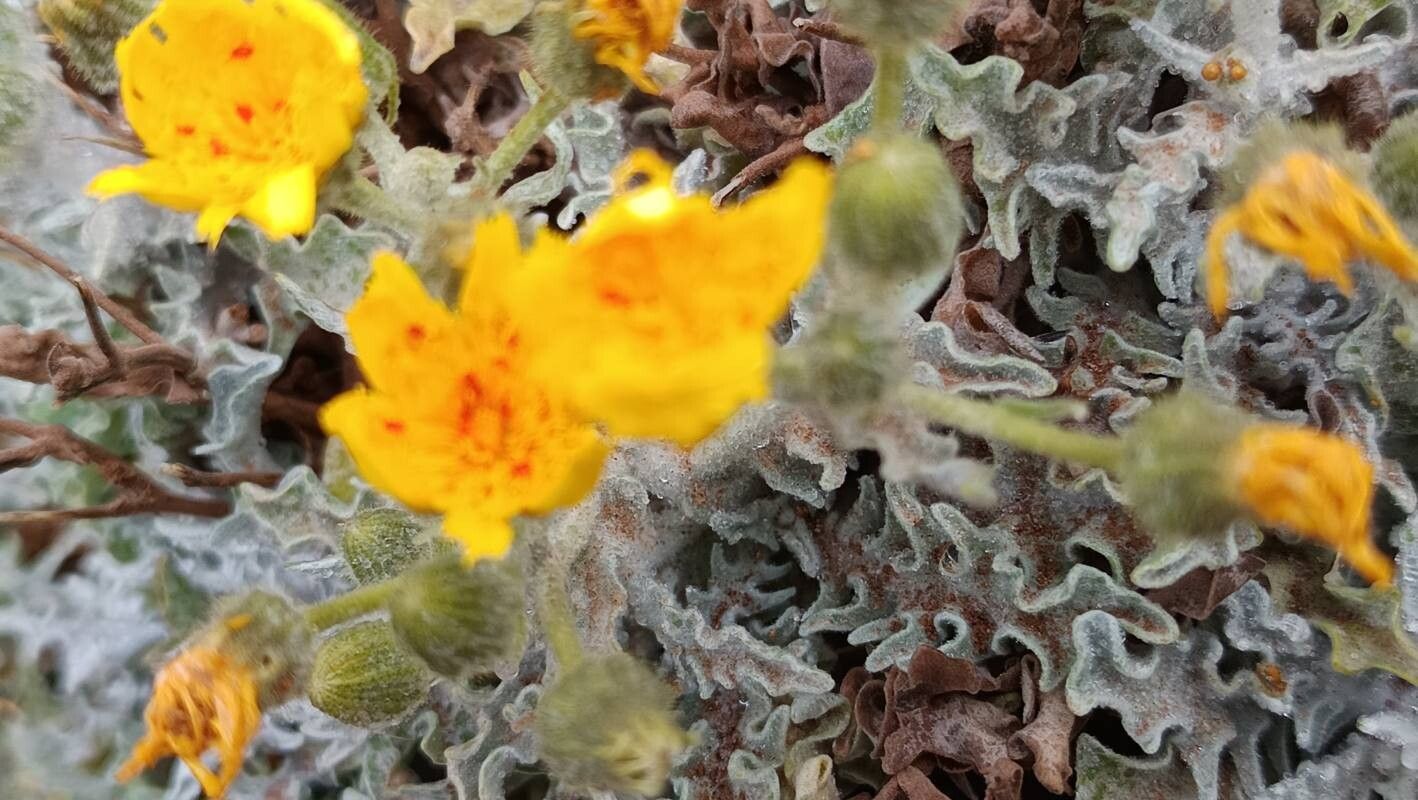
Unlocking the Secrets of Andryala glandulosa: A Propagation Guide
Andryala glandulosa, also known as the downy hawkbit, is a delightful plant with sunny, dandelion-like flowers. Native to the Mediterranean region, it boasts captivating silvery foliage and a charming wildflower aesthetic. While not as widely cultivated as other ornamentals, its unique beauty and resilience make it a rewarding addition to gardens seeking a touch of wild charm.
If you’re intrigued by this enchanting plant and want to invite it into your outdoor space, this guide is for you. We’ll delve into the fascinating world of Andryala glandulosa propagation, giving you the tools and knowledge to successfully cultivate this captivating species.
Two Paths to Propagation: Seeds vs. Cuttings
Andryala glandulosa can be propagated through two primary methods:
1. Seed Propagation:
- Timing is key: Sow seeds in early spring or late summer, choosing a period with milder temperatures and sufficient moisture.
- Sowing the seeds: Scatter the seeds on the surface of a well-draining seed-starting mix. Avoid burying them deeply, as light aids germination.
- Patience is a virtue: Germination can take anywhere from a few weeks to a couple of months. Maintain consistent moisture and a warm environment during this period.
- Thinning the seedlings: Once seedlings develop a few true leaves, thin them out to provide adequate space for growth (approximately 6-8 inches apart).
2. Propagation from Cuttings:
- The art of selection: In late spring or early summer, select healthy, non-flowering stems for cuttings. Choose stems that are about 3-4 inches long.
- Preparing the cuttings: Remove leaves from the bottom inch of the stem to prevent rotting. Optionally, you can dip the cut end in rooting hormone powder to encourage root development.
- Creating the perfect environment: Plant the cuttings in a well-draining potting mix. Keep the soil consistently moist and provide indirect sunlight.
- Patience, once again: It might take several weeks for roots to develop. Once new growth emerges, you can transplant the rooted cuttings to individual pots or your garden bed.
Essential Care for Thriving Plants
Regardless of your chosen propagation method, remember that Andryala glandulosa thrives in specific conditions:
- Sunlight: Aim for at least six hours of direct sunlight daily.
- Soil: Well-draining soil is crucial. Amend heavy clay soils with compost or sand to improve drainage.
- Water: Water regularly, especially during hot and dry periods. However, avoid overwatering, as it can lead to root rot.
- Maintenance: Deadhead spent flowers to encourage further blooming and prevent self-seeding if desired.
Reap the Rewards of Your Labor
Propagating Andryala glandulosa might require a touch of patience, but the rewards are well worth the effort. This resilient plant boasts a long blooming period, attracting pollinators and adding a unique touch to any garden. Whether you choose to grow it from seeds or cuttings, the process offers a fulfilling journey for gardening enthusiasts of all levels.