
Spreading the Joy: How to Propagate Anemonastrum narcissiflorum (and Fall in Love with More!)
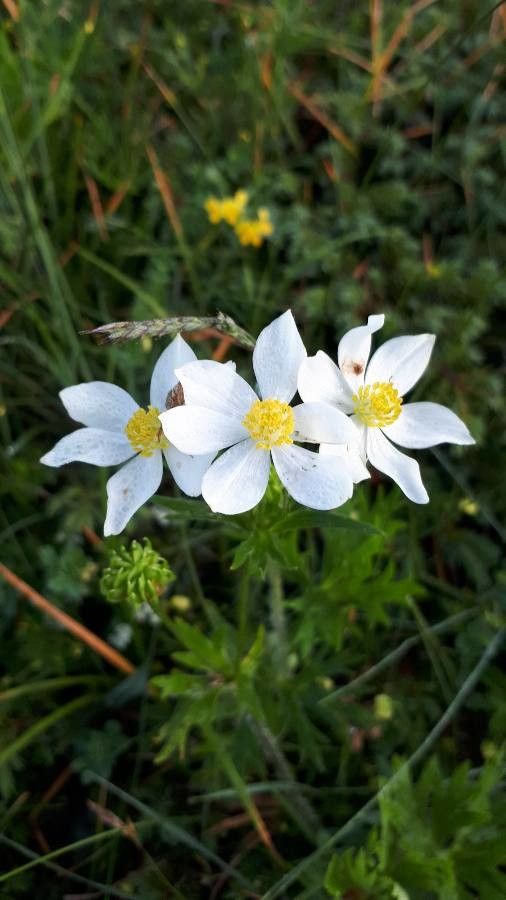
Anemonastrum narcissiflorum, also known as the “narcissus anemone,” is a true charmer. Its delicate, starry white flowers, reminiscent of tiny, nodding lilies, grace gardens from late spring to early summer. But what if you could share this beauty with friends and family – or simply multiply your own patch of these charming blooms? The good news is, propagating Anemonastrum narcissiflorum is a relatively easy process. Whether you’re a seasoned gardener or a beginner, this guide will equip you with the knowledge to grow more of these captivating beauties.
The Power of Division
The most common and successful method for multiplying your Anemonastrum narcissiflorum collection is through division. This technique involves splitting a mature clump into smaller, independent plants. Here’s how to do it:
- Timing is Key: The best time to divide Anemonastrum narcissiflorum is in the fall after the plant has finished flowering but before the ground freezes.
- Dig and Divide: Gently dig up the clump, taking care not to damage the roots. Use a sharp knife or spade to divide the clump into smaller pieces, ensuring each section has healthy roots and a shoot.
- Replant and Care: Plant the divisions in well-drained soil, spacing them about 6 inches apart. Water them well, ensuring consistently moist soil during the establishment phase.
Seed Sowing for Patience and Perseverance
While division offers a quicker route to a new plant, seed sowing can also be a rewarding endeavor. Here’s the process:
- Collecting Seed: Allow the flowers to go to seed. Once the seedheads dry, they will split open, revealing the tiny, brown seeds. Collect the seeds and let them air dry in a cool, dry place.
- Sowing Time: Sow the seeds directly outdoors in the fall. Cover the seeds lightly with soil and keep the area moist.
- Patience is a Virtue: Anemonastrum narcissiflorum seeds can take up to two years to germinate. Don’t despair if you don’t see seedlings immediately.
Nurturing Your New Plants
No matter which propagation method you choose, remember that Anemonastrum narcissiflorum prefers well-drained, fertile soil and partial shade. It is also beneficial to mulch around the plants, helping retain moisture and suppress weeds.
Enjoy the Beauty of Sharing
Propagating Anemonastrum narcissiflorum is not just about multiplying plants, it’s about sharing joy. Whether you’re starting a new garden or adding to an existing one, these cheerful flowers will bring a touch of elegance and charm.
Additional Pro Tips:
- Mulch: A layer of organic mulch will help retain moisture, suppress weeds, and insulate roots against cold temperatures.
- Water Wisely: Anemonastrum narcissiflorum prefers moist soil, but it doesn’t tolerate soggy conditions. Water consistently during dry periods.
- Fertilize Carefully: A light application of balanced fertilizer in the early spring can boost growth.
- Deadheading: Pinching off spent blooms encourages the plant to produce more flowers.
With a little care and attention, your Anemonastrum narcissiflorum will reward you with a cascade of delicate white blossoms for many years to come. So, go forth, divide, sow, and spread the beauty of this enchanting plant!