
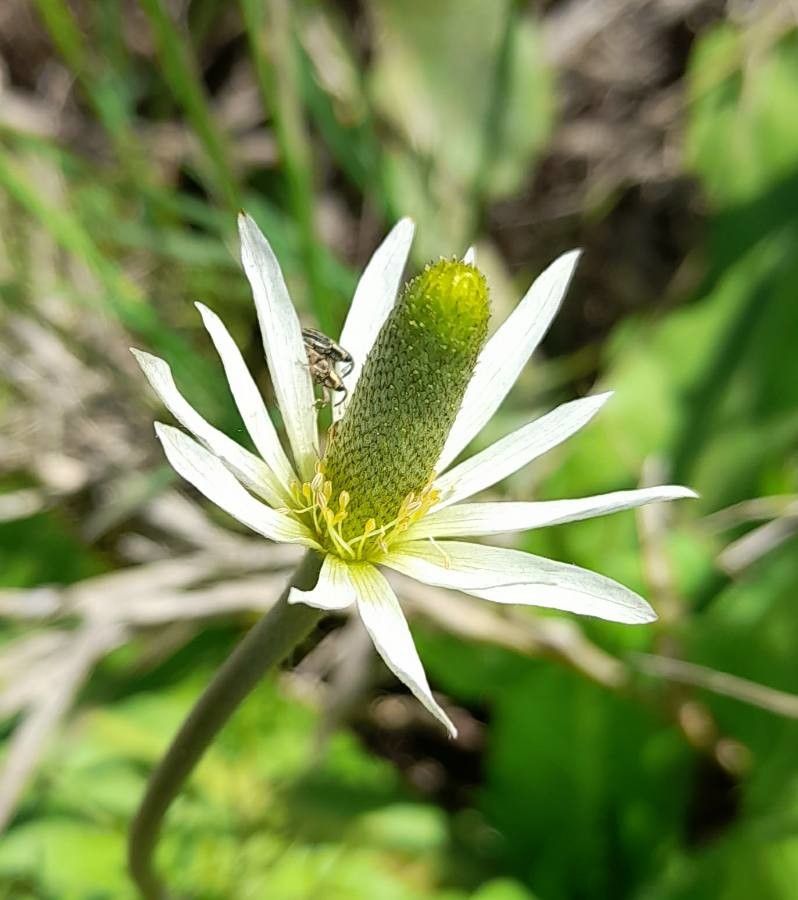
Unlocking the Secrets of Anemone Decapetala Propagation: A Guide to Multiplying Your Windflowers
The Anemone decapetala, more commonly known as the tenpetal anemone or meadow anemone, captivates with its delicate, wind-kissed flowers that grace gardens with a touch of wild charm. While readily available at nurseries, wouldn’t it be rewarding to multiply these beauties yourself and share their splendor with friends? This guide unveils the secrets of Anemone decapetala propagation, empowering you to expand your floral haven with ease.
Two Paths to Propagation:
Anemone decapetala can be propagated through two primary methods:
1. Seed Sowing: Embracing the Cycle of Nature
For those who enjoy the satisfaction of nurturing a plant from its earliest stage, seed sowing offers a fulfilling journey.
- Timing is Key: Sow seeds in late summer or early fall, as they require a period of cold stratification to break dormancy.
- Preparing the Seedbed: Choose a well-drained seed starting mix or create your own using a blend of peat moss, perlite, and vermiculite.
- Sowing Depth: Gently press the seeds onto the surface of the moistened medium, ensuring they receive good contact.
- Creating the Right Environment: Place the seed tray in a cool location (around 40-50°F) for approximately six weeks to simulate winter conditions.
- Light and Warmth: After the chilling period, move the tray to a brighter location with temperatures around 65-70°F.
- Patience is a Virtue: Germination can be erratic, taking anywhere from a few weeks to several months.
2. Division: Multiplying Your Floral Bounty
Division offers a quicker and more predictable means of multiplying your Anemone decapetala.
- The Right Time: Divide established clumps in late summer or early fall after they have finished flowering.
- Gentle Division: Carefully lift the entire clump from the ground using a garden fork.
- Creating New Beginnings: Gently separate the clump into smaller sections, ensuring each division has a healthy root system and several growth points.
- Replanting: Replant the divisions at the same depth they were previously growing, spacing them about 12 inches apart to allow for ample air circulation.
Essential Care for Thriving Anemones:
Whether you choose to propagate through seed or division, providing the right care is paramount to the success of your efforts.
- Well-Drained Soil is Crucial: Soggy conditions will lead to root rot. Amend heavy clay soil with organic matter to improve drainage.
- Sun or Shade, They Adapt: Anemone decapetala thrives in either full sun to partial shade.
- Watering Wisely: Keep the soil consistently moist, but avoid overwatering. Allow the soil to dry out slightly between waterings once established.
- Providing Nourishment: Fertilize established plants with a balanced fertilizer in spring as new growth emerges.
Reaping the Rewards:
By mastering the art of Anemone decapetala propagation, you not only expand your own garden sanctuary but also gain the joy of sharing these delightful blooms with others. The sight of their delicate flowers dancing in the breeze will be a constant reminder of your successful propagation journey.