
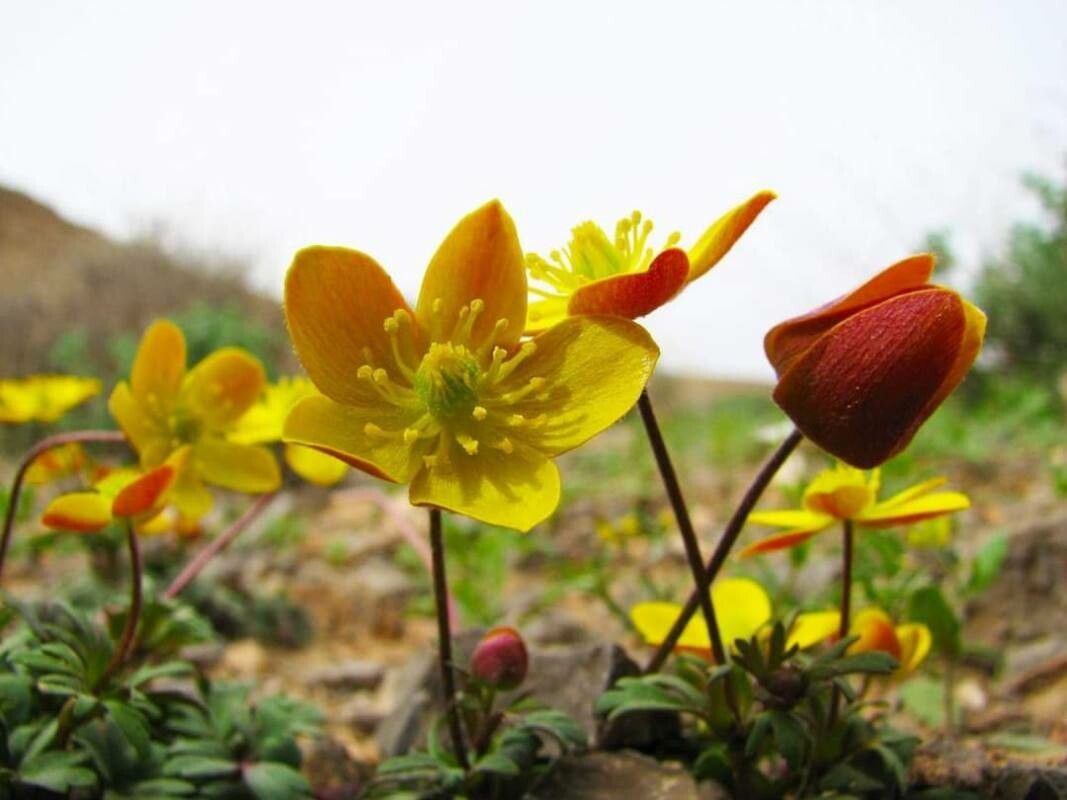
Unlocking the Secret to More Yellow Windflowers: Propagating Anemone palmata
The Anemone palmata, also known as the yellow windflower, brings a burst of sunshine to any garden with its cheerful, buttercup-like blooms. These charming perennials are native to the Mediterranean region and thrive in sunny locations with well-drained soil. While you can easily find them in nurseries, there’s a certain satisfaction that comes from propagating your own. Let’s delve into the world of Anemone palmata propagation and discover the secrets to multiplying your stock.
Two Paths to Propagation: Seed vs. Division
Anemone palmata offers two primary methods of propagation: seeds and division. Each approach has its own pros and cons, catering to different preferences and skill levels.
1. Sowing the Seeds of Success
Starting Anemone palmata from seed can be a rewarding experience, though it requires a bit more patience. Here’s a step-by-step guide:
- Seed Collection and Preparation: Collect seeds from your existing plants in late spring or early summer as the seedheads begin to dry. Alternatively, purchase fresh seeds from reputable suppliers.
- Sowing Time: For best results, sow your seeds in the fall. This allows them to experience a natural cold stratification period over winter, which is crucial for germination.
- Sowing Medium and Conditions: Use a well-draining seed starting mix and sow the seeds thinly on the surface. Lightly press them into the soil but avoid burying them deeply. Keep the soil consistently moist but not waterlogged. Place the seed tray in a cool, sheltered location.
- Germination: Be patient! Germination can take anywhere from a few weeks to several months. Once the seedlings emerge and have a few sets of true leaves, you can carefully transplant them into individual pots.
- Planting Out: Harden off the seedlings gradually before planting them out into their final location in the garden the following spring.
2. Dividing and Conquering: Propagation by Division
Division is a faster and generally more reliable method for propagating Anemone palmata, especially for beginners:
- Timing is Key: The ideal time for division is in early spring or fall when the plants are dormant or just starting into growth.
- Gentle Separation: Carefully dig up a mature clump of Anemone palmata, ensuring you get a good root ball. Gently tease apart the clump into smaller sections, each with a healthy set of roots and shoots.
- Replanting: Replant the divisions at the same depth they were originally growing. Choose a well-drained location with plenty of sunlight. Water well after planting.
Tips for Success:
- Well-Drained Soil is Crucial: Anemone palmata despises soggy roots! Ensure your soil is well-draining to prevent root rot. Amending the soil with compost or grit can help.
- Sunlight is Your Friend: Choose a sunny location for your Anemone palmata. While they tolerate some light shade, they will produce more flowers with ample sunlight.
- Keep Them Hydrated (But Not Waterlogged): Water regularly, especially during dry periods. However, allow the soil to dry out slightly between waterings.
By following these tips, you can confidently propagate your Anemone palmata and enjoy cascades of sunny blooms year after year. Whether you choose the patience of seeds or the immediacy of division, the rewards of propagating your own plants are well worth the effort. So, roll up your sleeves, get your hands dirty, and watch your garden flourish with the vibrant beauty of Anemone palmata!