
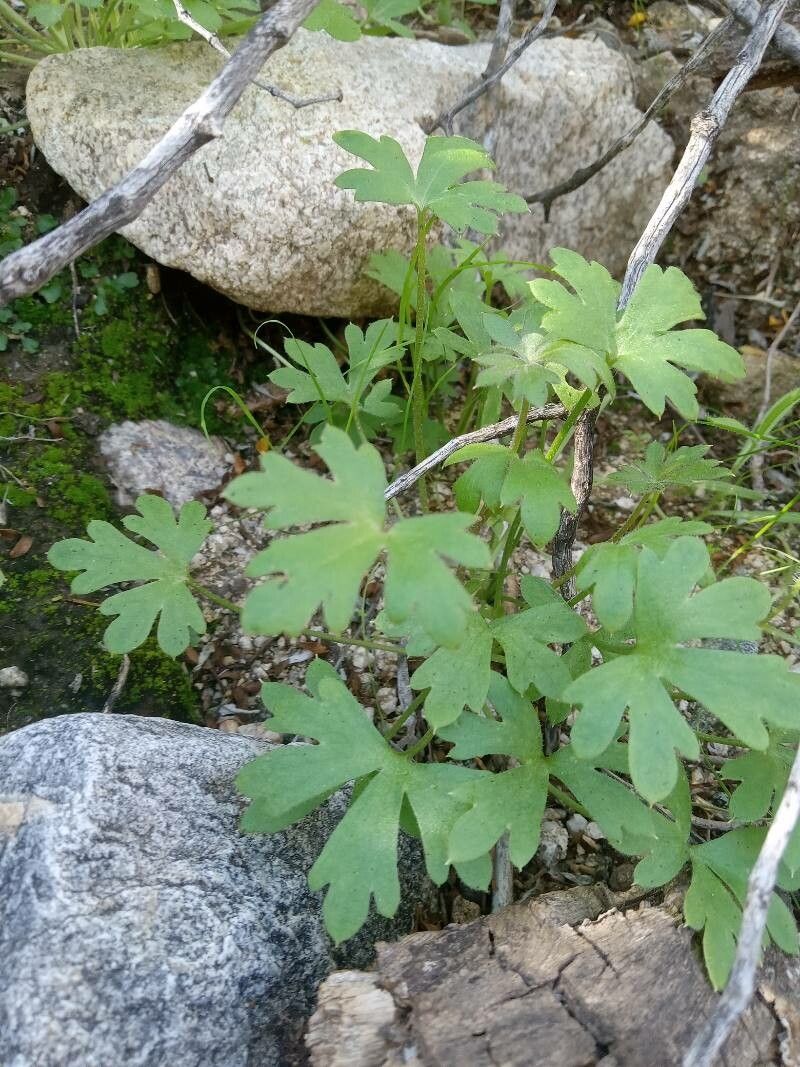
Waking Up Beauty: How to Propagate Anemone Tuberosa
The Anemone tuberosa, also known as the Windflower or Poppy Anemone, graces gardens with its delicate, poppy-like blooms in shades of cream, pink, and purple. These springtime ephemerals, unfortunately, have a relatively short blooming season. But don’t despair! Propagating Anemone tuberosa is a rewarding way to ensure your garden is filled with these delightful blooms for years to come.
Getting Started: It’s All About the Tubers
Unlike many plants propagated from seeds or cuttings, Anemone tuberosa utilizes fascinating little structures called tubers. These tubers, resembling small, wrinkled claws, are essentially underground storage units packed with nutrients and the potential for new growth.
Method 1: Tuber Division
The most effective method for propagating Anemone tuberosa is through tuber division. Here’s how:
- Timing is Key: The best time for division is late summer or early fall, after the foliage has died back and the plant has entered dormancy.
- Gentle Excavation: Carefully dig up the tuberous clumps using a garden fork, ensuring you don’t damage the delicate tubers.
- Divide and Conquer: Gently separate the tubers, ensuring each section has at least one “eye” or growth point. Discard any damaged or diseased tubers.
- Replanting: Choose a spot with well-draining soil and full sun to partial shade. Plant the divided tubers 2-3 inches deep and around 6 inches apart.
- Water Wisely: Water the newly planted tubers lightly to settle them in. Avoid overwatering, as soggy soil can lead to rot.
Method 2: Starting from Seed (A Test of Patience)
While possible, propagating Anemone tuberosa from seed can be a bit more challenging and requires a good deal of patience. Here’s what you can do:
- Collecting Seeds: Allow the seed heads to dry completely on the plant. Collect the seeds and store them in a cool, dry place until ready to sow.
- Sowing Time: Start seeds indoors 6-8 weeks before the last expected frost.
- Sowing Surface: Scatter the seeds over a well-draining seed starting mix, but do not bury them. Light is required for germination.
- Patience is Key: Germination can be erratic and may take several weeks or even months.
- Transplanting Triumph: Once the seedlings are large enough to handle, transplant them into individual pots or directly into the garden after the danger of frost has passed. Keep in mind that it may take a few years for them to bloom.
Tips for Success:
- Soaking Strategy: Soaking the tubers in lukewarm water for a few hours before planting can help rehydrate them and encourage faster growth.
- Well-Drained Soil is Crucial: Anemone tuberosa requires well-drained soil to prevent tuber rot. Amend heavy clay soils with compost or sand for better drainage.
- Provide Winter Protection: In colder climates, mulch around the base of the plants with a layer of compost or shredded leaves for winter protection.
Propagating Anemone tuberosa is a fulfilling endeavor that rewards you with an abundance of these beautiful blooms. With a little care and patience, you can create a breathtaking display of these charming flowers, ensuring your garden is filled with their ephemeral beauty year after year.