
Propagating Anemonoides nikoensis: A Gardener’s Guide
Introduction
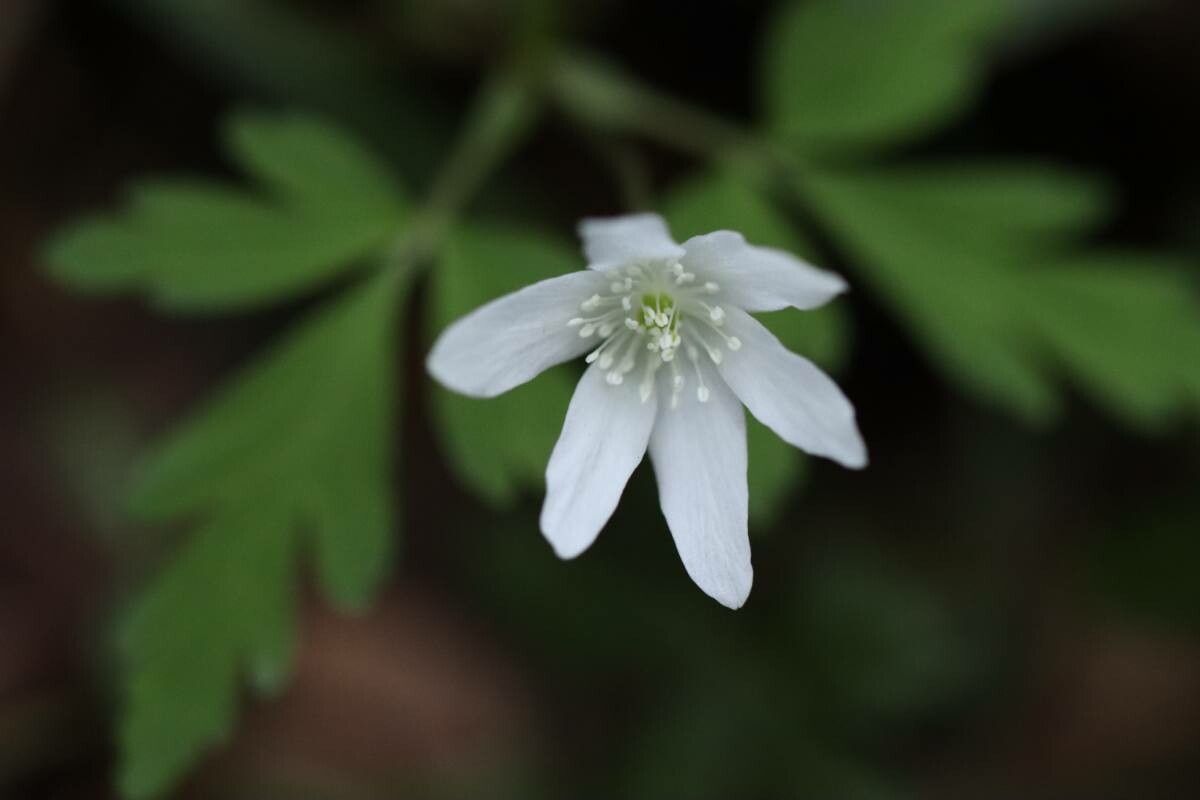
Anemonoides nikoensis, commonly known as Nikko buttercup or Nikko anemone, is a charming perennial prized for its delicate, white, bowl-shaped flowers and attractive, finely divided foliage. Native to Japan, this plant has earned a place in many gardeners’ hearts for its beauty and relative ease of cultivation in shaded, moist environments. Its propagation, however, presents a unique set of challenges, making successful cultivation all the more rewarding. While readily available commercially, understanding the nuances of propagating Anemonoides nikoensis allows for expansion of existing collections and exploration of genetic diversity.
Seed Germination
Currently, there are no known reliable methods for seed germination propagation of Anemonoides nikoensis. While the plant produces seeds, germination rates are reportedly extremely low, even under optimal conditions. Further research is needed to determine if specific pre-treatment techniques, such as scarification or specialized stratification protocols, could improve success.
Cuttings
Propagating Anemonoides nikoensis from cuttings presents moderate challenges. Softwood cuttings taken in early summer, just as new growth emerges, offer the best chance of success.
- Challenges: Cuttings are relatively slow to root, and success rates can vary depending on environmental conditions and the sharpness of the cutting tool. Maintaining high humidity is crucial to prevent desiccation.
- Tips: Use a sharp, sterile blade to take cuttings approximately 4-6 inches long, removing lower leaves to prevent rot. Dip the cut ends in rooting hormone before planting in a well-draining mix of perlite and peat moss. Cover with a plastic dome or propagator to maintain humidity. Provide bright, indirect light and consistent moisture.
- Rewards: Cuttings allow for the preservation of desirable traits in existing plants, particularly if they exhibit unique flower forms or foliage characteristics.
Division
Division is arguably the most reliable method for propagating Anemonoides nikoensis.
- Challenges: The best time for division is during the plant’s dormancy period in late autumn or early spring. Care must be taken to avoid damaging the delicate roots.
- Tips: Gently lift the mature clump and carefully separate it into smaller sections, ensuring each division has healthy roots and several growing points. Replant the divisions immediately, maintaining the original soil depth. Water thoroughly after planting.
- Rewards: Division is a relatively quick and easy method, producing viable plants more reliably than other propagation methods. It also allows for the relatively rapid expansion of existing plant stocks.
Tissue Culture
Tissue culture offers the potential for large-scale propagation of Anemonoides nikoensis, but it requires specialized equipment and expertise.
- Challenges: Establishing sterile conditions and maintaining aseptic techniques are crucial to prevent contamination. Developing appropriate media formulations for optimal growth and shoot multiplication is also critical.
- Tips: This method is best left to specialized nurseries or labs with experience in plant tissue culture.
- Rewards: Tissue culture allows for rapid and large-scale propagation, offering a pathway for efficient mass production of the plant.
Conclusion
Propagating Anemonoides nikoensis presents a range of challenges, from the near-impossibility of seed propagation to the relatively low success rates of cuttings. Division emerges as the most reliable and practical approach for the home gardener. While tissue culture holds potential for large-scale production, it requires significant resources and expertise. Despite these difficulties, the unique beauty of Anemonoides nikoensis and the satisfaction of successfully cultivating it from a cutting or division makes the effort worthwhile. Patience, attention to detail, and a willingness to experiment will ultimately reward the dedicated propagator with flourishing clumps of these elegant plants for years to come. Don’t be discouraged by setbacks; the journey towards success is a significant part of the horticultural experience.