
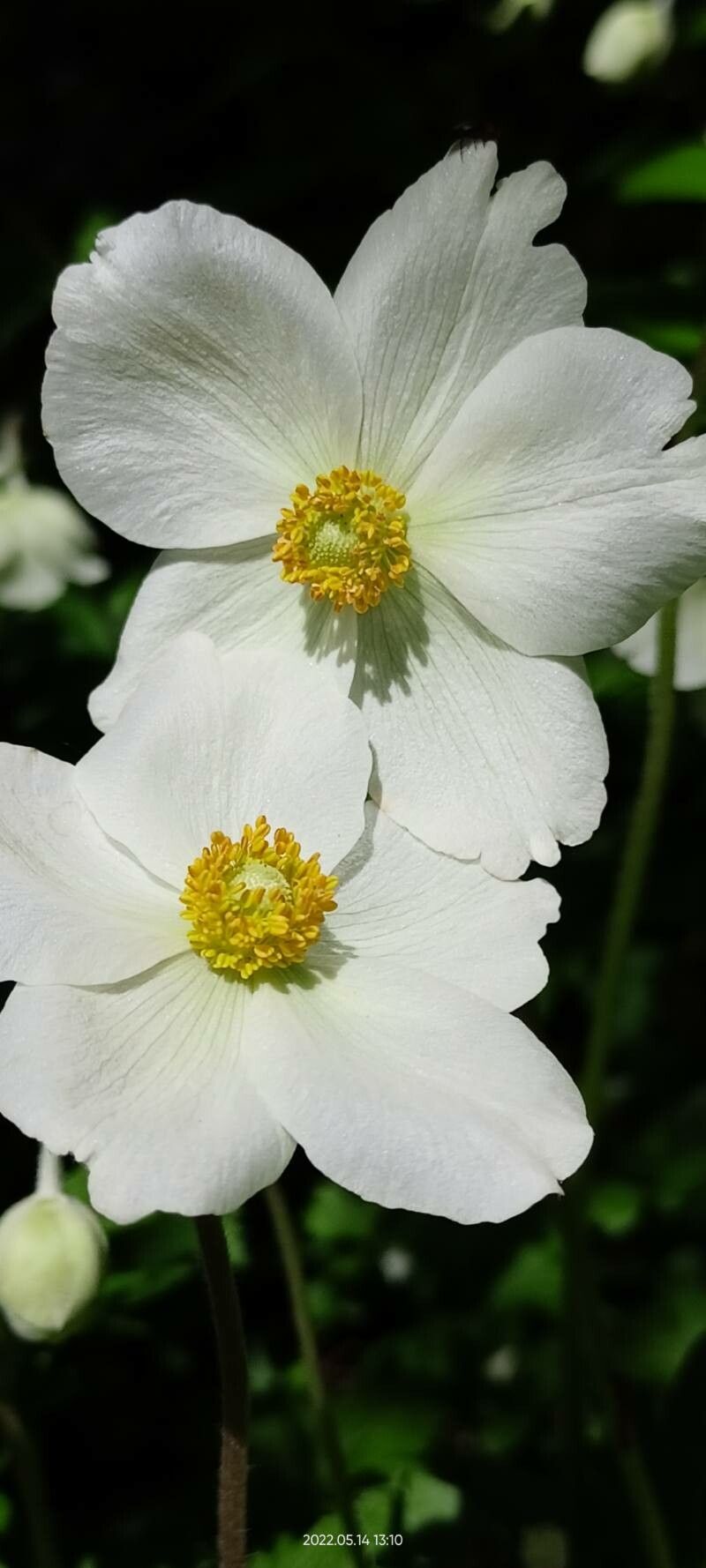
Propagating the Snowdrop Anemone: A Gardener’s Guide to Anemonoides sylvestris
Anemonoides sylvestris, commonly known as the snowdrop anemone or wood anemone, is a charming perennial prized for its delicate, cup-shaped white flowers that bloom in late spring. Its elegant, finely dissected foliage provides attractive ground cover even after the flowering period. This makes it a popular choice amongst gardeners seeking a low-maintenance, naturalizing addition to woodland gardens, borders, or rock gardens. While relatively easy to grow, propagating Anemonoides sylvestris presents some unique challenges and rewards, depending on the chosen method.
Seed Germination:
Currently, there are no known reliable methods for seed germination propagation of Anemonoides sylvestris. While the plant produces seeds, germination rates are notoriously low and unpredictable, making this method impractical for the average gardener. Further research may uncover successful techniques, but currently, it’s not a viable option for widespread propagation.
Cuttings:
Cuttings are also not a reliable method for propagating Anemonoides sylvestris. The plant’s physiological structure does not lend itself easily to root formation from stem or leaf cuttings. Attempts at propagation through cuttings have generally yielded poor results.
Division:
Division is the most successful and widely recommended method for propagating Anemonoides sylvestris. This technique involves carefully separating the plant’s clump into smaller sections, each containing sufficient roots and shoots.
Challenges: The best time for division is after flowering, in early summer when the soil is relatively moist. Care must be taken not to damage the delicate roots. Improper handling can lead to plant failure.
Practical Tips: Use a sharp, clean spade or knife to divide the clump. Ensure each division has healthy roots and at least a few growing points. Replant the divisions immediately in well-prepared, moist soil in a location with dappled shade or partial sun. Water regularly until established.
Rewards: Division offers a high success rate, allowing for quick expansion of existing plants and the creation of new colonies. It’s efficient and relatively straightforward, making it ideal for gardeners of all skill levels.
Tissue Culture:
Tissue culture offers the potential for large-scale propagation of Anemonoides sylvestris, but it requires specialized equipment, sterile conditions, and horticultural expertise. This method is not practical for home gardeners.
Challenges: Establishing a sterile workspace and mastering the intricate techniques of tissue culture are significant hurdles. The process requires specialized knowledge and materials, making it costly and time-consuming.
Practical Tips: This method is best left to commercial nurseries or research facilities with the necessary resources.
Rewards: Tissue culture allows for the rapid multiplication of genetically identical plants, preserving desirable traits. It also overcomes limitations associated with seed germination and division.
Conclusion:
Propagating Anemonoides sylvestris presents a unique set of challenges, but the rewards of successfully cultivating this elegant plant are well worth the effort. While seed germination and cuttings prove unreliable, division offers a practical and rewarding method accessible to most gardeners. The more demanding technique of tissue culture is best left to professionals. The satisfaction of nurturing a small division into a thriving colony of snowdrop anemones underlines the unique connection gardeners forge with their plants, making even the most challenging propagation attempts fulfilling. So embrace the challenge, and enjoy the beauty of your own cultivated patch of Anemonoides sylvestris.