
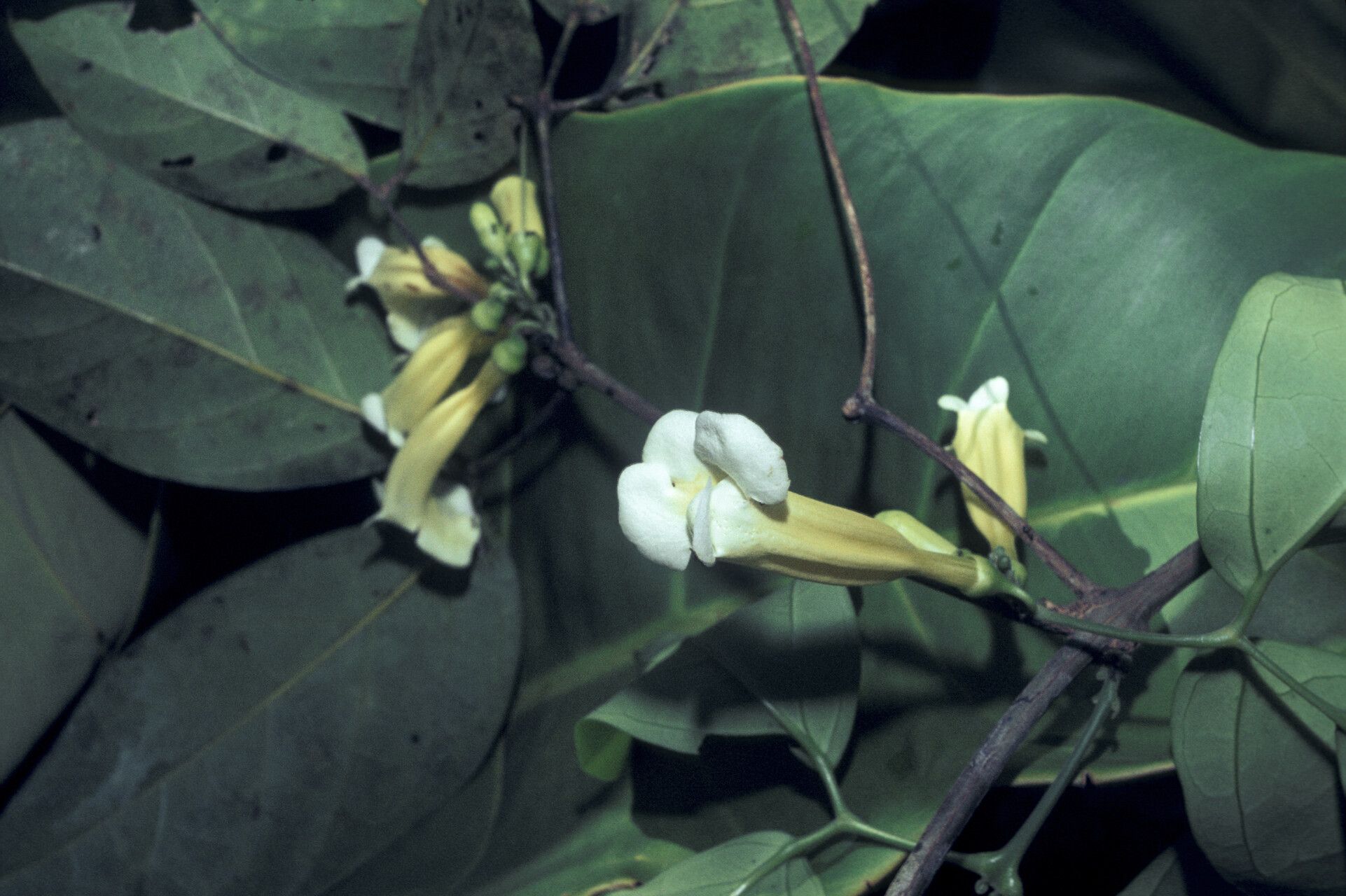
Propagating Anemopaegma parkeri: A Guide to Growing the Golden Trumpet Vine
Introduction:
Anemopaegma parkeri, commonly known as the Golden Trumpet Vine, is a captivating flowering vine prized for its vibrant, golden-yellow trumpet-shaped blooms. Its vigorous growth habit and dazzling floral display make it a highly sought-after plant among gardeners, particularly those seeking a striking addition to their vertical gardens or trellises. However, propagating this species can present unique challenges. This article explores various propagation methods, highlighting their feasibility and providing practical guidance for successful cultivation.
Seed Germination:
Currently, there are no known reliable methods for seed germination propagation of Anemopaegma parkeri. While seeds may be produced, their germination rate is extremely low, and successful germination, if achievable, is likely to require specialized techniques not yet widely documented or readily available to home growers. Further research into seed dormancy and germination requirements is needed.
Cuttings:
Cuttings offer a more reliable method for propagating Anemopaegma parkeri.
Challenges: Success with cuttings hinges on proper timing and technique. The ideal time for taking cuttings is during the active growth period, typically spring or early summer. Using semi-hardwood cuttings (partially matured stems) generally yields the best results. Root rot is a potential issue if the cuttings remain too wet.
Practical Tips: Take cuttings approximately 4-6 inches long, removing the lower leaves to prevent rotting. Dip the cut ends in a rooting hormone powder to stimulate root development. Plant the cuttings in a well-draining propagation mix (e.g., perlite and peat moss) and maintain a humid environment, ideally using a propagator or covering the cuttings with a clear plastic bag. Consistent moisture is crucial, but avoid overwatering.
Rewards: Cuttings offer a relatively quick way to multiply existing plants, preserving the genetic characteristics of the mother plant. This is a practical method for smaller-scale propagation and for maintaining desirable cultivars.
Division:
Division is generally not a practical method for propagating Anemopaegma parkeri. The plant does not typically produce readily separable underground parts suitable for division.
Tissue Culture:
Tissue culture offers the potential for large-scale propagation of Anemopaegma parkeri, bypassing some of the challenges associated with seed germination and cuttings.
Challenges: Tissue culture requires specialized equipment, sterile conditions, and a detailed understanding of plant tissue culture techniques. This is not a feasible method for most home gardeners.
Practical Tips: This method requires a controlled environment with sterile media and growth hormones. It involves establishing aseptic cultures from small plant tissues, which are then grown in vitro until plantlets develop, which can then be acclimatized and transferred to soil.
Rewards: Tissue culture yields a high number of genetically identical plants, allowing for rapid and large-scale propagation, especially useful for commercial purposes or conservation efforts. However, this method requires significant investment in equipment and expertise.
Conclusion:
Propagating Anemopaegma parkeri presents unique challenges, with cuttings proving the most accessible and reliable method for the average gardener. Seed germination remains largely unexplored while division is impractical and tissue culture is best suited for professional settings. The rewards, however, are significant: the satisfaction of nurturing a cutting into a thriving, flowering vine, showcasing the beauty of its golden trumpets, is a testament to patience and horticultural skill. While some methods may present steep learning curves, the stunning visual reward of a successfully propagated Anemopaegma parkeri makes the effort well worth it for those willing to embrace the challenge. Don’t be discouraged by initial setbacks; diligent experimentation and careful attention to detail are key to unlocking the secrets of propagating this magnificent vine.