
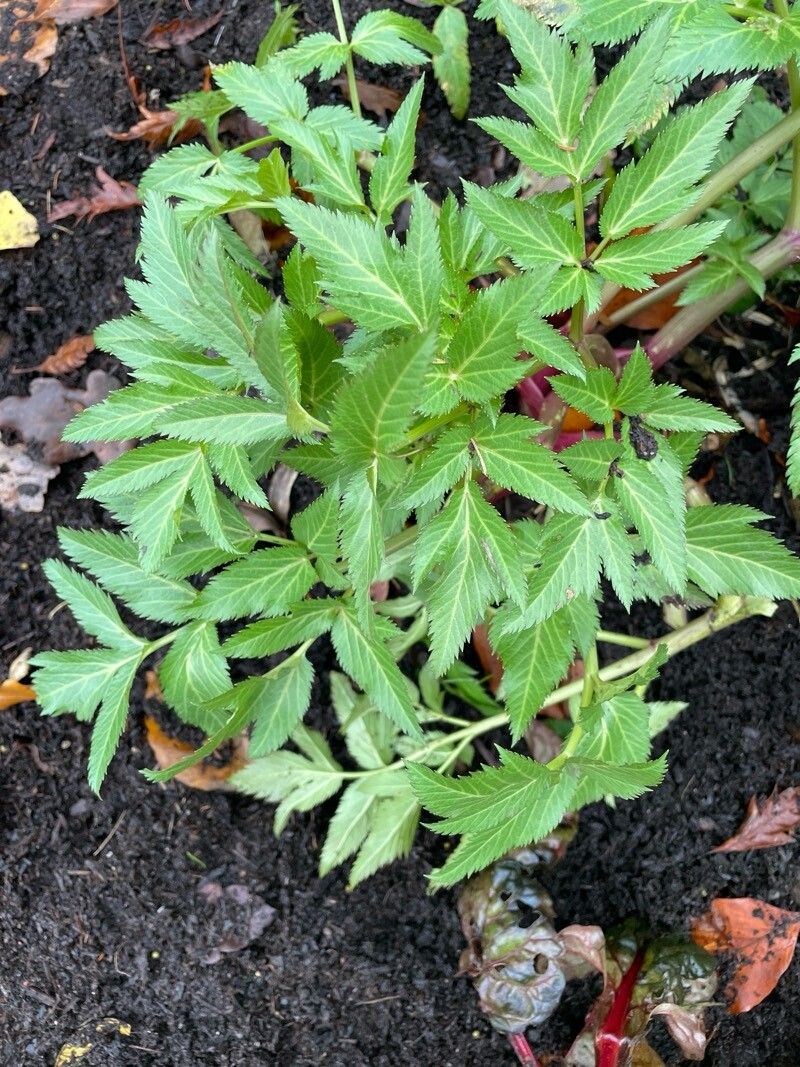
Propagating Angelica archangelica: A Gardener’s Guide to the Holy Ghost
Angelica archangelica, commonly known as garden angelica, is a striking biennial or short-lived perennial herb prized for its large, fern-like leaves, imposing stature, and fragrant, umbel-shaped flowers. Its historical significance as a medicinal plant and its use in confectionery and liqueurs adds to its horticultural appeal, making it a highly sought-after addition to many gardens. However, propagating this majestic plant presents unique challenges, offering a rewarding experience for the dedicated gardener.
Seed Germination:
Seed germination is a viable method for propagating Angelica archangelica, but it presents several hurdles. The seeds exhibit considerable dormancy, necessitating a period of stratification – a process mimicking the natural winter chilling required for germination. This typically involves mixing the seeds with moist peat moss or vermiculite, placing them in a sealed container (e.g., a zip-lock bag), and refrigerating them for 6-8 weeks at temperatures between 33-40°F (0-4°C).
After stratification, sow seeds directly outdoors in a well-prepared, moist, and slightly alkaline seedbed in spring or autumn. Sow thinly, covering with a fine layer of soil. Maintain consistent moisture, avoiding both waterlogging and drying out. Germination can be slow and erratic, often taking several weeks or even months.
Challenges: Low germination rates, slow germination, environmental sensitivity.
Tips: Stratification is crucial, use fresh seeds (less than a year old for best results), maintain consistent moisture, sow thinly.
Rewards: High genetic diversity, potential for large-scale propagation, relatively inexpensive method.
Cuttings:
Currently, there are no known reliable methods for propagation of Angelica archangelica from cuttings. The plant’s herbaceous nature and limited capacity for adventitious root formation make vegetative propagation through cuttings difficult, if not impossible.
Division:
Division is a viable method, working best when plants are relatively young (before they become truly massive and woody). Division should take place in spring or autumn when the plant is dormant or actively growing. Carefully dig up the established plant, gently separate the crown into several smaller sections, each with well-developed roots and shoots. Replant immediately, ensuring the divided sections are planted at the same depth as the original plant.
Challenges: Requires an established plant, may damage the mother plant if done improperly, can be difficult to divide late-season plants.
Tips: Divide in spring or autumn, use a sharp knife or spade to cleanly separate the crown, replant immediately and keep well watered.
Rewards: Quick establishment of new plants, ensures the genetic uniformity of the original plant.
Tissue Culture:
Tissue culture offers a potential method for the large-scale propagation of Angelica archangelica, although this is typically a specialized laboratory technique. It involves cultivating plant tissues in a sterile environment on a nutrient medium. This method allows for the rapid production of numerous genetically identical plantlets.
Challenges: Requires specific laboratory equipment and expertise, costly, not suitable for home propagation.
Tips: Requires specialized training and protocols.
Rewards: Large-scale production, disease-free plantlets, potential for preservation of rare cultivars.
Conclusion:
Propagating Angelica archangelica presents a unique set of challenges, varying significantly depending on the chosen method. While seed germination offers the potential for genetic diversity but a lower success rate, division is a more reliable method for the home gardener, but only applicable to established plants. Tissue culture offers a solution for large-scale production, but requires specialized equipment and expertise. The rewards of successfully cultivating this imposing and historically significant herb, however, are substantial and surpass the difficulties. The satisfaction of nurturing a seed into a majestic plant or coaxing a division into a strong specimen is a testament to both skill and patience. For the aspiring propagator, patience, attention to detail, and a willingness to experiment are key ingredients to success. With perseverance, you too can enjoy the beauty and unique qualities of Angelica archangelica in your garden.