
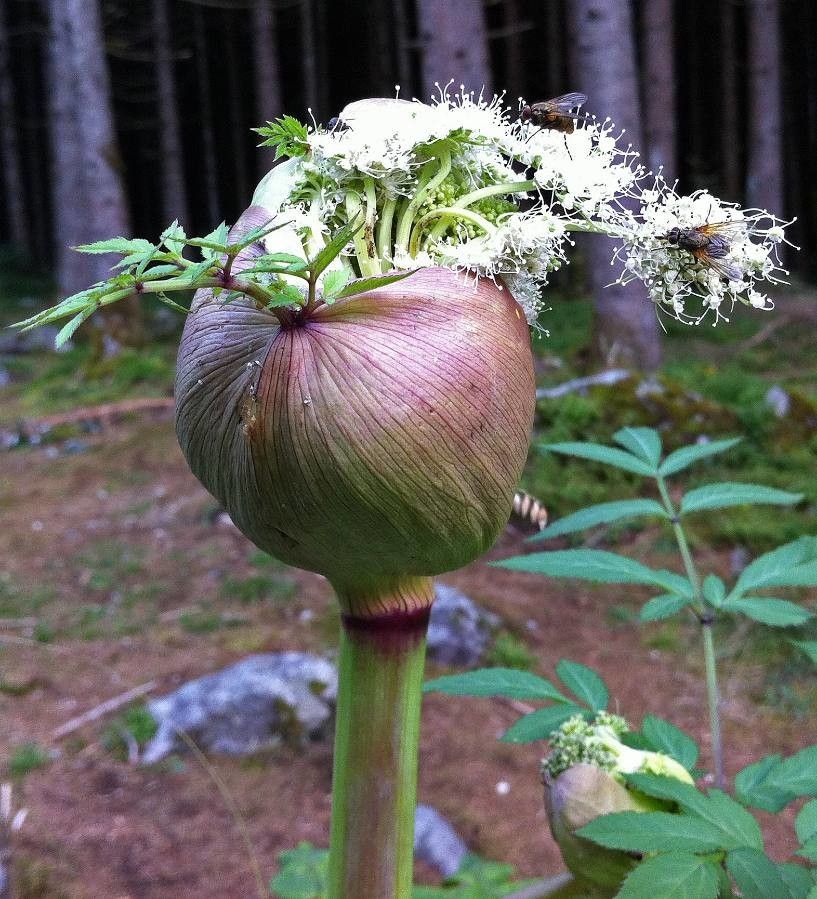
Propagating Wild Angelica (Angelica sylvestris): A Gardener’s Guide
Introduction:
Angelica sylvestris, commonly known as Wild Angelica or Wood Angelica, is a striking biennial or short-lived perennial herb belonging to the Apiaceae family. Characterized by its tall, robust stems, finely divided fern-like leaves, and delicate umbels of small, greenish-white flowers, it adds a captivating architectural element to wildflower meadows, cottage gardens, and naturalistic planting schemes. Its popularity stems from its dramatic appearance, its ability to attract pollinators, and its historical uses in herbal remedies (though caution is advised as some species are toxic). Propagating Wild Angelica, however, presents unique challenges, making successful cultivation a rewarding experience for the dedicated gardener.
Seed Germination:
Seed germination is a viable, albeit challenging, method for propagating Angelica sylvestris. The primary hurdle lies in the seed’s requirement for stratification—a period of cold, moist treatment mimicking winter conditions—to break dormancy.
Challenges: Seeds often exhibit low germination rates and inconsistent results. Imperfect stratification can lead to poor or no germination.
Practical Tips: Collect seeds as soon as they are mature but still green and plump. Sow them immediately outdoors in a well-draining seedbed, or stratify them artificially. For artificial stratification, mix seeds with moist vermiculite or peat moss and store them in a sealed container in the refrigerator at 3-4°C (37-39°F) for 8-12 weeks prior to sowing. Sow seeds thinly in spring, pressing them lightly into the soil surface. Maintain consistently moist but not waterlogged conditions.
Rewards: Successful germination from seed offers the significant advantage of increased genetic diversity within your collection and the potential for large-scale propagation.
Cuttings:
Currently, there are no known reliable methods for propagation of Angelica sylvestris from cuttings. The plant’s physiology does not lend itself easily to this method.
Division:
Division is a practical method for propagating established Angelica sylvestris plants.
Challenges: Wild Angelica has a taproot and can be challenging to divide without damaging the root system. Successful division hinges on careful handling.
Practical Tips: Divide only mature plants in spring or early autumn. Carefully dig up the entire plant and use sharp, clean tools to separate sections, ensuring each division has a healthy portion of both roots and shoots. Replant immediately, ensuring ample spacing to avoid overcrowding.
Rewards: Division offers relatively quick establishment of new plants, preserving genetic traits of the parent plant.
Tissue Culture:
While tissue culture is a potential method for mass propagation, it’s not commonly employed for Angelica sylvestris on a home gardening scale. It involves complex procedures requiring specialized equipment and expertise typically found in research labs or commercial plant nurseries.
Conclusion:
Propagating Angelica sylvestris presents various challenges, with seed germination requiring careful stratification and division demanding skillful handling. Cuttings and tissue culture aren’t commonly successful methods. However, the rewards—be it the genetic diversity from seed-grown plants or the quick establishment from division—make the effort worthwhile. The satisfaction of coaxing this striking plant from seed or successfully dividing a mature specimen is immense, a true testament to your gardening skills and patience. Don’t be discouraged by initial setbacks; the unique beauty of Angelica sylvestris makes the cultivation journey a truly gratifying endeavor. Remember to research specific cultivars to determine the ideal method and timing for propagation.