
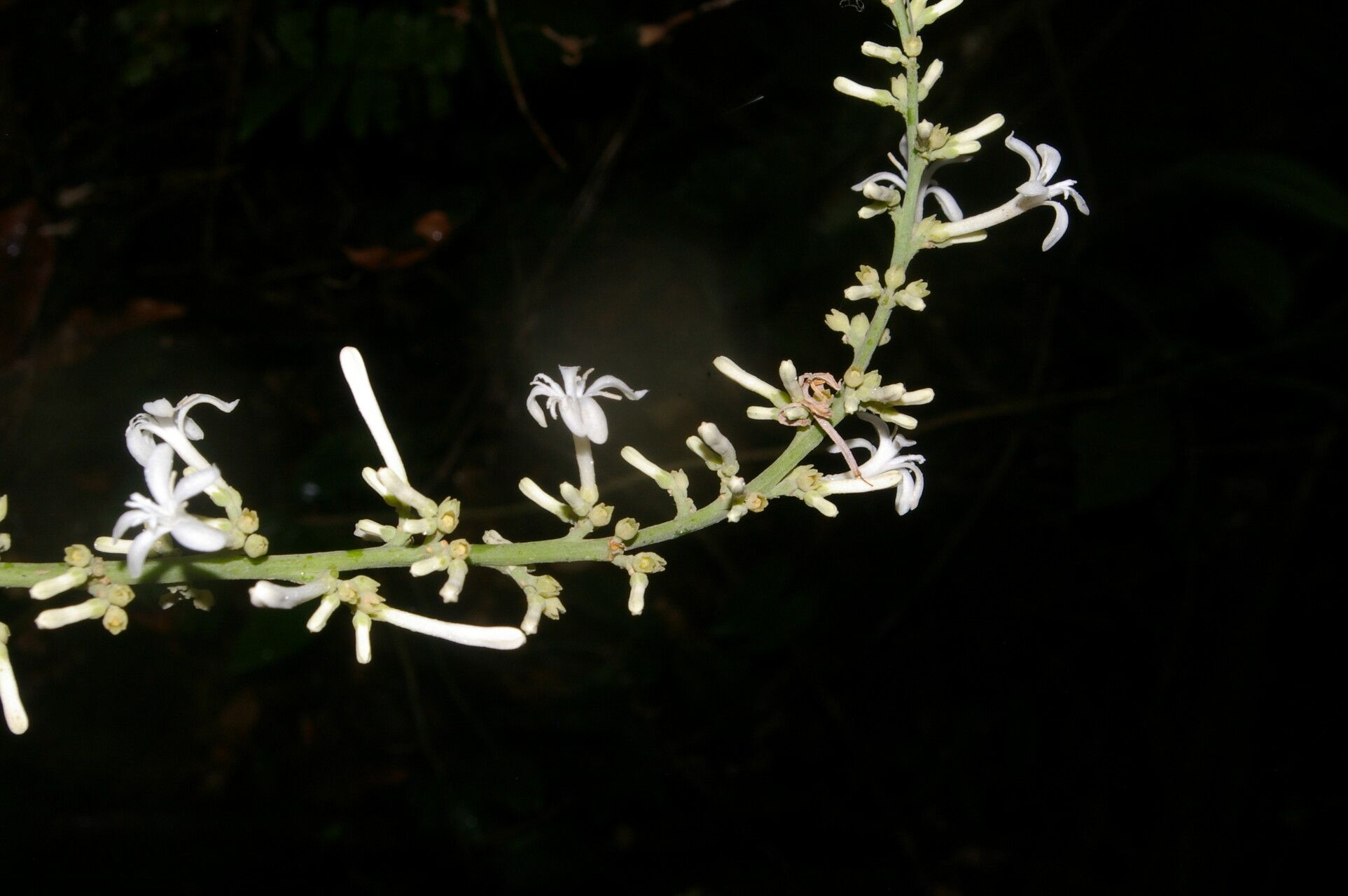
Propagating Angostura granulosa: A Gardener’s Challenge
Angostura granulosa, also known as the Angostura bark tree or false angostura, is a captivating plant prized for its aromatic bark and striking appearance. While less common in cultivation than some other ornamental trees, its unique characteristics and relatively slow growth make it a rewarding challenge for the dedicated gardener. Its propagation, however, presents several hurdles, making successful cultivation all the more satisfying. This article explores different propagation methods for this fascinating species.
Seed Germination:
Currently, there are no known reliable methods for seed germination propagation of Angostura granulosa. While seeds may be produced, their viability is notoriously low, and germination rates, if any, are extremely poor. Further research is needed to determine if specific pre-treatment techniques, such as scarification or stratification, could improve germination success. The lack of reliable seed germination limits the potential for large-scale propagation and the preservation of genetic diversity through this method.
Cuttings:
Cuttings offer a more promising avenue for propagating Angostura granulosa.
Challenges: Rooting cuttings can be difficult due to the plant’s relatively slow growth and potential susceptibility to fungal diseases. The success rate is heavily dependent on factors such as the timing of taking cuttings (ideally semi-hardwood cuttings in late summer/early autumn), the use of rooting hormone, and the maintenance of optimal humidity and temperature levels.
Practical Tips: Use sharp, sterile tools to take cuttings approximately 10-15cm long, ensuring at least two nodes are included. Dip the cut ends in rooting hormone before planting in a well-draining propagation mix (e.g., a mix of perlite and peat moss). Maintain high humidity using a propagator or plastic bag, and provide bottom heat to stimulate root development. Regular misting is crucial to prevent desiccation.
Rewards: Successful propagation from cuttings allows for the creation of genetically identical plants, preserving desirable traits. It also provides a quicker method of propagation compared to other techniques.
Division:
Division is not a feasible method for propagating Angostura granulosa. This species typically develops a singular, robust taproot, making division unlikely to result in successful propagation of independent plants. Attempts at division would likely damage the parent plant significantly and result in mortality for the separated portions.
Tissue Culture:
Tissue culture presents a potentially viable, albeit complex and specialized, method for propagating Angostura granulosa.
Challenges: Establishing a successful tissue culture protocol for Angostura granulosa requires significant expertise in plant tissue culture techniques, including selecting appropriate media, growth regulators, and sterilization protocols. Contamination remains a significant risk, and the optimization of growth conditions for this species would require experimentation and refinement.
Practical Tips: Expertise in sterile laboratory techniques and the use of specialized equipment are essential. A trial-and-error approach with different media formulations and growth regulators will likely be necessary to find optimal conditions for shoot multiplication and rooting.
Rewards: Tissue culture offers the potential for large-scale propagation, rapid multiplication, and the production of disease-free plants. It also presents a method for genetic improvement through techniques such as somatic embryogenesis.
Conclusion:
Propagating Angostura granulosa presents unique challenges across all methods. While seed germination is unlikely to produce viable seedlings, cuttings offer a reasonable, albeit somewhat challenging, option for the dedicated gardener. Division is not feasible. Tissue culture, while offering the potential for mass production, requires specialized skills and facilities. The rewards of successfully establishing and nurturing this fascinating plant, however, significantly outweigh the efforts involved. The unique fragrance of its bark and its aesthetic appeal make the struggle worthwhile. For those willing to embrace the challenge, the successful propagation of Angostura granulosa offers a deep sense of accomplishment and a contribution to the preservation of this intriguing species. Patience, perseverance, and careful attention to detail are key components to success.