
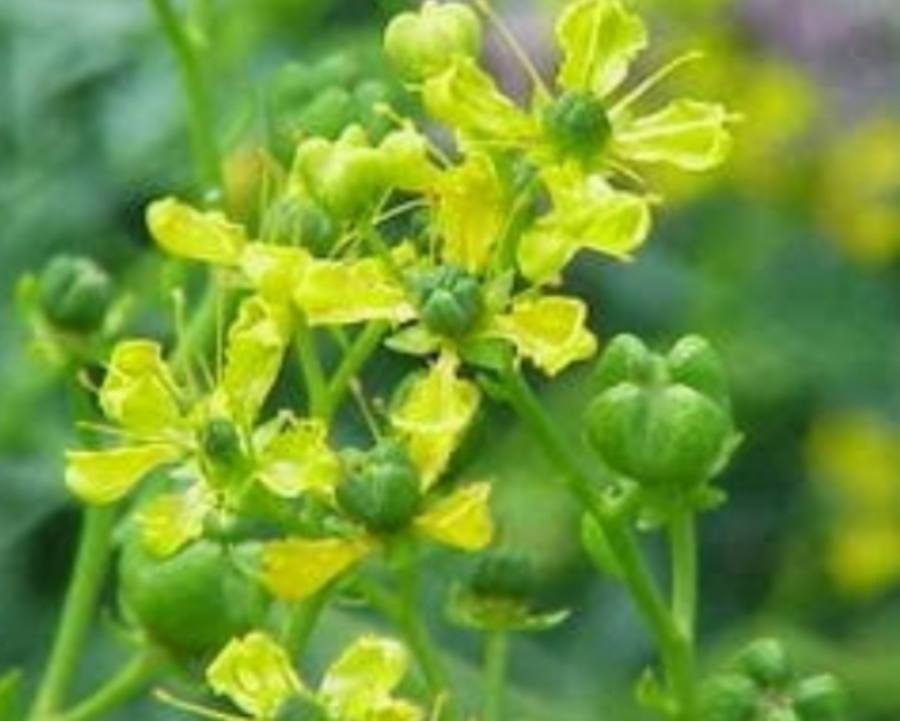
Propagating Angostura Trifoliata: A Guide for the Passionate Gardener
Angostura trifoliata, commonly known as the wild lime or false lime, is a fascinating and hardy tree valued for its fragrant foliage and attractive, albeit small, white flowers. Its unique characteristics, including its tolerance to harsh conditions and medicinal properties attributed to its bark (used traditionally in Angostura bitters), have made it increasingly popular among gardeners seeking visually appealing and resilient additions to their collections. However, propagation presents unique challenges. Successfully cultivating this aromatic tree offers a rewarding experience for those willing to invest the time and effort.
Seed Germination:
Currently, there are no known reliable methods for seed germination propagation of Angostura trifoliata. While seeds may be produced, their viability and germination rates are notoriously low, significantly hindering this method’s effectiveness for widespread propagation.
Cuttings:
Cuttings offer a more promising approach to propagating Angostura trifoliata. Challenges include the relatively slow rooting process and the potential for fungal infections. Practical Tips: Semi-hardwood cuttings taken in late summer or early autumn, approximately 4-6 inches long, generally yield the best results. The lower leaves should be removed, and a rooting hormone can significantly increase success rates. Planting in a well-draining, moist propagation mix under high humidity (e.g., using a humidity dome or propagator) is crucial. Regularly misting the cuttings will maintain humidity levels. Rewards: Cuttings offer a faster method of propagating compared to other methods and preserve the genetic characteristics of the parent plant.
Division:
Division is not a viable propagation method for Angostura trifoliata. This tree doesn’t produce readily separable root suckers or rhizomes, making this technique impractical.
Tissue Culture:
Tissue culture presents a potential, albeit specialized, avenue for Angostura trifoliata propagation. Challenges: This method requires sterile laboratory conditions, specialized equipment, and considerable expertise. Establishment of sterile cultures and achieving consistent shoot multiplication can be difficult. Practical Tips: This method requires access to a tissue culture laboratory and trained personnel. Rewards: Tissue culture enables large-scale propagation, producing numerous identical clones from a single parent plant. It can also be used to propagate plants from difficult-to-root cuttings or seeds.
Conclusion:
Propagating Angostura trifoliata presents unique challenges. While seed germination proves unreliable, cuttings offer a relatively accessible method, albeit requiring patience and attention to detail. Tissue culture holds immense potential for large-scale propagation but necessitates specialized resources and expertise. The journey, however, is undeniably rewarding. The persistent gardener who successfully nurtures a small cutting into a thriving Angostura trifoliata will experience a deep sense of accomplishment, having overcome the inherent difficulties associated with this fascinating species. For aspiring propagators, patience, meticulous attention to detail, and a willingness to learn are essential ingredients for success. Don’t be discouraged by the initial hurdles; the aromatic beauty and resilience of the resulting plant more than justify the effort.