Propagating Angraecum bracteosum: A Gardener’s Guide
Introduction:
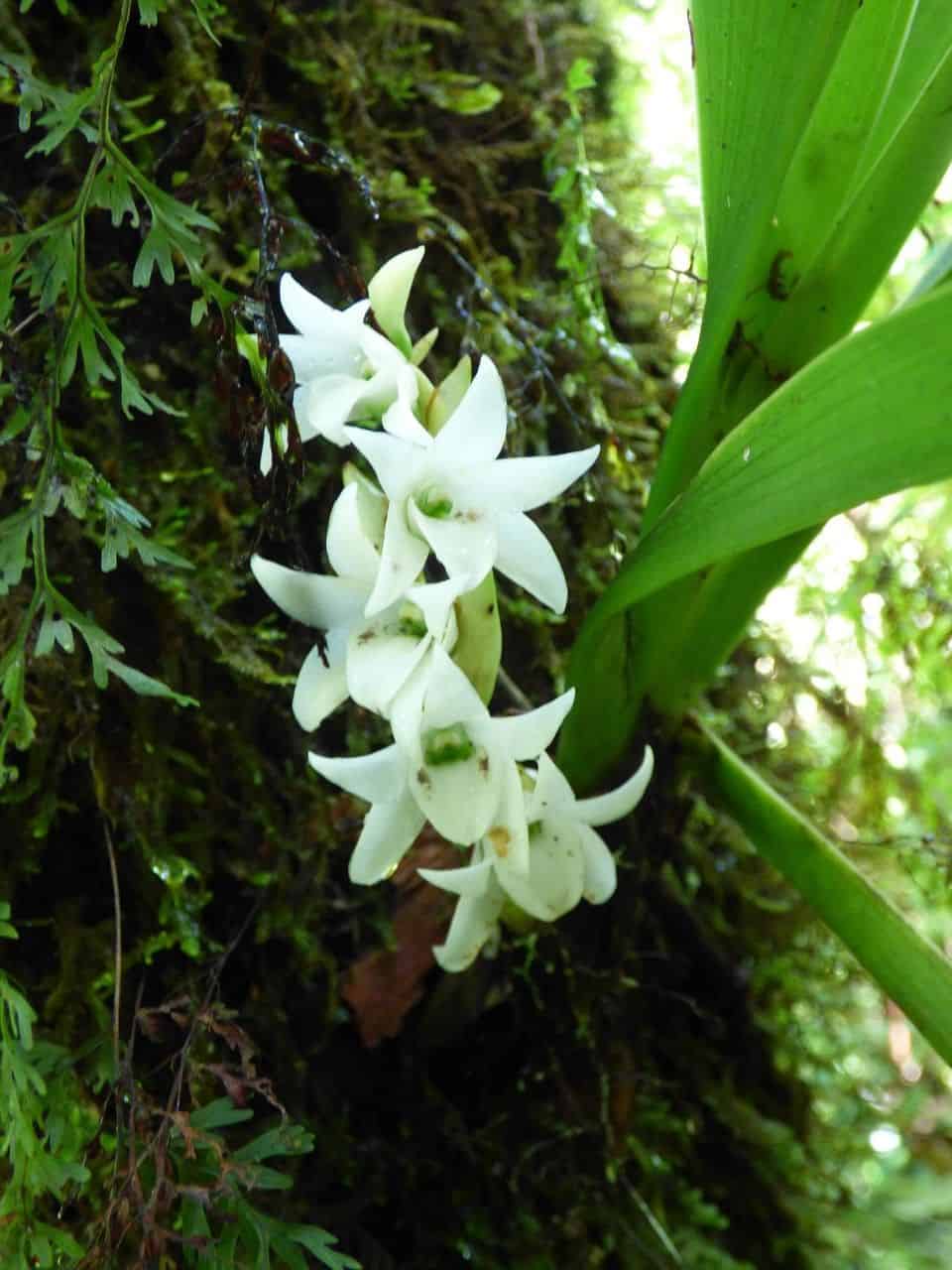
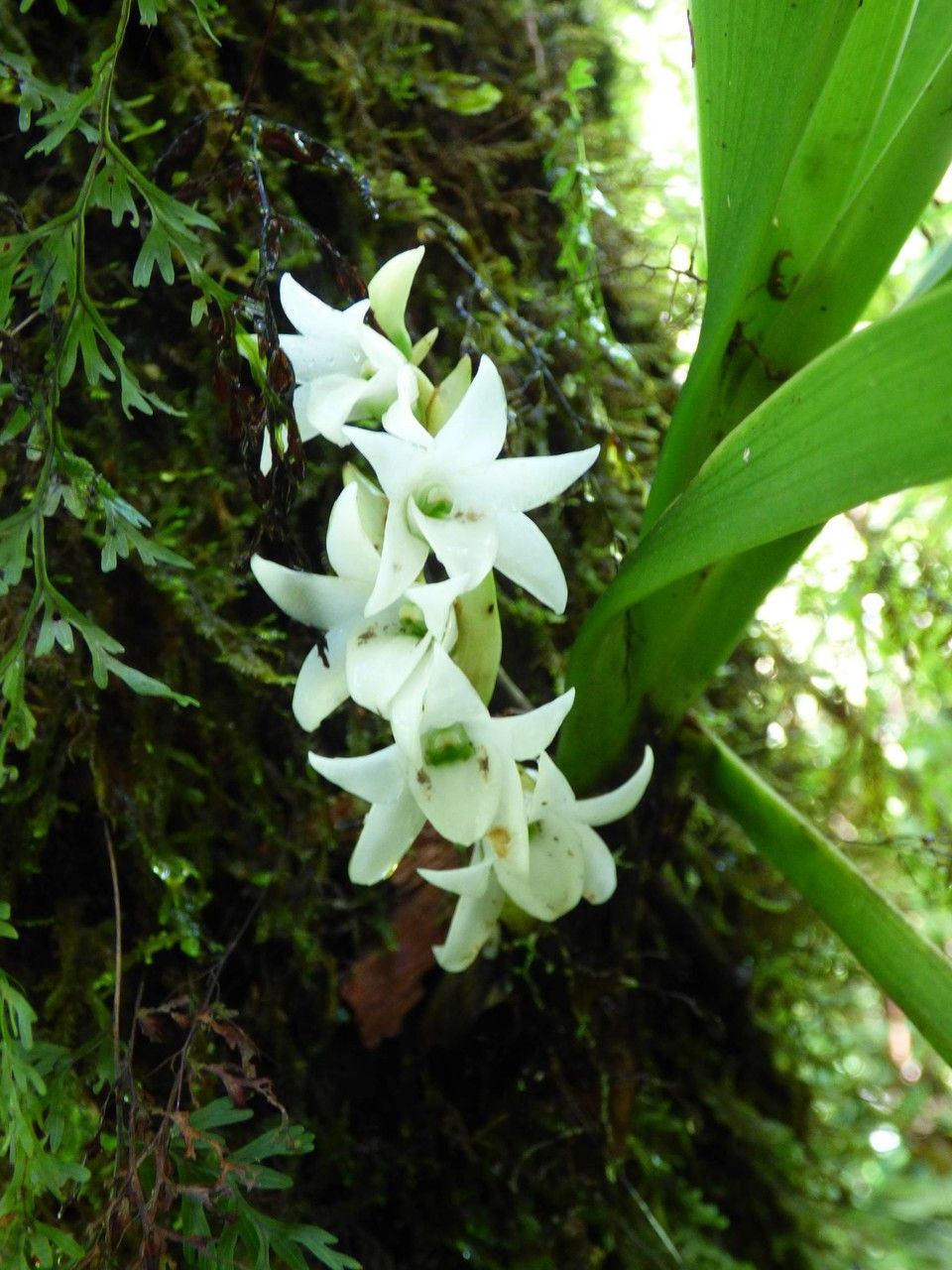
Angraecum bracteosum, sometimes known as the "Large-bracted Angraecum," is a captivating epiphytic orchid native to Madagascar. Characterized by its gracefully arching stems, substantial leaves, and striking, relatively large white flowers with a characteristic long spur, it holds a special place among orchid enthusiasts. Its beautiful blooms and challenging cultivation contribute to its popularity, making propagation a sought-after skill among experienced orchid growers. However, Angraecum bracteosum presents unique challenges in propagation, demanding patience and specialized techniques.
Seed Germination:
Currently, there are no known reliable methods for seed germination propagation of Angraecum bracteosum. Orchid seeds, including those of Angraecum bracteosum, are dust-like and lack endosperm, requiring a symbiotic relationship with specific mycorrhizal fungi for germination. Establishing this symbiotic relationship in a controlled environment is exceptionally difficult, and success rates remain extremely low, even for experienced orchid labs.
Cuttings:
Cuttings are not a viable method for propagating Angraecum bracteosum. This orchid, like many monopodial orchids, doesn’t readily produce shoots suitable for propagation from cuttings. Attempts to root stem sections usually fail due to the lack of pre-formed buds or adventitious root development capacity in the cuttings.
Division:
Division is a possible, albeit limited, method for propagating Angraecum bracteosum.
- Challenges: This method relies on the plant having developed multiple substantial growths. Dividing a plant too aggressively can severely weaken or kill it. Each division must possess a healthy root system and sufficient foliage to support its independent growth. This limits the number of propagules that can be obtained from each plant.
- Practical Tips: Division should only be undertaken when the plant is actively growing, ideally at the start of its growing season. Use a very sharp, sterile knife or shears to divide the plant, ensuring each division contains a good portion of roots and several healthy leaves. Plant each division into a well-draining potting medium suited to epiphytic orchids, and maintain high humidity and optimal light levels.
- Rewards: Division provides a relatively straightforward approach to increasing the number of plants, preserving the genetic characteristics of the parent plant. It is a sustainable way to propagate healthy, mature specimens.
Tissue Culture:
Tissue culture presents the most reliable, albeit complex, method for propagating Angraecum bracteosum.
- Challenges: This process requires a specialized laboratory setting, sterile procedures, and expert knowledge of orchid tissue culture techniques. Developing a suitable growth medium containing the essential nutrients and hormones is crucial, as is managing potential contamination issues. The initial establishment of sterile plant cultures also presents challenges.
- Practical Tips: This method should be entrusted to experienced orchid tissue culture specialists. Utilizing aseptic techniques, explant selection (usually from young, actively growing shoots), and the use of plant growth regulators are critical steps.
- Rewards: Tissue culture allows for large-scale propagation, offering high success rates and the potential to preserve rare cultivars. It enables the multiplication of desirable plants and the distribution of this beautiful orchid on a broader scale.
Conclusion:
Propagating Angraecum bracteosum presents significant horticultural challenges. While seed germination and cuttings are not currently feasible, division provides a sustainable method for limited propagation, best suited to experienced growers. Tissue culture emerges as the most effective approach for large-scale propagation, albeit requiring specialized knowledge and resources. The rewards, however, are significant: the satisfaction of successfully propagating this striking orchid, preserving its genetic diversity, and sharing its beauty with fellow enthusiasts. The journey demands patience, attention to detail, and a deep understanding of orchid cultivation, yet the beauty of a successfully propagated Angraecum bracteosum makes the effort profoundly worthwhile. For aspiring propagators, starting with learning as much as possible about orchid cultivation in general, and seeking out mentorship from experienced growers, is greatly recommended before tackling this challenging species.