
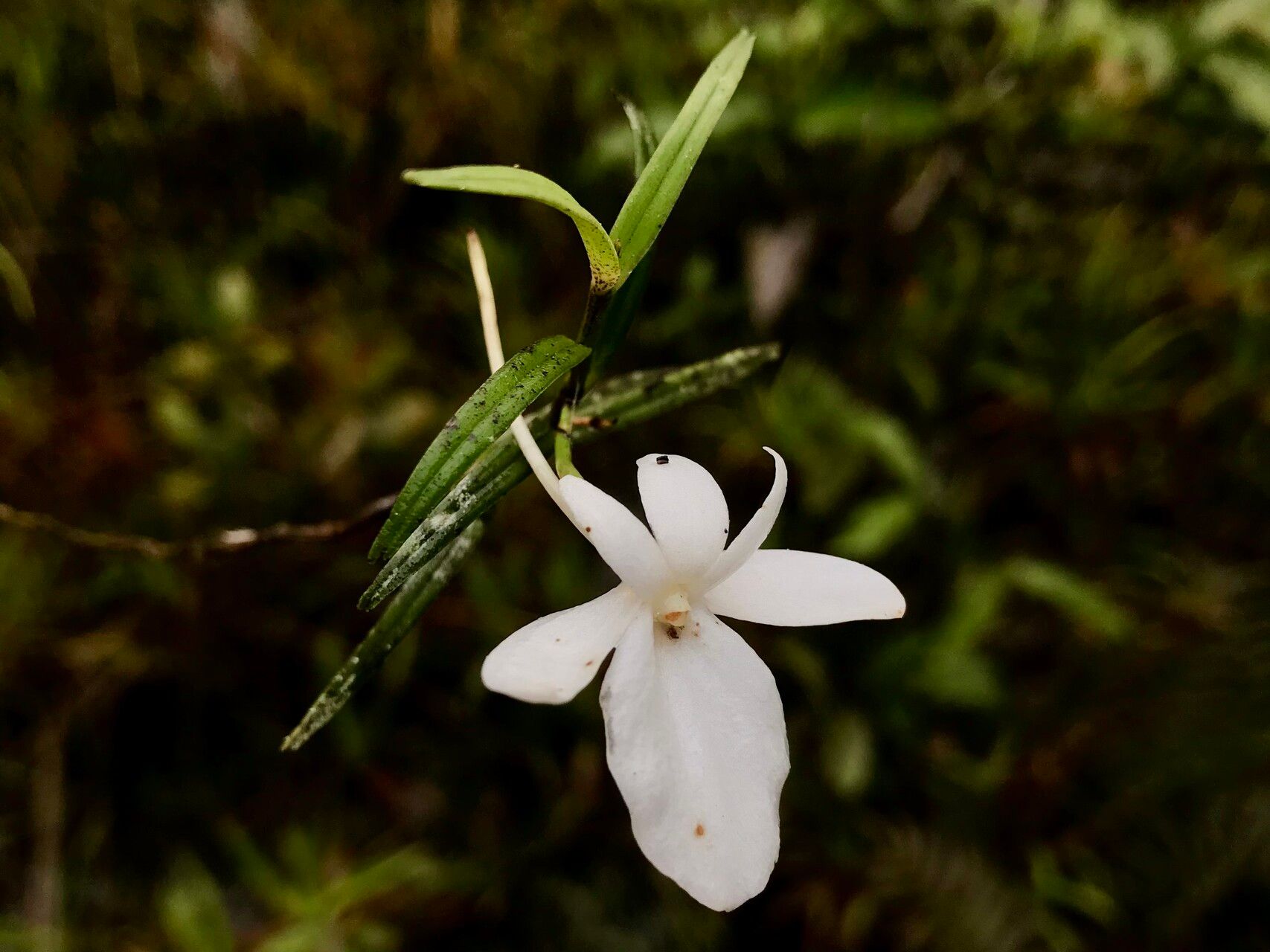
Unveiling the Secrets of Angraecum danguyanum Propagation: A Guide for Orchid Enthusiasts
The Angraecum danguyanum, a stunning orchid with delicate white flowers and a heavenly fragrance, has captivated plant lovers around the world. While its beauty is undisputed, the thought of multiplying this exquisite species can be daunting. But fear not! Propagation of this orchid, while requiring patience and specialized techniques, is achievable for dedicated enthusiasts.
Understanding the Challenges:
Propagating Angraecum danguyanum differs significantly from the more common methods used for terrestrial orchids. This epiphytic species, native to Madagascar, thrives in the humid air and specialized conditions of its natural habitat. Its seeds, incredibly small and lacking any endosperm (nutrient reserves), require a symbiotic relationship with specific mycorrhizal fungi for germination. This makes traditional seed sowing extremely challenging.
The Power of Mericlones:
The most reliable method for propagation is through tissue culture, commonly referred to as meristematic propagation. This technique involves cultivating plantlets from small pieces of tissue taken from the mother plant. In a sterile environment, these tissues are nurtured on a nutrient-rich medium containing specialized hormones, promoting the growth of new plants.
The Benefits of Tissue Culture:
- Rapid multiplication: Tissue culture allows for the creation of numerous identical Angraecum danguyanum plants from a single source within a relatively short time.
- Disease-free offspring: Sterile laboratory conditions ensure the resulting plants are free from infections and diseases.
- Genetic uniformity: All mericlones share the same genetic makeup as the mother plant, preserving its unique characteristics and ensuring consistency.
Alternatives for the Home Propagator:
While tissue culture is highly effective, it’s generally reserved for specialized laboratories. For home cultivators, separation of keikis presents a more achievable option. Keikis are small plantlets that develop from the flower stalk or even the base of the mother plant.
Patience is Key:
- Keiki development: The formation of keikis can take months, even years, and requires ideal growing conditions, including high humidity and consistent temperature.
- Separation: Once keikis are established with a healthy root system, gently detach them from the mother plant with a sharp, sterile tool.
- Planting: Place the keiki in a small pot with a well-draining orchid media. Water regularly, creating a humidity dome to aid in root establishment.
Important Considerations:
- Sterility: Both tissue culture and keiki separation necessitate maintaining a sterile environment to prevent contamination and disease.
- Humidity: Angraecum danguyanum thrives in high humidity. Mimic its natural environment by misting the plant regularly or placing it in a humidifying system.
- Light: Bright, indirect light is essential for healthy growth and flowering.
The Joy of Propagation:
Propagating Angraecum danguyanum, although demanding, can be immensely rewarding. It allows you to share the wonder of this exquisite orchid with fellow enthusiasts or simply expand your own collection. With dedication, the right techniques, and patience, you can witness the magic of this orchid come to life, one new plantlet at a time.