
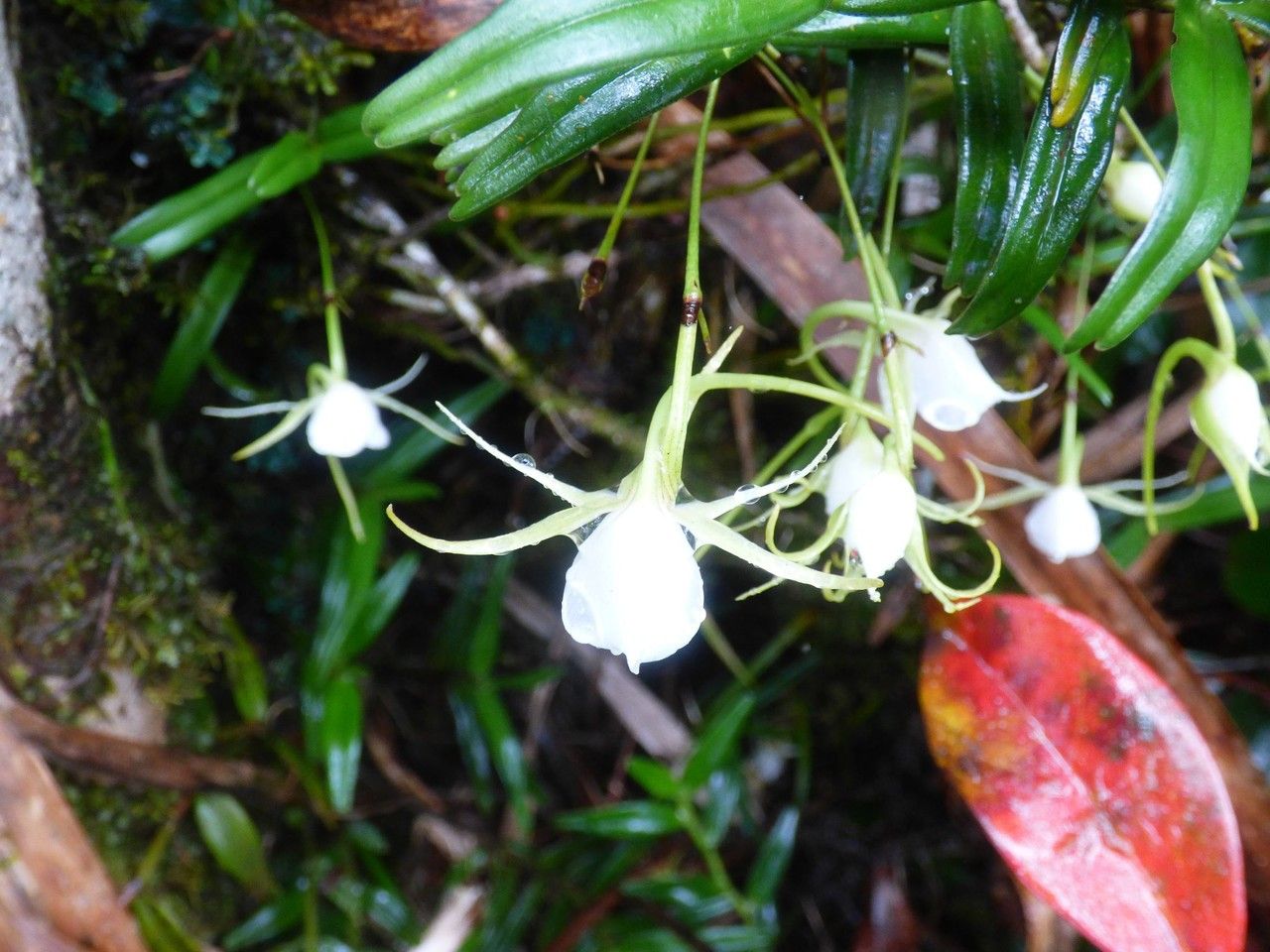
Propagating Angraecum expansum: A Challenge Worth Embracing
Angraecum expansum, also known as the "Giant Angraecum," is a captivating orchid species prized for its large, exquisitely fragrant, white flowers and impressive size. Its popularity among orchid enthusiasts stems from its unique beauty and the challenge it presents in cultivation. Propagating this majestic orchid, however, requires patience, precision, and a deep understanding of its specific needs. Unlike some readily propagated orchids, Angraecum expansum presents unique hurdles in each propagation method.
Seed Germination:
Currently, there are no known reliable methods for seed germination propagation of Angraecum expansum. The minute seeds require a highly specialized symbiotic relationship with mycorrhizal fungi for successful germination, a relationship difficult to replicate in a home or even a professional laboratory setting. While research continues to explore orchid seed germination techniques, reliable seed germination for this species remains elusive.
Cuttings:
Cuttings are not a viable method for propagating Angraecum expansum. Unlike some orchids which can be propagated from stem cuttings, Angraecum expansum does not readily produce adventitious roots or shoots from stem sections. Attempts at propagation via cuttings typically result in the death of the cutting.
Division:
Division is the most successful method for propagating Angraecum expansum. This involves carefully separating mature plants into smaller divisions, each containing a sufficient number of healthy roots and shoots.
- Challenges: The main challenge lies in carefully dividing the root system without damaging the delicate roots, resulting in a high risk of plant loss. Mature plants are often deeply rooted and intertwined.
- Practical Tips: Division should only be attempted on established, vigorously growing plants. Use sharp, sterilized tools and carefully remove the plant from its pot to assess the root system. Aim for divisions with at least three or four healthy pseudobulbs and a significant root mass. Repot each division into a well-draining orchid mix and provide high humidity and consistent warmth.
- Rewards: Division provides a relatively high success rate compared to other methods, allowing for the increase of existing plants without needing specialized equipment or skills.
Tissue Culture:
Tissue culture offers the most promising, albeit complex, method for large-scale propagation of Angraecum expansum.
- Challenges: Establishing a sterile environment and mastering the complexities of orchid tissue culture protocols requires specialized equipment, considerable expertise, and significant investment. Contamination is a constant threat. The process is time-consuming and requires precise control of nutrient levels, temperature, and light.
- Practical Tips: This method is best left to experienced orchid tissue culturists or specialized laboratories. Success depends on utilizing appropriate growth media, sterile techniques, and optimal environmental conditions.
- Rewards: Tissue culture offers the potential for large-scale propagation, preserving genetic diversity, and offering disease-free plants.
Conclusion:
Propagating Angraecum expansum presents significant challenges across all methods. While division offers the most accessible option for the home enthusiast, it still requires careful execution to avoid damaging the plant. Tissue culture, though more complex, offers the greatest potential for large-scale propagation, but requires significant expertise and resources. Understanding the limitations and mastering the techniques of the chosen method is crucial for success. The unique satisfaction of successfully propagating this magnificent orchid, however, far outweighs the difficulties involved, providing a profound sense of accomplishment that only true orchid growers can appreciate. For aspiring propagators, it is recommended to build experience with easier-to-propagate orchid species before tackling the challenges posed by Angraecum expansum. The reward for patience and perseverance is the exquisite beauty and lasting legacy of these magnificent plants.