
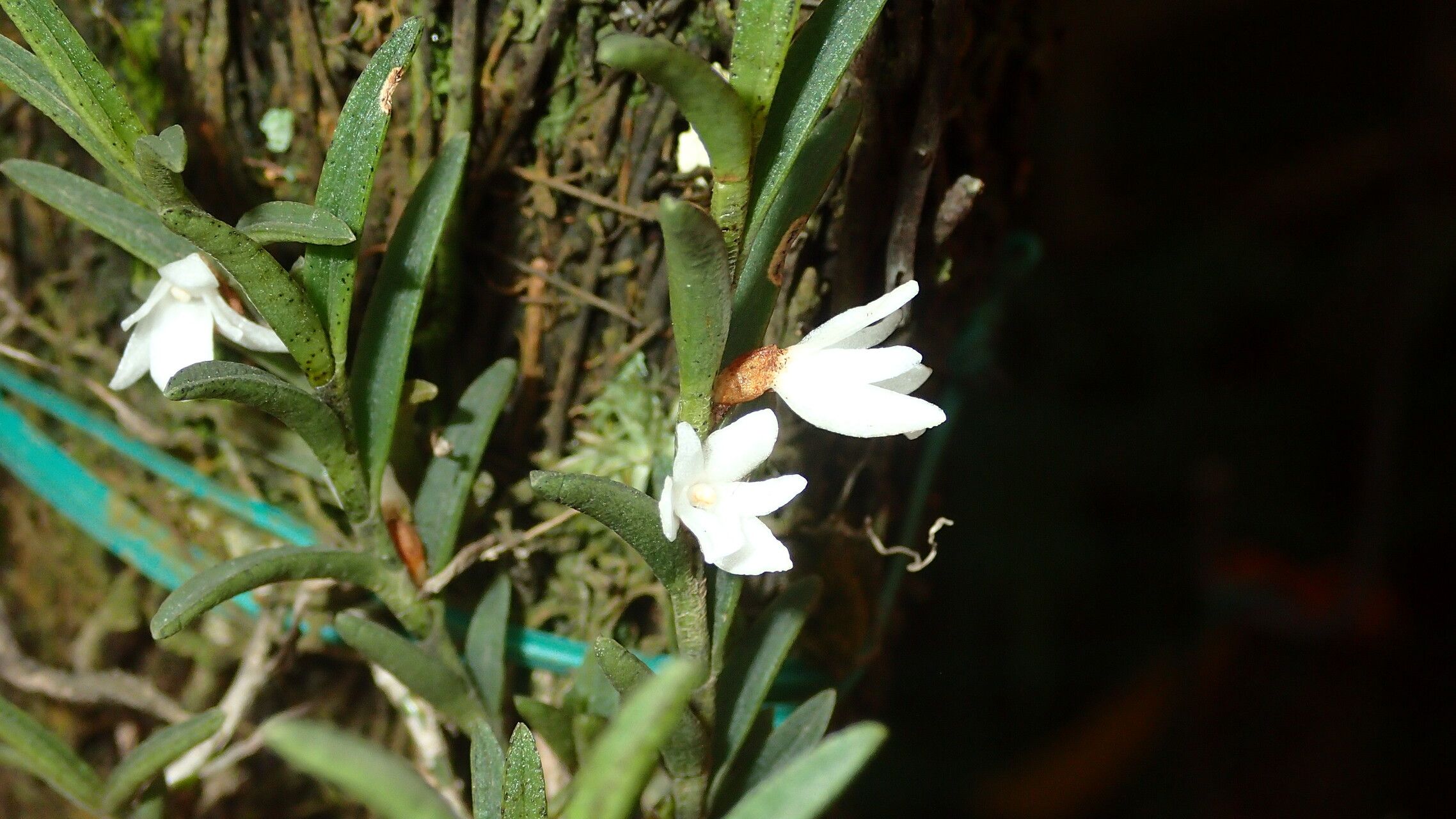
Propagating Angraecum humblotianum: A Gardener’s Challenge
Angraecum humblotianum, also known as the Humblot’s Angraecum, is a highly prized orchid species among collectors and enthusiasts. This epiphyte, native to Madagascar, captivates with its elegant, star-shaped, pure white flowers exhibiting a long, slender spur. Its rarity and the challenge of cultivation contribute to its popularity, making successful propagation a significant accomplishment. However, propagating this species presents unique obstacles regardless of the chosen method.
Seed Germination:
Currently, there are no known reliable methods for seed germination propagation of Angraecum humblotianum. The seeds of this orchid, like many others, are dust-like and lack endosperm, requiring a symbiotic relationship with specific mycorrhizal fungi for successful germination. Establishing this symbiotic relationship in a controlled horticultural setting is extremely difficult and largely remains an area of ongoing research. While some success might be achievable in highly specialized laboratories with mycological expertise, it’s currently not a viable option for the average home gardener.
Cuttings:
Cuttings are not a suitable method for propagating Angraecum humblotianum. Unlike some orchids that can regenerate from stem cuttings, this species does not readily form roots or shoots from cut sections. Attempts at propagation via cuttings will almost certainly fail.
Division:
Division is the most practical method for propagating Angraecum humblotianum, but it is still challenging and involves significant risks. This method involves carefully separating established mature plants into smaller divisions, each containing sufficient roots and shoots.
Challenges: The plant’s delicate root system is easily damaged during division, leading to high rates of mortality. Care must be taken to avoid disturbing the roots more than absolutely necessary. Furthermore, successful division requires a well-established, healthy mother plant with a robust root system capable of supporting the separation.
Practical Tips: Sharp, sterilized tools are crucial to minimize damage. Each division should possess several healthy pseudobulbs and a substantial root mass. Repotting should be done using a well-draining orchid mix keeping the plant in a humid environment.
Rewards: Division offers the fastest and most reliable method for obtaining new plants, particularly for experienced growers. It maintains the genetic integrity of the parent plant, unlike seed propagation.
Tissue Culture:
Tissue culture offers the most promising, although technically demanding, method for propagating Angraecum humblotianum. It involves growing plant tissues in a sterile laboratory environment, using specific nutrients and hormones to stimulate growth.
Challenges: This method requires specialized equipment, aseptic techniques, and a comprehensive understanding of orchid tissue culture protocols. Contamination is a major hurdle, easily leading to the loss of entire cultures. Establishing the optimal growth medium and hormonal balance can also be a lengthy process through trial and error.
Practical Tips: Successfully propagating Angraecum humblotianum via tissue culture necessitates expert knowledge and access to a fully equipped laboratory.
Rewards: Tissue culture allows for large-scale propagation, bypassing the limitations of division. It offers a potential for disease-free plantlets and provides opportunities for genetic conservation and research.
Conclusion:
Propagating Angraecum humblotianum presents significant challenges across all common methods. While division offers the simplest approach for experienced growers, its success relies heavily on minimizing root damage. Seed germination and cutting propagation are currently not viable. Tissue culture holds the potential for mass propagation but requires specialized skills and resources. The rewards—whether a successfully divided plant or a flask full of thriving tissue-cultured plantlets—are significant. The considerable effort expended reflects the unique beauty and rarity of this orchid, making its successful cultivation all the more rewarding for the dedicated horticulturist. For aspiring propagators, patience, meticulous attention to detail, and a willingness to learn from mistakes are crucial for success. Remember that the journey itself, with its challenges and eventual successes, is a testament to the passion for this exquisite orchid.