
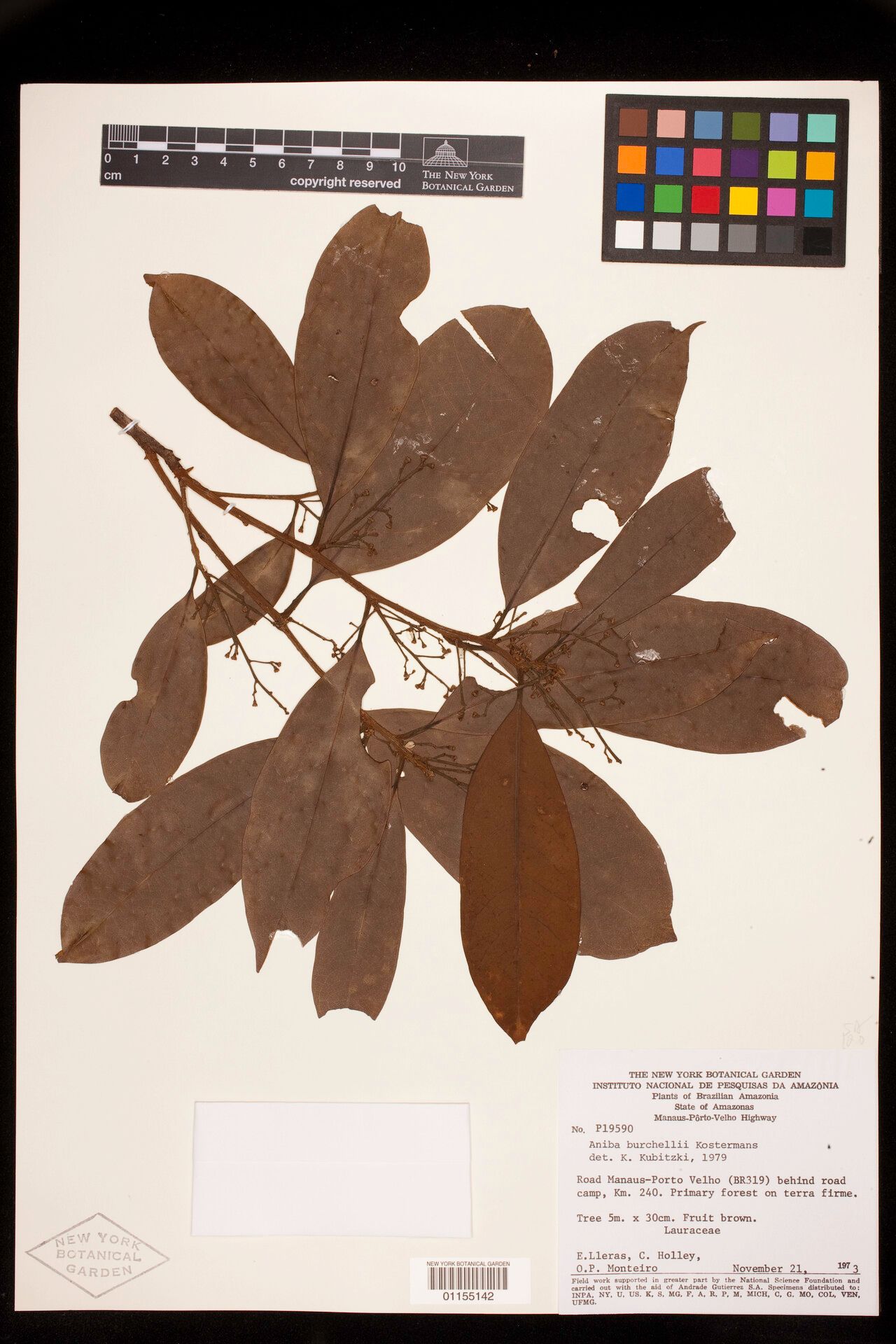
Propagating Aniba burchellii: A Guide to Cultivating the Brazilian Aniba
Aniba burchellii, also known as the Brazilian Aniba (though common names may vary regionally), is a captivating tree prized for its aromatic leaves and potential medicinal properties. Its ornamental value, coupled with its ecological significance, has made it increasingly popular among gardeners and conservationists alike. However, propagating Aniba burchellii presents unique challenges, making its successful cultivation a rewarding experience for dedicated plant enthusiasts.
Seed Germination:
Currently, there are no known reliable methods for seed germination propagation of Aniba burchellii. While seeds may be produced, their viability and germination rates are reported to be extremely low, possibly due to factors such as dormancy mechanisms or specific environmental requirements that haven’t yet been identified. Further research is needed to determine if seed germination is a feasible method for large-scale propagation of this species.
Cuttings:
Propagating Aniba burchellii from cuttings presents a more promising avenue, though it still presents significant challenges.
Challenges: Aniba burchellii cuttings are notoriously slow and difficult to root. The woody nature of the stems makes them resistant to rooting hormones, and the susceptibility to fungal infections can lead to high mortality rates. Finding the optimal time of year for taking cuttings is also critical.
Practical Tips: Semi-hardwood cuttings taken in late summer or early autumn, using a sharp, clean blade to avoid damaging the tissue, offer the best chance of success. The use of rooting hormones (such as IBA) and a high-humidity environment (e.g., propagation chamber or humidity dome) is strongly recommended. A well-draining substrate, like a perlite and vermiculite mix, is crucial to prevent rotting. Consistent bottom heat can accelerate the rooting process.
- Rewards: Successfully rooting cuttings allows for the clonal propagation of desirable traits from a parent plant. This method is more reliable and efficient than seed germination, potentially allowing for faster propagation of selected individuals.
Division:
Division is not a viable method for propagating Aniba burchellii. This tree has a deep taproot system, making it impossible to divide mature plants without significant damage.
Tissue Culture:
Tissue culture offers a potential solution for large-scale and rapid propagation of Aniba burchellii.
Challenges: Establishing sterile cultures and finding the optimal growth media and hormonal balance for shoot multiplication and rooting can be complex and require specialized expertise. The cost of setting up and maintaining a tissue culture laboratory can also be prohibitive.
Practical Tips: Researching existing protocols for related species within the Lauraceae family may provide valuable insights into suitable media formulations and growth conditions. Aseptic techniques are crucial to prevent contamination.
- Rewards: Tissue culture allows for the rapid multiplication of superior genotypes and the production of disease-free plantlets, which is essential for conservation and commercial purposes. This method offers the best opportunity for large-scale propagation.
Conclusion:
Propagating Aniba burchellii presents significant challenges across all methods. Successfully establishing plants from cuttings requires patience, careful attention to detail, and a degree of horticultural expertise. While seed germination currently isn’t viable and division is impossible, tissue culture offers the most promising path for large-scale propagation, but this requires specialized knowledge and resources.
The unique satisfaction in cultivating this remarkable tree comes from overcoming these hurdles. The dedication required to successfully propagate Aniba burchellii is ultimately rewarded with a healthy, thriving plant, contributing to the conservation of this species and providing the gardener with a tangible connection to nature. Aspiring propagators should not be discouraged by the initial difficulties; patience, persistence, and a willingness to learn are essential keys to success. Consider starting with cuttings and exploring tissue culture possibilities as resources become available.