
From Seed to Spice: Propagating the Aromatic Aniba terminalis
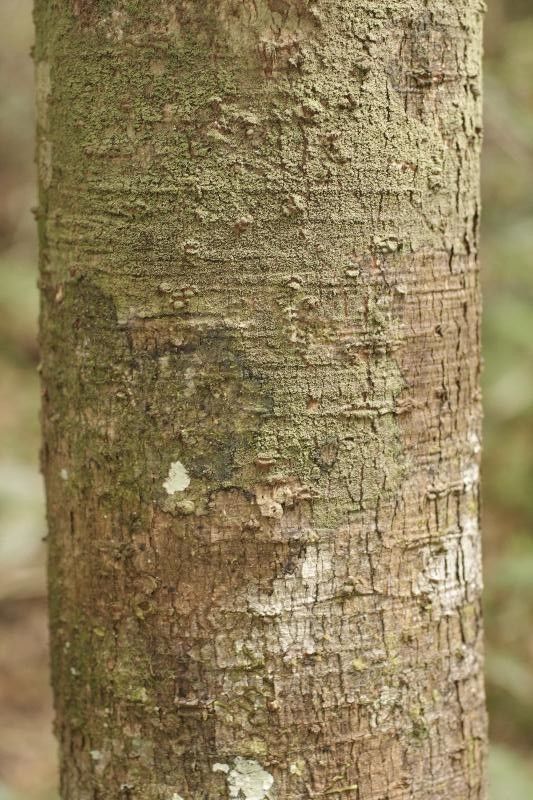
Aniba terminalis, also known as Amazonian cinnamon or cassia is a fascinating tree species native to the Amazon rainforest. Beyond its beautiful foliage and medicinal properties, it’s prized for its aromatic bark, which is used as a spice and a fragrant ingredient in soaps, perfumes, and incense. While procuring mature Aniba terminalis bark can be challenging due to its endangered status, propagation is a rewarding way to grow your own unique spice haven and contribute to its conservation.
Understanding Aniba terminalis propagation:
Aniba terminalis can be propagated through both seeds and cuttings, each with its own set of advantages and challenges:
1. Seed Propagation:
Advantages:
- Seeds are readily available from mature trees and relatively easy to obtain.
- Provides a larger genetic diversity, promoting resilience in your offspring.
- Can be a more cost-effective method.
- Challenges:
- Seeds are short-lived and require fresh planting for optimal germination rates.
- Germination can be inconsistent and slow, sometimes taking several months.
- Seedlings may be susceptible to diseases and pests in their early life.
2. Cutting Propagation:
Advantages:
- Faster establishment than seed propagation, producing mature trees quicker.
- Preserves the specific traits of the parent plant, ensuring consistency in your plantation.
- Allows you to propagate specific and desirable cultivars.
- Challenges:
- Requires more expertise and specialized techniques.
- Rooted cuttings may be less tolerant of environmental stress and require careful nurturing.
- Requires access to mature and healthy parent plants for cutting material.
Steps to Propagate Aniba terminalis from Seed:
- Collect Fresh Seeds: Obtain seeds from mature Aniba terminalis trees. Make sure they are viable and free from pests or diseases.
- Soak and Prep: Soak the seeds in water for 24 hours to soften the outer shell and improve germination.
- Sowing: Use a well-draining seedling mix and sow the seeds shallowly, about 1/2 inch deep.
- Maintain Moisture: Keep the soil consistently moist but not waterlogged.
- Light and Temperature: Ensure adequate sunlight and temperatures between 70–80°F for optimal germination.
- Protect from pests and diseases: Monitor seedlings regularly for any signs of illness or infestation.
Steps to Propagate Aniba terminalis from Cuttings:
- Choose Healthy Cuttings: Select semi-hardwood cuttings from healthy, vigorous branches. These should be around 6-8 inches long with at least 3 nodes.
- Prepare Cuttings: Remove leaves from the lower two nodes and apply a rooting hormone to the cut end.
- Propagation Medium: Use a mix of perlite and vermiculite or a specialized rooting medium.
- Plant Cuttings: Insert the cuttings into the medium, ensuring at least two nodes are buried.
- Maintain Humidity and Temperature: Keep the cuttings in a humid environment with temperatures around 70-80°F.
Monitor and Care: Regularly check for signs of rooting and ensure consistent moisture and light.
Important Considerations:
- Legal Requirements: Aniba terminalis is an endangered plant species; ensure you understand and comply with local and national regulations before propagating this species.
- Environmental Impact: Sustainable practices are crucial. Consider the environmental impact of your actions and ensure your propagation doesn’t threaten the wild population.
Growing Your Own Aniba terminalis:
By understanding the different propagation methods, you can cultivate your own Amazonian cinnamon and contribute to the conservation and sustainability of this valuable plant. Remember to be patient, attentive, and respect the delicate ecosystem from which it originates. Growing your own Aniba terminalis is a journey that rewards you with the unique aroma and rich history of this incredible species.